
U.S. authorities have disrupted a major narcotics operation in California, seizing “significant quantities” of fentanyl and cocaine, according to the Department of the Interior (DOI).
A joint, multi-day operation involving DOI officers and local, state, and federal partners led to the seizure of roughly 5.5 pounds of fentanyl, 6 ounces of cocaine, more than 15,000 counterfeit fentanyl pills, and likely more than $100,000 in bulk currency, the department said in a July 13 statement. The powdered fentanyl is enough to create more than 1.2 million potentially fatal doses.
In March, investigative efforts by a special agent from the Bureau of Land Management and a ranger found instances of fentanyl distribution on public lands. Investigators eventually identified a supply source in California’s northern region.
Last week, multiple agencies, including the California Department of Justice and the Drug Enforcement Administration, worked together in the joint operation.
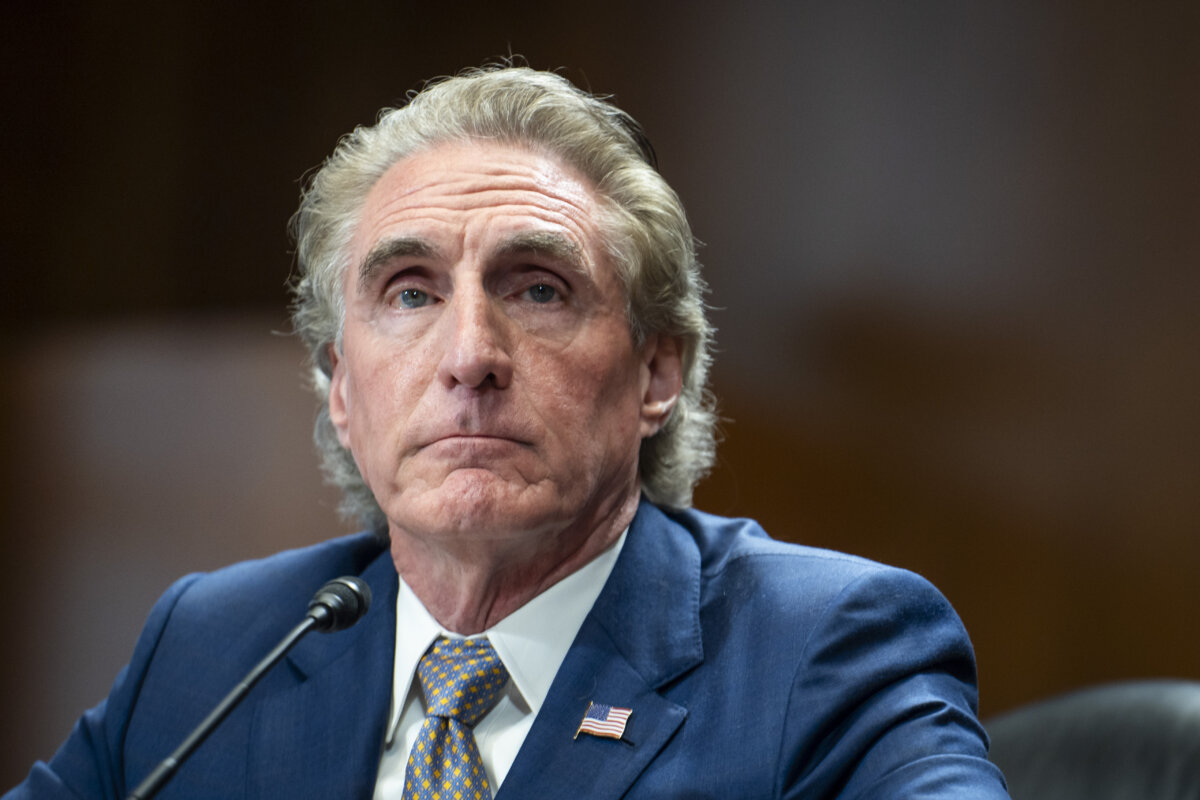
“The Trump administration will not tolerate criminal organizations exploiting our nation’s public lands to traffic deadly narcotics,” Interior Secretary Doug Burgum said in a statement.
“This successful operation is a testament to the unwavering dedication of our law enforcement officers and our partners across all levels of government who are working tirelessly to eradicate the fentanyl crisis and keep our communities safe.”
The DOI stated that it supports the Trump administration’s efforts to combat illicit fentanyl trafficking through coordinated enforcement operations.
In December 2025, President Donald Trump signed an executive order designating fentanyl as a weapon of mass destruction.
“The potential for fentanyl to be weaponized for concentrated, large-scale terror attacks by organized adversaries is a serious threat to the United States,” the order reads.
It directed cabinet secretaries and agencies to “eliminate the threat of illicit fentanyl and its core precursor chemicals to the United States,” including by using the full force of the federal government to tackle the fentanyl crisis.
The Trump administration has faced criticism from Democrats over the ongoing influx of illicit opioids. Opioids are a class of drugs that includes fentanyl and morphine. During a June 4 House hearing, Rep. Gabe Amo (D-R.I.) alleged that the administration failed to gain the cooperation of China in countering the opioid crisis.
China remains a “major source” of precursor chemicals fueling the synthetic drug epidemic in the United States. While progress has been made in disrupting drug supply chains, traffickers are adapting faster than governments, according to the lawmaker, and new opioid drugs entering the market are 10 times more potent than fentanyl.
“The Trump–Xi summit in Beijing last month was an opportunity for the president to make progress. But we haven’t seen any changes or updates on this urgent matter,” Amo said.
Trump had met with Chinese leader Xi Jinping in May. According to a statement published by the White House in an X post on May 14, during the meeting, Trump highlighted “the need to build on progress in ending the flow of fentanyl precursors into the United States.”
Countering Fentanyl Influx
In November 2025, FBI Director Kash Patel said during a press briefing that on a recent trip to China, Chinese officials agreed to take significant steps to curb fentanyl precursor exports to the United States.
In the same month, the Chinese Ministry of Commerce announced restrictions on the export of 13 fentanyl precursor chemicals to the United States, Mexico, and Canada.
In a July 13 statement, the White House stated that the Trump administration was successfully dismantling fentanyl networks and saving American lives.
Drug overdose deaths involving synthetic opioids fell to 38,084 in 2025 from an estimated 48,913 in 2024, a decline of about 22 percent in a single year, the White House stated, citing data from the Centers for Disease Control and Prevention.
Trump has also designated major cartels and drug traffickers, such as Tren de Aragua and MS-13, as terror organizations, thus unlocking “powerful sanctions, asset seizures, and enhanced prosecutorial tools” that can be used to dismantle the operations of these criminal groups.
“Thanks to the Trump Administration’s relentless, multi-front campaign—securing the border, targeting transnational gangs, and applying maximum pressure on foreign suppliers and narcoterrorists—fentanyl deaths have collapsed and continue falling sharply,” the White House stated.
 Friends Read Free
Copy
Facebook
Tweet
Friends Read Free
Copy
Facebook
Tweet