
The Department of Transportation (DOT) will grant Alabama a loan of up to $2.52 billion for a bridge project connecting two counties in southern Alabama, expected to ease traffic congestion in the region.
The loan will be used for the Mobile River Bridge and Bayway Project, which aims to build a new six-lane bridge over the Mobile River between Mobile and Baldwin counties in Alabama. This will be the largest infrastructure project in the state’s history, the DOT said in a Sept. 18 statement.
The six-lane bridge will bypass the aging George Wallace Tunnel system, which is used to travel between the counties. The project also aims to make changes to the Bayway parallel bridges connecting Baldwin and Mobile.
The tunnel and the Bayway are part of the Interstate 10 highway. Upon completion, the project is expected to improve traffic flow in Mobile and Baldwin counties, cut travel times by up to 30 minutes along Interstate 10, eliminate major interstate bottlenecks, and boost access to the Port of Mobile.
According to the DOT, hundreds of trucks have been forced to detour through downtown Mobile and other neighborhoods due to a prohibition of hazardous materials transport through the George Wallace Tunnel. Once the project is completed, these trucks can access a direct interstate route, thereby removing hazmat-carrying trucks from traveling through city streets.
The $2.52 billion loan for the project will come from the Build America Bureau, which supports transportation infrastructure development projects in the country.
The bureau was established in 2016 and addresses the permitting, financial, and procedural barriers to infrastructure development. The agency has so far awarded around $52 billion in assistance.
The Alabama Department of Transportation will oversee the construction and management of the project, the DOT said, with the funds awarded to the Alabama Toll Road, Bridge, and Tunnel Authority.
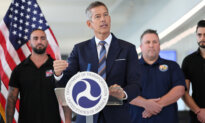
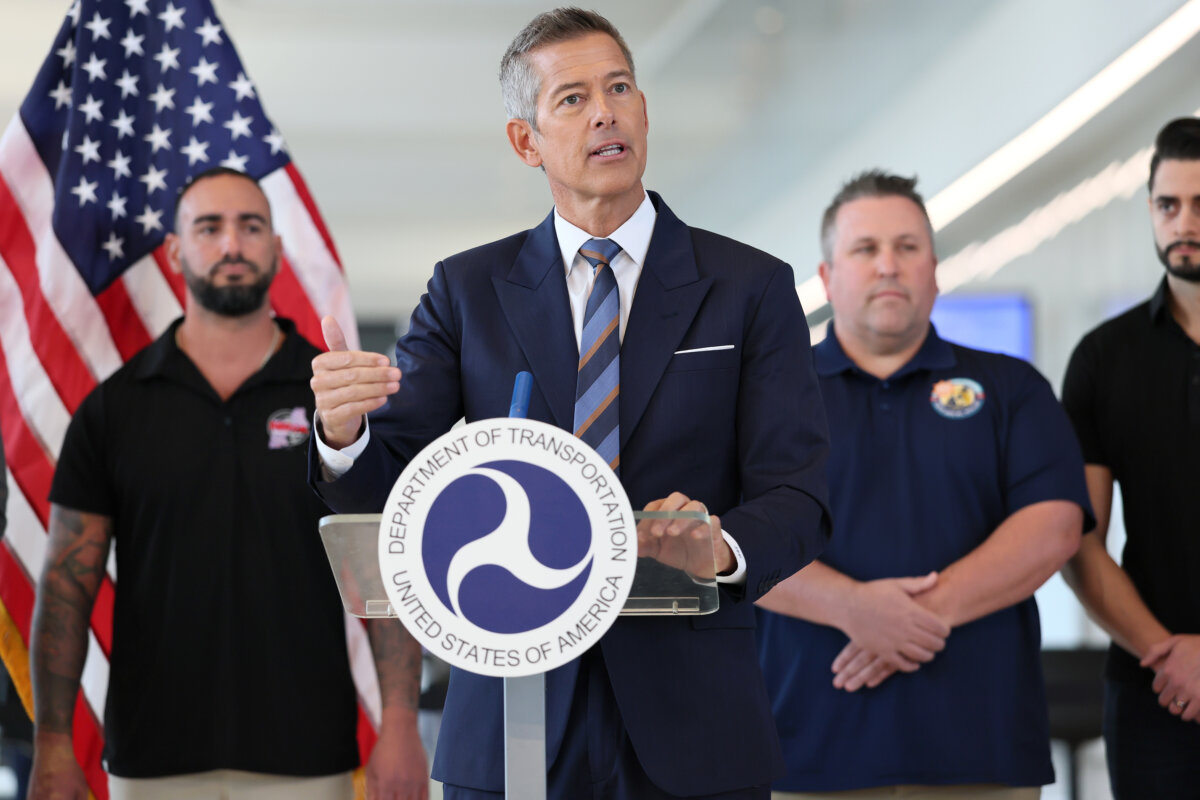
“After decades of delay, this historic investment into Alabama is yet another example of how President Trump is delivering big, beautiful infrastructure projects that will transform communities for the better,” Transportation Secretary Sean P. Duffy said in the statement.
“The Mobile River Bridge and Byway project will ease traffic congestion, boost the flow of freight, and enhance safety for drivers.”
Tackling US Road Congestion
A November 2025 report revealed that travelers nationwide spent three hours and 23 minutes in traffic congestion each day in 2024, up by 38 minutes from the previous year. The data is based on congestion in 52 of the largest Metropolitan Statistical Areas (MSAs) housing 1 million or more people.
“Across the country, 92 percent of the MSAs had worse conditions in 2024 than in 2023 across all three congestion measures,” the report said.
The recent loan for the Alabama project is part of a wider campaign by the DOT to eliminate traffic bottlenecks in the United States, the agency said in a recent statement.
On April 20, DOT announced, in a statement, an initiative to tackle congestion corridors across the country. The department highlighted that the United States was home to 10 of the 25 most congested cities in the world.
“Gridlock and congestion have no place in the Golden Age of Transportation,” Federal Highway Administration administrator Sean McMaster said in the statement.
“The Trump Administration is calling on every Governor to join us in clearing the bottlenecks and cutting waste to save Americans both time and money. We want local solutions that serve all road users, instead of federal bureaucrats favoring one mode of travel over another,” McMaster said.
Last month, the DOT also announced a strategy that seeks to minimize traffic injuries and fatalities on American roadways. One of the strategy’s priority objectives is to ensure safer roads by implementing more innovative road designs and cracking down on dangerous drivers.
 Friends Read Free
Copy
Facebook
Tweet
Friends Read Free
Copy
Facebook
Tweet