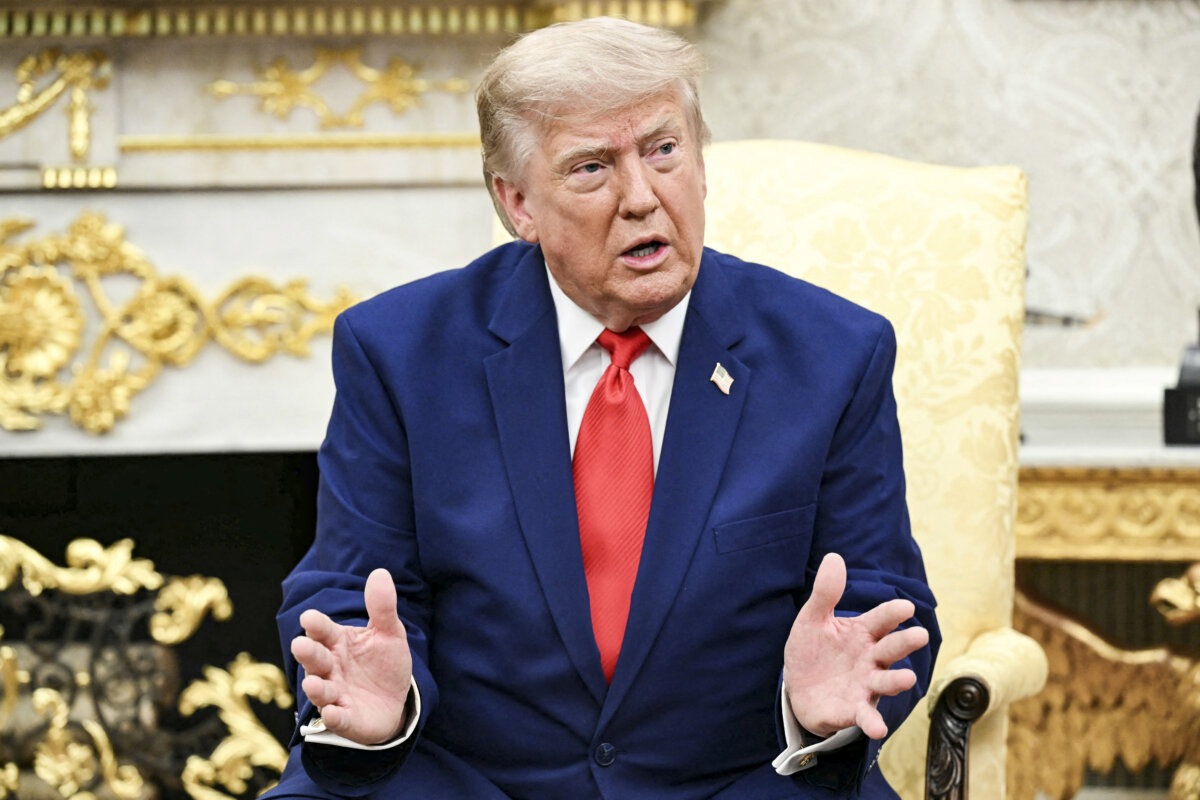

U.S. President Donald Trump says he is in negotiations to buy potash from Belarus at a lower price than what America currently pays for Canadian imports.
“The United States is working on a massive Deal with respect to the purchase of Potash from Belarus,” Trump wrote in a post on Truth Social. “The pricing would be for substantially less than we are currently paying to Canada, very good news for our Farmers and Ranchers.”
The potential deal could challenge Canada’s dominant position in the U.S. potash market, although details of the proposed agreement have not been released.
The United States relies heavily on Canadian potash imports for agricultural fertilizer. Any shift toward Belarusian supplies could have implications for Saskatchewan, where Canada’s potash industry is concentrated and which supplies a large share of the U.S. market.
Canada was the world’s largest potash producer in 2024, accounting for 32.8 percent of global production, ahead of Russia and Belarus, according to federal government data.
Saskatchewan is home to Canada’s potash reserves, estimated at 1.1 billion tonnes. Potash is among the province’s leading natural resource exports, and Saskatchewan has consistently supplied more than 80 percent of the potash imported by the United States.
Trump’s announcement follows Washington’s recent decision to ease restrictions on Russia-aligned Belarus, a move that came in exchange for the nation freeing 25 political prisoners.
Trump’s shift to Belarus potash comes as Prime Minister Mark Carney seeks to forge closer ties with the European Union (EU) and China in a bid to reduce Canada’s reliance on the United States.
Relations between Ottawa and Washington have been strained since Washington first imposed tariffs on Canada early last year, and tensions intensified last month after trade talks broke down following weeks of negotiations toward a potential deal. Carney suspended the talks on Aug. 21, saying last-minute U.S. terms were unacceptable, and imposed counter-tariffs on the United States.
U.S. officials have disputed Ottawa’s characterization of why the negotiations broke down, saying it was Canada that walked back from commitments at the last minute. The two countries have yet to renew formal talks toward a trade agreement.
This is a developing story, updates will follow.
 Friends Read Free
Copy
Facebook
Tweet
Friends Read Free
Copy
Facebook
Tweet