
The Department of Energy issued emergency orders for the nation’s largest electric grid operator, PJM Interconnection, and an order that allows for the deployment of backup generation assets in Texas due to a winter storm pummeling the East Coast.
The agency on Sunday issued two separate orders for Texas and for PJM to mitigate possible blackouts caused by the storm.
“As Winter Storm Fern brings extreme cold and dangerous conditions to the Mid-Atlantic, maintaining affordable, reliable, and secure power in the PJM region is non-negotiable,” Secretary of Energy Chris Wright said in a statement. “The previous administration’s energy subtraction policies weakened the grid, leaving Americans more vulnerable during events like Winter Storm Fern.”
In another statement, Wright said that his office “will continue taking action to ensure that the 35 [gigawatts] of untapped backup generation that exists across the country can be deployed as needed during Winter Storm Fern and in the future.”
The orders will help both PJM and the state of Texas deal with storm damage and low temperatures.
The PJM order is in effect from Jan. 24 to Jan. 27, while the Texas one lasts from Jan. 25 to Jan. 31.
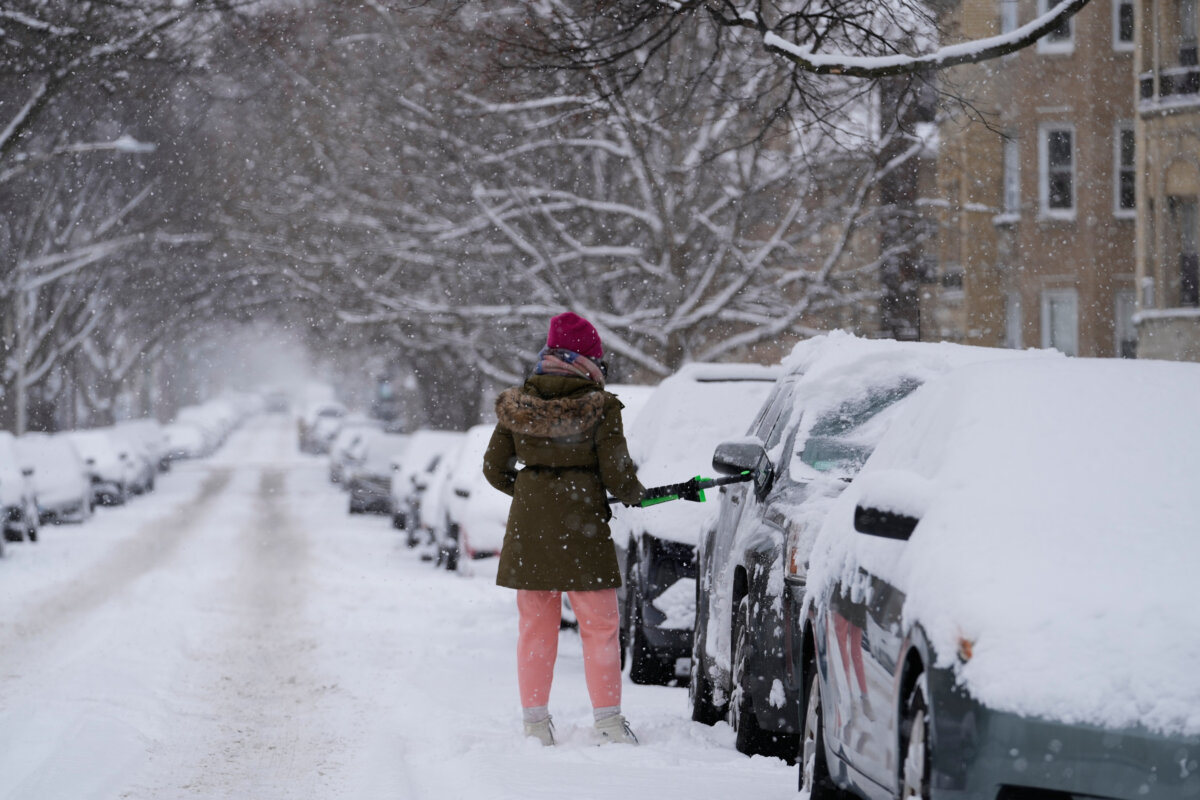
Maps released by the National Weather Service suggest that around 200 million people faced some form of impact from the storm, which spread ice, snow, and sleet from Texas to the Carolinas to the Northeast.
According to power outage monitoring firm PowerOutage.us, around 1 million customers are without power, with the highest number of outages occurring in Tennessee and Mississippi. More than 10,000 flights have been canceled across the country, according to tracking website FlightAware.com.
The National Weather Service’s latest forecast for Sunday through Monday morning had called for heavy snow from the Ohio Valley to the Northeast, including up to 18 inches in New England. Much of the Southeast and parts of the Mid-Atlantic were expected to get rain and freezing rain.
Forecasters predicted “bitterly cold temperatures and dangerously cold wind chills” from the southern plains to the Northeast in the wake of the storm, bringing “prolonged hazardous travel and infrastructure impacts.”
On Jan. 24, President Donald Trump approved federal emergency disaster declarations in South Carolina, Virginia, Tennessee, Georgia, North Carolina, Maryland, Arkansas, Kentucky, Louisiana, Mississippi, Indiana, and West Virginia, according to a Truth Social post.
Other U.S. electric grid operators on Saturday stepped up precautions to avoid rotating blackouts. Dominion Energy, whose Virginia operations include the largest collection of data centers in the world, said that if its ice forecast held, the winter event could be among the largest to affect the company.
Reuters contributed to this report.
 Friends Read Free
Copy
Facebook
Tweet
Friends Read Free
Copy
Facebook
Tweet