
A U.S. House Judiciary Committee report published Feb. 3 claims that the European Commission (EC) drove global online censorship by using closed-door regulatory forums and so-called voluntary codes to pressure major technology companies over their content moderation rules.
In the report, the committee, currently controlled by Republicans, accused the EC of conducting a decade-long campaign to influence global online speech in ways that infringe on the First Amendment rights of U.S. citizens.
The report, the latest in a series of congressional investigations examining foreign influence over American speech online, focuses on the European Union’s engagement with major technology platforms on content moderation.
“Put simply, the boundaries of debate on political topics like mass migration, men in women’s sports, and more are set by community guidelines,” the House Judiciary Committee said in a Feb. 3 post on X.
“When governments pressure platforms to change their community guidelines, they are changing what Americans are allowed to post in the United States or anywhere else. And they effectively must be global in scope. Country-by-country content moderation is a significant privacy threat—in addition to being ineffective and costly,” it said.
The EU rejected the allegations.
According to the report, forums such as the EU Internet Forum and related voluntary initiatives, including the Hate Speech Code and the Disinformation Code, were presented as cooperative and consensus-based, but in practice worked as coercive mechanisms that pressured companies to comply or face regulatory consequences.
The EU’s Digital Services Act (DSA) and Digital Markets Act (DMA) establish a single regulatory framework across the bloc.
The DSA focuses on content moderation, user safety, and platform accountability, while the DMA seeks to curb the market power of large platforms. Both apply to companies that operate within the EU, regardless of their location.
The report stated that pressure on platforms to comply with Europe’s “censorship demands” intensified after the DSA was signed into law in October 2022.
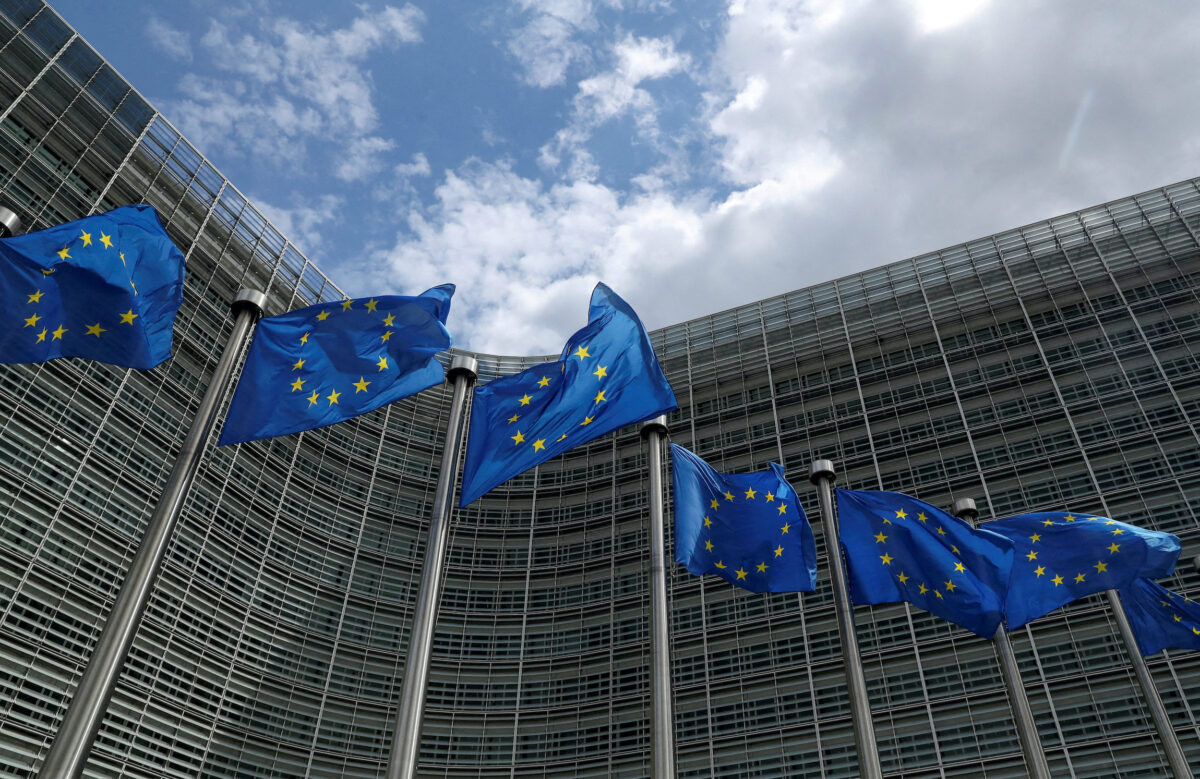
It said that the European Commission “warned platforms that they needed to change their global content moderation rules to comply with the DSA, or else risk fines up to six percent of global revenue and a possible ban from the European market.”
The report stated that these forums were publicly described as voluntary and aimed at achieving consensus through what was termed a “regulatory dialogue.”
“None of that was true,” the report said.
According to internal company communications cited in the report, technology firms understood that participation was effectively compulsory.
The report said that internal company emails “bluntly reveal” that the companies knew they “[didn’t] really have a choice” about whether to join the initiatives.
The report further alleges that European regulators exerted significant control over the process, including agenda-setting and decision-making.
Agendas, it says, were set “under (strong) impetus from the EU Commission,” and the consensus reached in these forums was achieved under “heavy pressure from the European Commission.”
As an example, the report cites internal Google correspondence.
It shared an email in which Google staff discussed internally that “we don’t really have a choice” about whether to participate in a Disinformation Code subgroup meeting.
The Judiciary Committee stated that this structure enabled European regulators to shape platform policies in ways that affected lawful political and social discourse in the United States, even though the regulations were formally European in scope.
The House Judiciary Committee said in a statement that in more than 100 closed-door meetings since at least 2020, the EC, the executive arm of the EU, “repeatedly pressured platforms to change their globally applicable content moderation rules to more aggressively censor content and directly infringe on Americans’ online speech in the United States.”
Censored subjects in the name of “combating hate speech and disinformation” included the COVID-19 pandemic, mass migration, and transgender issues, the committee said.
“The European Commission is specifically focused on censorship of U.S. content,” the committee stated in the report.
Elections
The report also claimed that Brussels may have interfered in at least eight elections in six European countries.
“Since the DSA came into force in 2023, the European Commission has pressured platforms to censor content ahead of national elections in Slovakia, the Netherlands, France, Moldova, Romania, and Ireland, in addition to the EU elections in June 2024,” the report states.
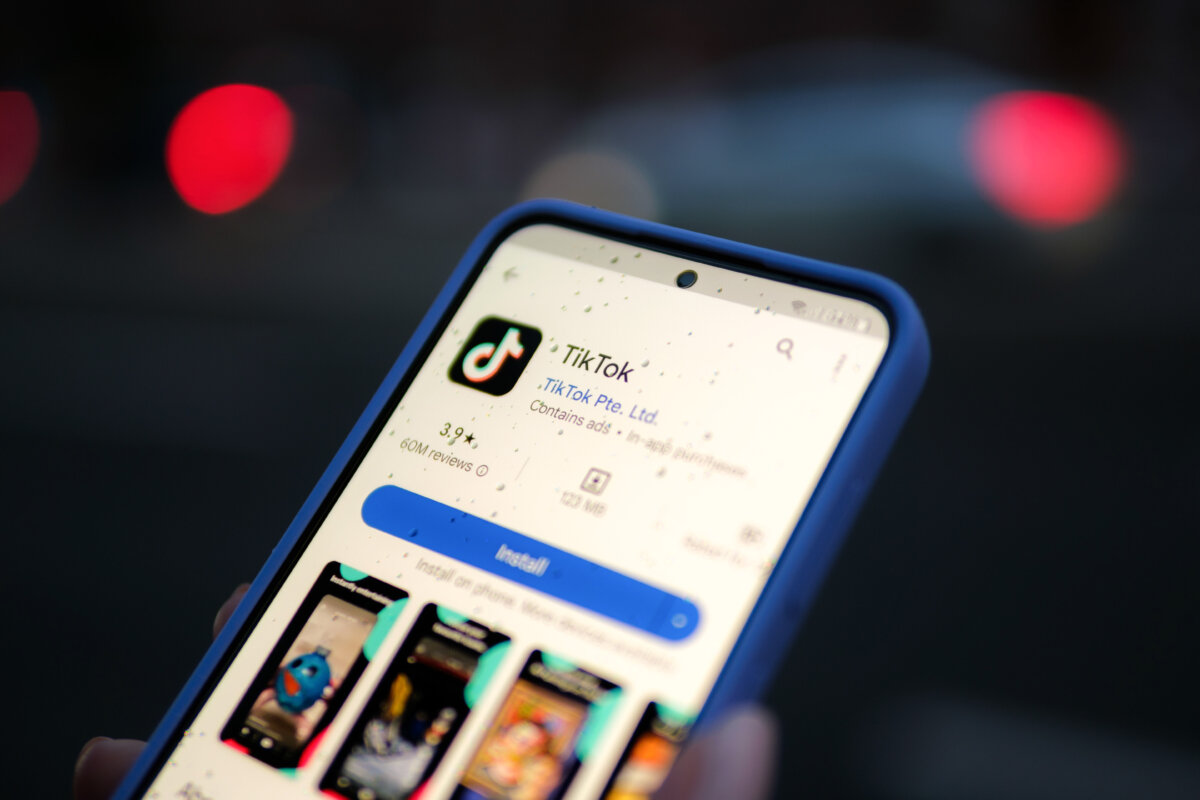
Romania’s top court annulled the presidential election first-round results of 2024, in which Calin Georgescu had won after mainly campaigning through TikTok. The EU then ordered TikTok to freeze all data related to the election, signaling an investigation.
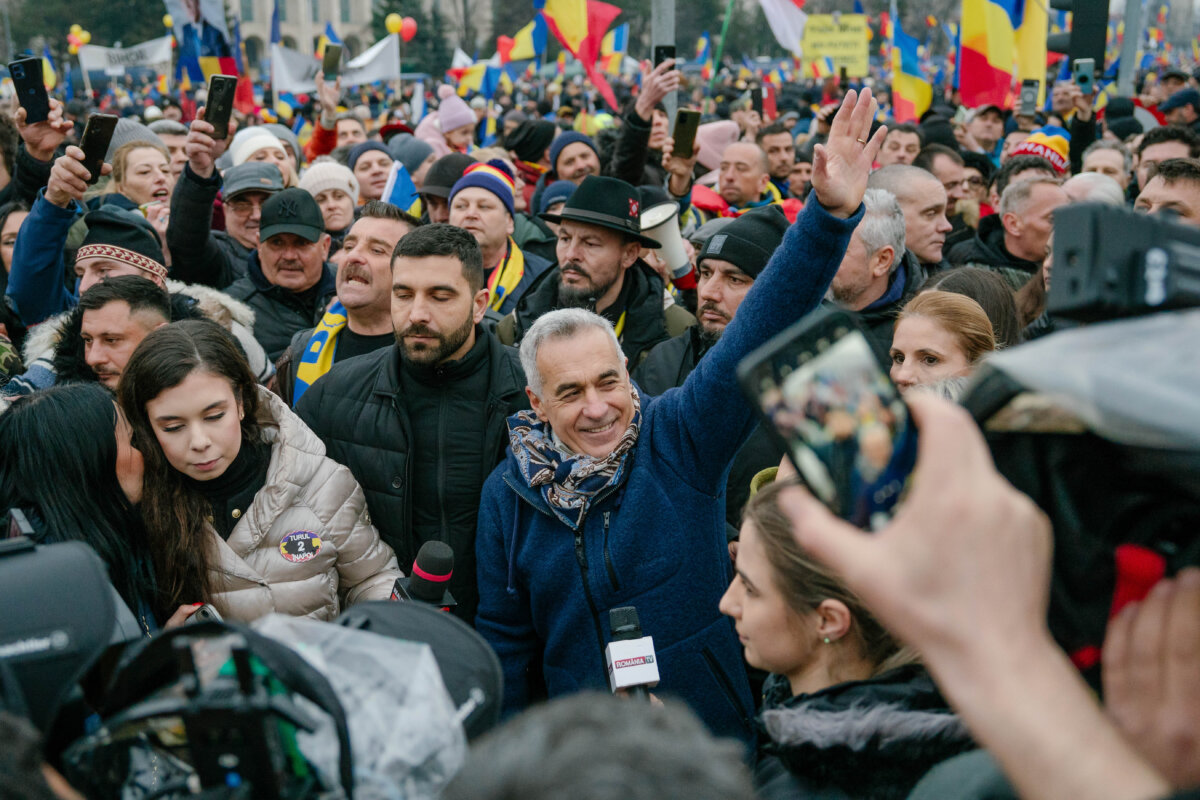
The report said that internal TikTok documents undermined allegations of a large-scale Russian interference campaign.
TikTok informed the EC that it had “not found, nor been presented with, any evidence” to support Romanian authorities’ key allegation of Russian interference.
The report states that TikTok reported to the EC that it censored over 45,000 pieces of alleged “misinformation” on topics including “migration, climate change, security and defence, and LGBTQ rights,” ahead of the 2024 EU elections.
Another example highlighted TikTok’s moderation during the 2023 Slovakia election, the first European election held after the DSA came into force.
TikTok’s internal content moderation guidelines indicate that the platform censored political statements as “hate speech” amid European censorship pressure.
The content included statements such as “There are only two genders,” “Children cannot be trans,” “We need to stop the sexualization of young people/children,” “I think that LGBTI ideology, gender ideology, transgender ideology are a big threat to Slovakia, just like corruption,” and “Targeted misgendering.”
TikTok itself noted that some of these political opinions were “common in the Slovak political discussions.”
The report said that under pressure from the EC, TikTok censored these claims ahead of Slovakia’s national parliamentary elections.
Vaccines
According to the Judiciary Committee, pressure to change content moderation rules related to COVID-19 vaccines came from the “highest levels of the European Commission.”
It stated that in November 2021, the EC requested information on how TikTok planned to “fight disinformation about the covid 19 vaccination campaign for children starting in the US,” specifically inquiring about TikTok’s plans to “remove certain claims” about the efficacy of the COVID-19 vaccine in children.
The report alleges that a year later, EC regulators pressured platforms to remove an American documentary film about vaccines, demanding that YouTube, Twitter, and TikTok “check … internally” and respond “in writing” why the film had not been censored.
Furthermore, in February 2021, the report said former EC Vice President Věra Jourová met with representatives from Facebook, Google, TikTok, Twitter, and YouTube and pressed them on their efforts to address vaccine-related content. The platforms were asked what additional steps they could take to reduce what Jourová described as “toxic content.”
The EC said that “manifestly toxic content” remained online even after “trusted flaggers” requested its removal. These are entities that flag specific pieces of content for review by platforms. Platforms are then obligated to act, either by removing the content or by investigating it further.
The committee claimed that such actions resemble conduct prohibited by the U.S. First Amendment.
An EC spokeswoman told The Epoch Times by email that the allegations “are pure nonsense” and “completely unfounded.”
“Look at public indexes online on freedom of expression. All top countries on that list come from one part of the globe: Europe,” she said.
“On the alleged silencing of political voices. Again, pure nonsense. Online platforms can algorithmically influence elections, we all know that. But not in Europe, because we stand for free and fair elections.”
The Epoch Times contacted Google—which owns YouTube—TikTok, and X, for comment.
 Friends Read Free
Copy
Facebook
Tweet
Friends Read Free
Copy
Facebook
Tweet