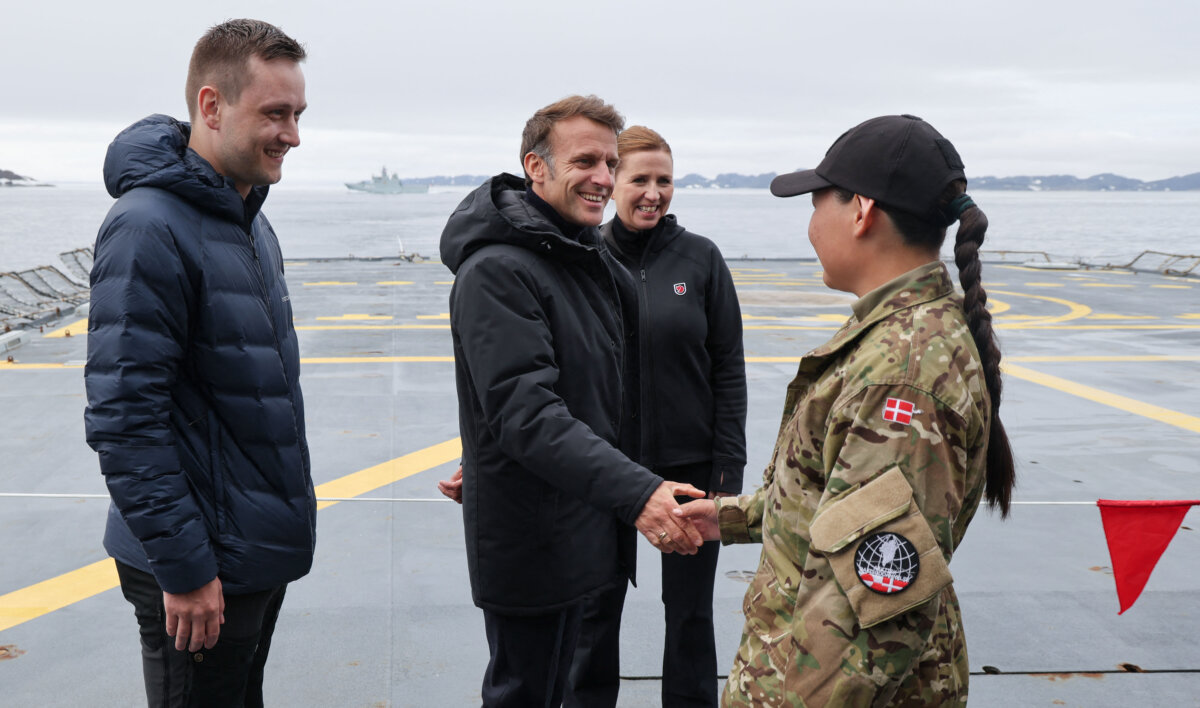

European troops have begun arriving in Greenland as the geopolitical standoff over U.S. ambitions for the Arctic island continues.
French President Emmanuel Macron said on X that French troops were on their way to Greenland to participate in a military exercise organized by Denmark and Greenland, a semi-autonomous Danish territory.
Macron announced that he was convening an emergency defense Cabinet in Paris on Jan. 15 to discuss both U.S. President Donald Trump’s stated intention to acquire Greenland and the deadly clampdown on protesters by the government in Iran.
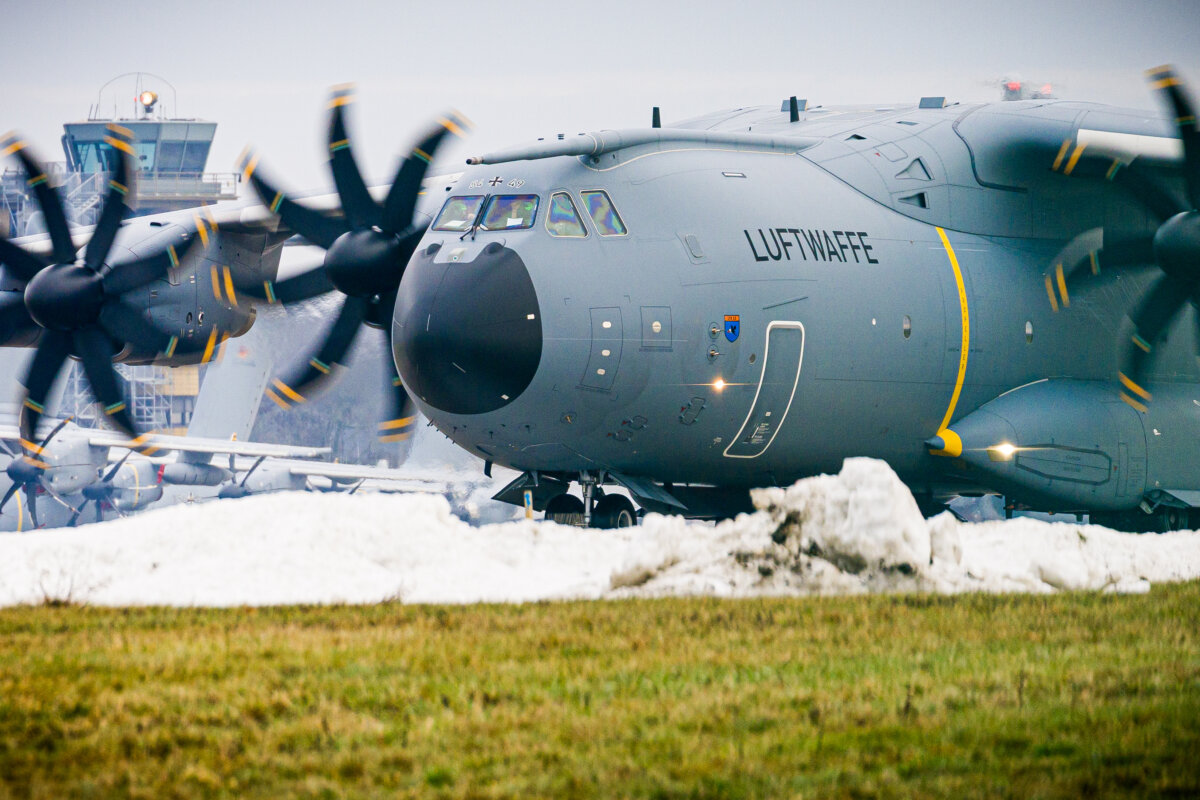
Allied European nations, including Germany, Norway, and Sweden, have begun deploying troops to the Arctic in a demonstration of support for Denmark and Greenland, which has been part of the Danish Realm for more than 600 years.
The deployment follows a meeting between U.S., Danish, and Greenlandic officials to discuss how Washington, Copenhagen, and Nuuk envisage the future of the mineral-rich, strategically located Arctic island.
“At Denmark’s request, I have decided that France will participate in the joint exercises organized by Denmark in Greenland,” Macron said on X late on Jan. 14.
“The first French military elements are already en route. Others will follow.”
Operation Arctic Endurance
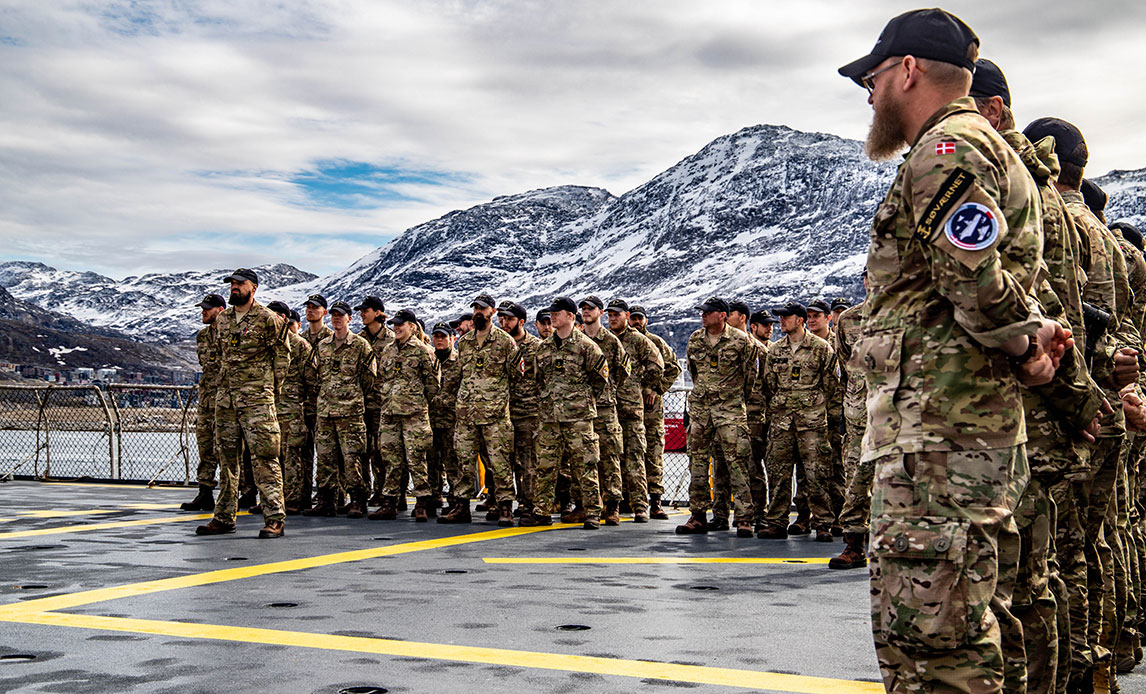
The first batch of French troops deployed numbered about 15, French Ambassador for the Poles and Maritime Issues Olivier Poivre d’Arvor told France Info. All are mountain specialists and were helping to prepare the exercise dubbed Operation Arctic Endurance, according to him.
Several European partners, including Germany, the UK, Norway, Sweden, and the Netherlands, started sending symbolic numbers of troops on Jan. 14 or have pledged to do so in the following days.
Germany will send a reconnaissance team of 13 personnel to Greenland on Jan. 15, its defense ministry said.
Not all of Denmark’s European allies are on board with the military operation, including Poland, which will not send soldiers to Greenland, Polish Prime Minister Donald Tusk said on Jan. 15.
Officially, the troop movements are intended to portray unity among Europeans and send a signal to Trump that a U.S. takeover of Greenland is not necessary, as NATO countries working together can safeguard the security of the Arctic region.
Denmark announced that it would step up its military presence in Greenland, with NATO allies joining them, just after the Danish and Greenlandic foreign ministers met with White House representatives on Jan. 14 in Washington.
A Danish air force plane landed at Nuuk Airport, and military personnel were seen disembarking late on Jan. 14.
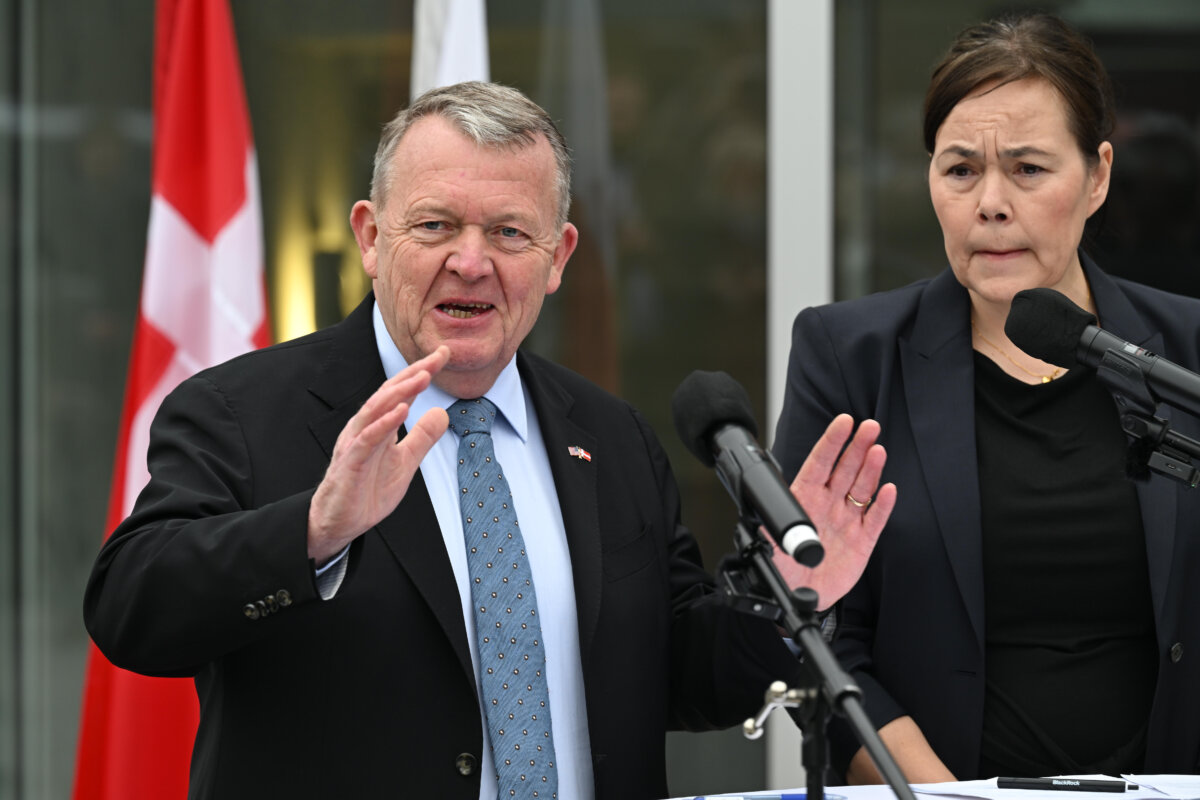
Danish Foreign Minister Lars Lokke Rasmussen said on Jan. 14 that there are currently about 200 U.S. troops stationed in Greenland.
‘Fundamental Disagreement’
“The American ambition to take over Greenland is intact,” Danish Prime Minister Mette Frederiksen said on Jan. 15, describing what she called a “fundamental disagreement.”
“That is, of course, serious, and therefore we continue our efforts to prevent this scenario becoming a reality.”
Trump has repeatedly said that the United States needs to have control of the island in order to guard the security of the Arctic region and tap its mineral resources amid a rise in Russian and Chinese interest.
Greenland’s strategic position between North America and Europe also makes it a key location for the U.S. ballistic missile defense system.
U.S. Vice President JD Vance and U.S. Secretary of State Marco Rubio hosted Rasmussen and Greenlandic Foreign Minister Vivian Motzfeldt at the White House on Jan. 14 to discuss the issue.
Following the meeting, the foreign ministers of Denmark and Greenland said they had agreed to form a working group with the United States to help steer the future of the Arctic island, which is sparsely populated. Greenland has fewer than 57,000 people, chiefly of Inuit descent.
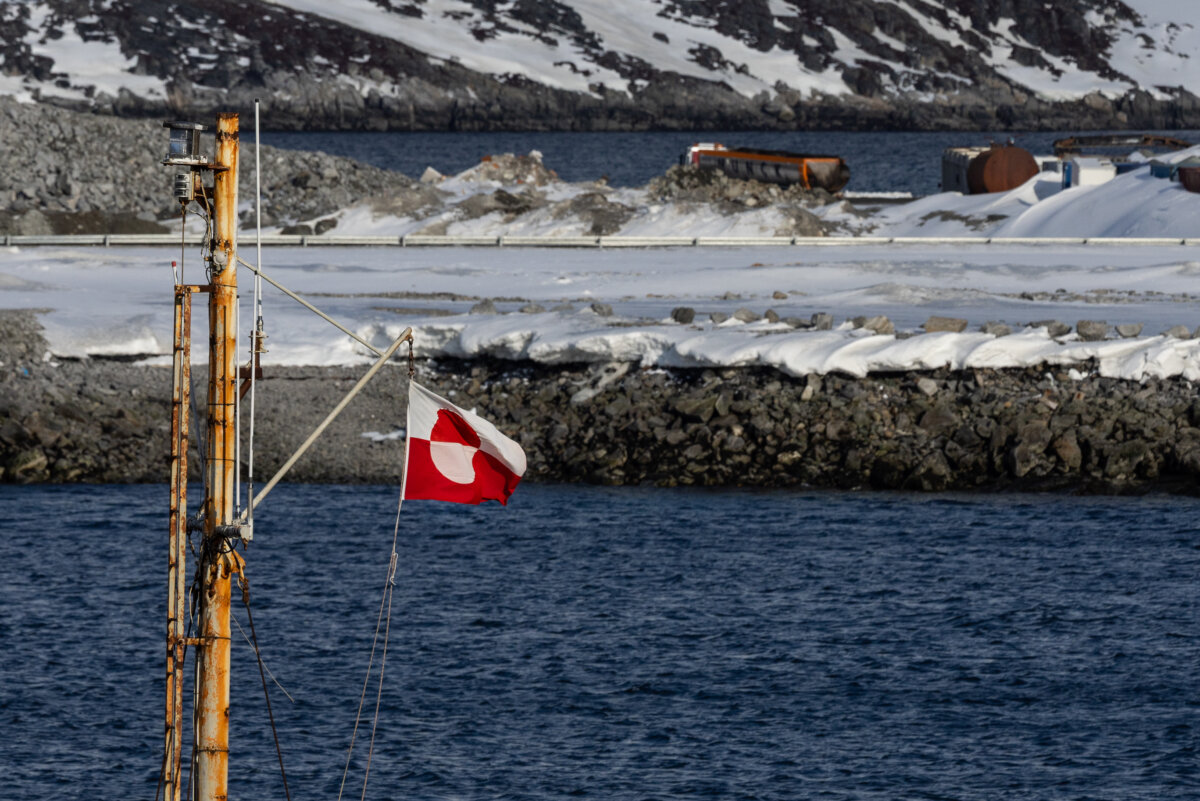
Greenlandic officials have repeatedly stated that the territory, the world’s largest island, is “not for sale.” Greenland has not been a colony of Denmark since 1953, when it became an integrated part of the Kingdom of Denmark, eventually achieving home rule in 1979.
Greenlanders have full Danish citizenship, meaning that they have European Union membership rights—although Greenland is not a member state—and that the territory is covered by NATO as part of Denmark.
Since 2009, Greenland’s right to independence has been recognized under international law, with a majority of its citizens (56 percent) stating a preference for full autonomy in a January 2025 poll. Just 6 percent of respondents in that poll said they favored leaving the Danish Realm to become part of the United States.
‘Permanent Military Presence’
At a news conference outside the Danish Embassy following the Jan. 14 meeting, Rasmussen described a “frank but also constructive discussion” between the parties, but said disagreements remain.
Danish Defense Minister Troels Lund Poulsen said on Jan. 15 that the intention behind the deployment was “to establish a more permanent military presence with a larger Danish contribution,” according to Danish media outlets.
Poulsen said soldiers from a number of NATO countries will be sent to Greenland on a rotation system.
European leaders have contested Trump’s repeated suggestion that the United States has a claim to Greenland from a strategic and national security perspective.
The leaders of France, Germany, Italy, Poland, Spain, and the UK issued a joint statement on Jan. 6 affirming their view that the Arctic island, which has long been part of the Kingdom of Denmark, “belongs to its people.”
Separately, the Nordic nations of Denmark, Finland, Iceland, Norway, and Sweden issued a joint statement on Jan. 5 stressing their dedication to Arctic security and Danish sovereignty over Greenland.
Trump’s Golden Dome
In a Truth Social post on Jan. 14 ahead of the White House meeting, Trump reiterated his belief in the importance of the Arctic island for the security of the United States.
“It is vital for the Golden Dome that we are building,” Trump wrote, referring to a proposed missile defense system.
“NATO should be leading the way for us to get it,” Trump said, noting, “If we don’t, Russia or China will.”
Russia has said through the Russian Embassy in Belgium that NATO’s talk of Moscow and Beijing being a threat to Greenland is designed to promote an anti-Russian agenda.
Greenlandic Prime Minister Jens-Frederik Nielsen said on Facebook on Jan. 15 that Greenland does not want to be governed by, or owned by, the United States, and that the island would remain part of Denmark and the NATO alliance.
“Now is not the time for internal discussions,” he said in the post. “Now is the time for unity, peace and responsibility. I’m following the situation closely, and I stand with you to look after Greenland.”
Juno Berthelsen, a Greenlandic legislator who belongs to the strongly pro-independence Naleraq opposition party, said the most important thing for Greenlanders is that they were directly represented at the meeting in the White House and that “the diplomatic dialogue has begun now.”
A relationship with the United States would be beneficial for both Greenlanders and Americans and is “vital to the security and stability of the Arctic and the Western Alliance,” Berthelsen said.
Reuters and The Associated Press contributed to this report.
 Friends Read Free
Copy
Facebook
Tweet
Friends Read Free
Copy
Facebook
Tweet