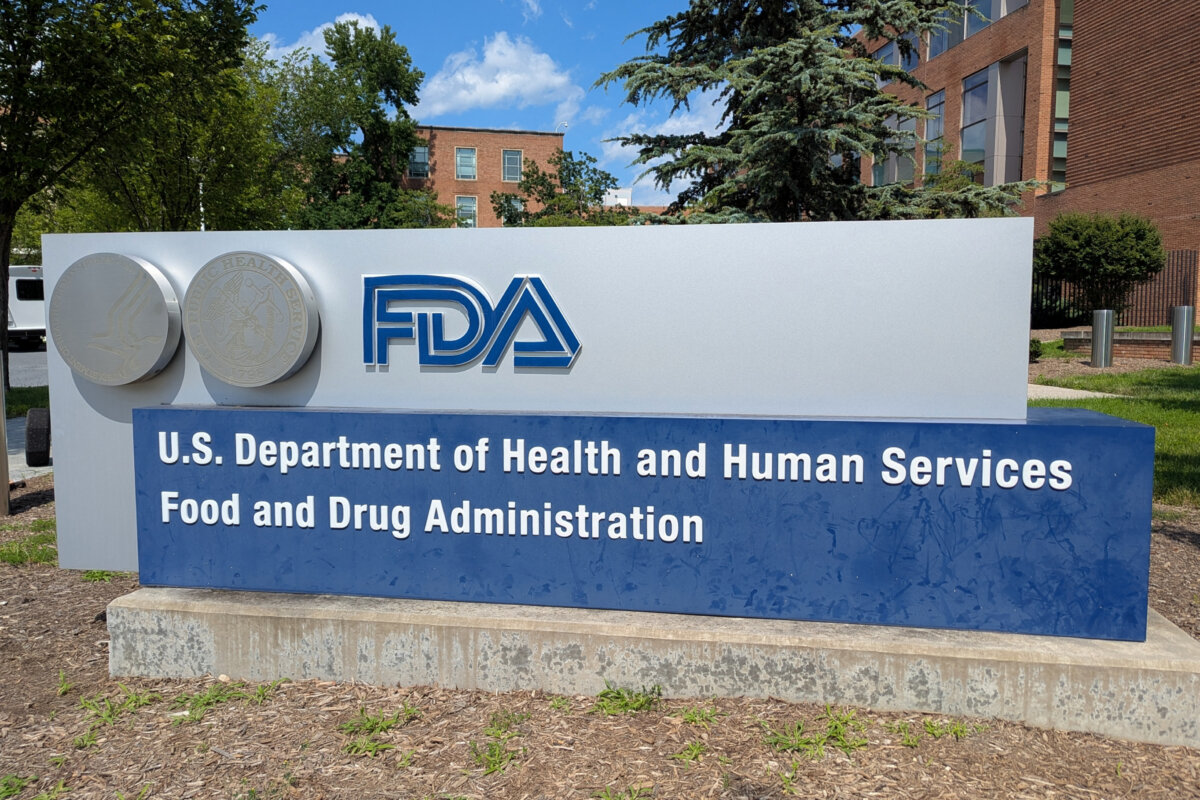

Federal officials on March 9 issued an alert about recalled clams and raw oysters distributed in at least nine states, citing concerns that the seafood products may be contaminated with norovirus, a highly contagious pathogen that causes stomach illness.
A notice issued by the Food and Drug Administration (FDA) said that the raw oysters were harvested by Drayton Harbor Oyster Company and distributed to consumers in Washington state.
Manila clams under recall were harvested by the Lummi Indian Business Council and sent to retailers in Arizona, California, Florida, Georgia, Illinois, Nevada, New York state, Oregon, and Washington state. It noted that other states may have been sent the product, according to the FDA notice.
The FDA added that both products were harvested between Feb. 13 and March 3 in Drayton Harbor, located in northwestern Washington state near the town of Blaine and just south of the Canadian border.
“Shellstock, or raw, live molluscan shellfish such as oysters and clams contaminated with norovirus can cause illness if eaten, and potentially severe illness in people with compromised immune systems,” the FDA said in its notice. “Food containing norovirus may look, smell, and taste normal.”
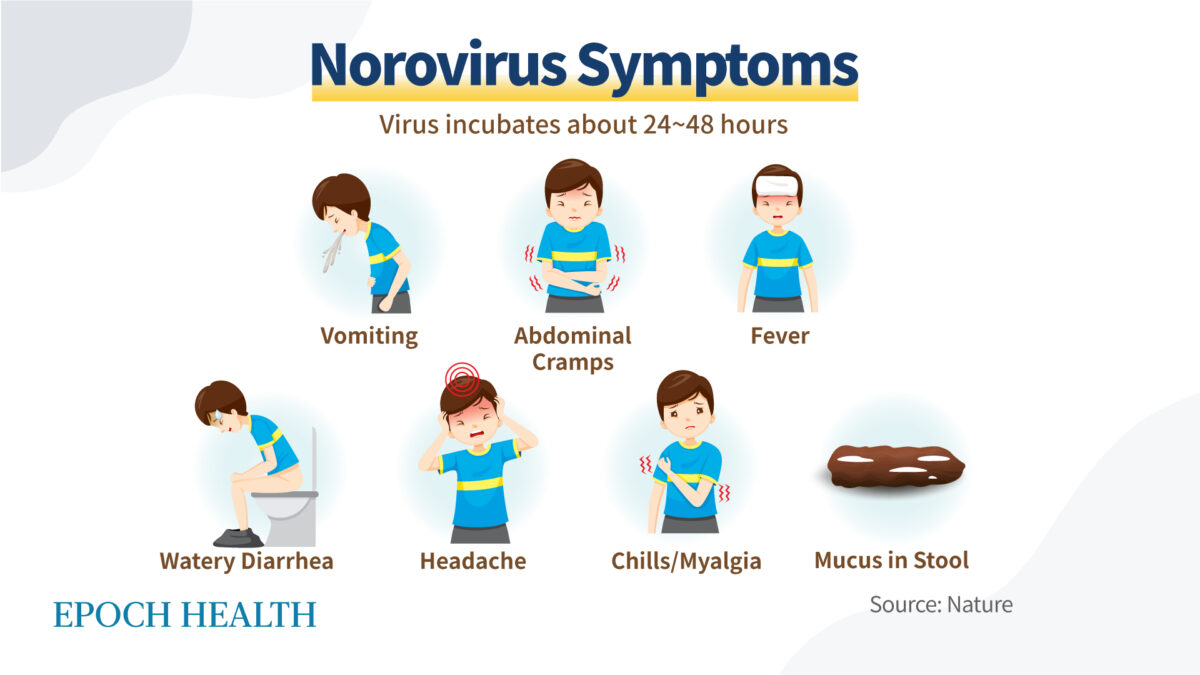
Consumers who eat the products and experience symptoms of norovirus should contact a health care provider and speak to their local health agency, the FDA said. Symptoms of norovirus include nausea, vomiting, diarrhea, abdominal cramps, and fever.
Food retailers and restaurants are also advised not to sell or serve certain raw oysters or clams harvested by either the Drayton Harbor Oyster Company or the Lummi Indian Business Council, the FDA said.
The FDA notice was issued after the Washington Department of Health advised the federal food and drug agency to recall the shellfish because of a “norovirus-like illness outbreak associated with raw oyster consumption,” it said.
A notice published by the Interstate Shellfish Sanitation Conference said that Washington state initiated the recall of the clams and oysters on March 4.
“All distributors said they have contacted these retail establishments, and it is likely all shellstock has been consumed,” the notice added.
The FDA said it is “awaiting further information on distribution of the oysters and Manila clams harvested and will continue to monitor the investigation and provide assistance to state authorities as needed,” adding that more updates may be issued in the future as more details become available.
According to a webpage maintained by the Centers for Disease Control and Prevention (CDC), norovirus is the leading cause of diarrhea and vomiting as well as foodborne illness in the United States. Everyone, regardless of age, is at risk of contracting the illness, it says.
Generally, a person who is exposed to the virus develops symptoms 12 to 48 hours later. The virus can lead to severe diarrhea and vomiting that can lead to dehydration, according to the CDC, which also warns about symptoms of dehydration.
That includes decreased urine output, dry mouth or throat, and dizziness when standing up. For children, crying with few to no tears, as well as unusual sleepiness and fussiness, are also symptoms, it says.
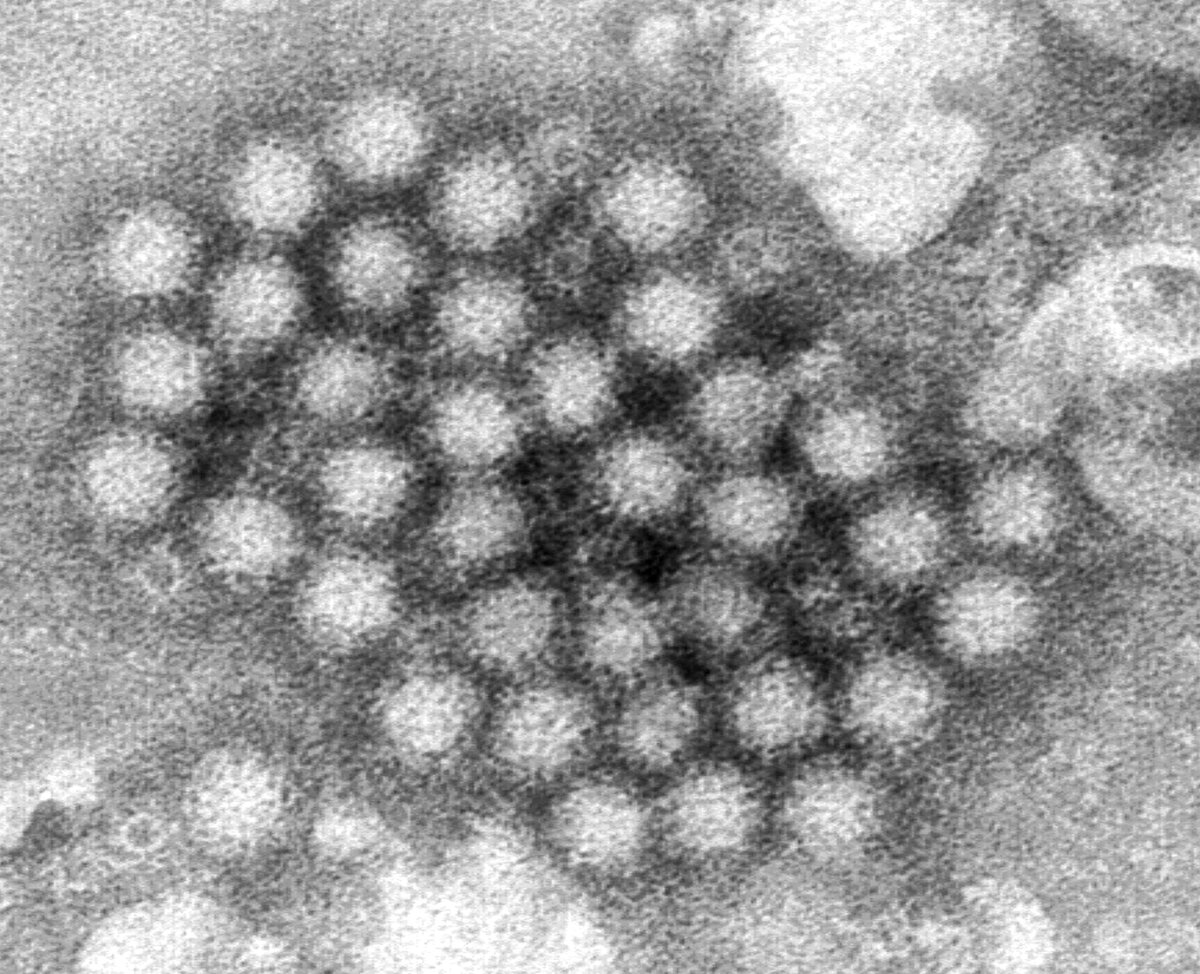
Norovirus, which is commonly associated with outbreaks on cruise ships, can spread through direct contact with an infected person or via contaminated water, food, or objects, according to the CDC.
The FDA notice advised consumers and retailers to ensure people wash their hands with warm water and soap after cleaning possibly contaminated areas that may have touched recalled clams or oysters, focus on potentially mitigating the spread of cross-contamination of cutting surfaces or utensils, clean and sanitize containers that may have held the products, and initiate regular cleaning and sanitizing of food utensils.
 Friends Read Free
Copy
Facebook
Tweet
Friends Read Free
Copy
Facebook
Tweet