



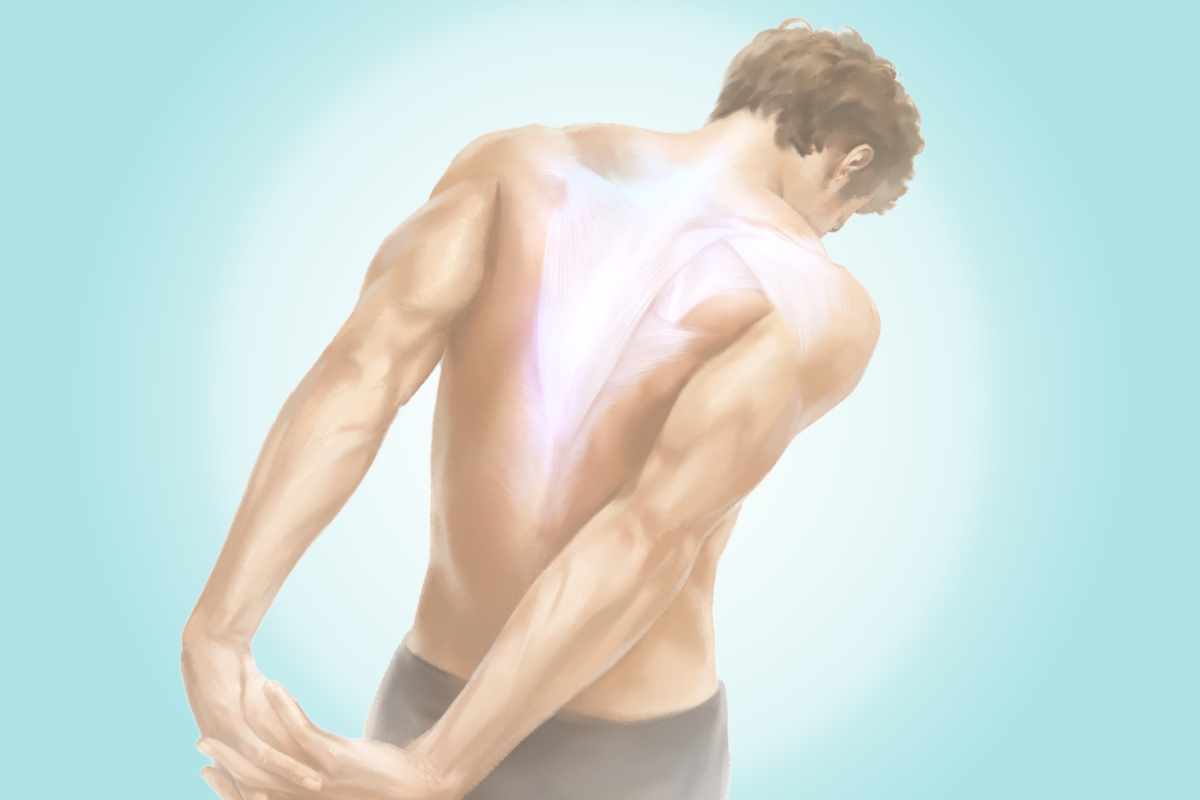
The word “fascia” comes from the Latin word fascia, meaning “band,” “bandage,” or “ribbon.”
For decades, fascia was dismissed as little more than the body’s packing material or a thin layer of connective tissue that wraps around nearly everything in your body. Today, researchers are discovering that fascia is far more important: a living, interconnected network that influences movement, posture, flexibility, pain, and recovery.
[shortcut_anchor id=”anchor_1780796291076″ label=”What Does It Do”]What Does Fascia Do?[/shortcut_anchor]
Fascia acts as a mechano-metabolic system—a biological system in which mechanical forces and metabolic processes continuously influence one another—that transmits mechanical force and contributes to coordination.
Fascia exists throughout the body in different forms, each serving a specific role. Superficial fascia is located just beneath the skin and is made up mainly of collagen and elastin. It helps cushion the body and protect underlying structures. There is also fascia that surrounds and supports muscles and bones, and nerves and blood vessels (deep fascia), as well as organs (visceral fascia). Another type of fascia also lines the inner walls of body cavities (parietal fascia).
Beyond supporting body structure, fascia also has several major functions:
- Serves as a Body-Wide Communication Network: Fascia is packed with sensory receptors and mechanoreceptors, making it highly sensory in nature. When we move or change posture, these receptors respond to pressure and stretch by sending sensory signals that help the brain regulate movement, balance, and coordination.No other tissue system in the body provides more of this type of sensory input to the central nervous system.
- Helps the Body Perceive Pain: Fascia contains specialized pain-detecting nerve endings, including nociceptors, which respond to mechanical stress, chemical irritation, and inflammation—key triggers for pain signaling. In healthy, mobile fascia, these signals help regulate body awareness, both in terms of where the body is in space (proprioception) and its internal state (interoception). However, when fascia becomes stiff, injured, or inflamed, it can increase the activity of these nociceptive fibers, amplifying pain signals. This may help explain why seemingly localized or “muscular” pain can persist even without clear tissue damage in muscles themselves.
- Stores and Releases Elastic Energy: Fascia behaves like a spring. When you walk, run, or jump, it stretches under load, temporarily storing mechanical energy before releasing it to assist the next movement. Under a gentle but sustained load, the tissue gradually continues to deform in a slow process called creep, during which fluid shifts and the tissue lengthens. When the load is removed, fascia begins to recover its shape through elastic recoil, supported by energy release and fluid reabsorption. Recovery depends on the duration and intensity of loading.
- Transmits Forces: Fascia helps distribute and transmit force throughout the body, contributing up to 30 percent of overall force transmission. Without the fascia surrounding muscles and their individual muscle fibers, muscles would not produce enough force for effective movement. Interestingly, muscles can still transfer force to bones even if the main tendon is cut, because fascia connects muscles to surrounding muscles and tissues.
- Helps Bodily Fluids Move: Between fascial layers lies interstitial fluid, which exchanges nutrients, oxygen, and waste between blood capillaries and cells. The lymphatic system also depends heavily on fascial and muscular movement. Since lymph vessels run within and between fascial layers—and because the lymphatic system lacks a central pump like the heart—lymph moves through muscle contractions, body movement, breathing (respiratory pressure changes), and contractions of smooth muscle in lymph vessel walls. Additionally, deep fascia is more developed in the lower limbs and may function like a natural “compression system” that helps push blood back toward the heart.
- Supports the Immune System: As a continuous network throughout the body, fascia contains many of the spaces where immune activity takes place. Immune cells reside within fascial layers and the surrounding interstitial fluid, where they help detect injury, infection, and inflammation while coordinating local repair responses. Fascia also supports immune function indirectly through its close relationship with the lymphatic system, which transports immune cells, removes waste products, and helps clear pathogens.
- Supports Injury Recovery and Surgery: Healthy, well-maintained fascia supports faster and more complete recovery. After surgery, fascia is often stitched back together to help keep the wound strong and stable during healing. At the same time, gentle and varied movement helps maintain fascial hydration, flexibility, and proper tissue alignment, whereas excessive rest can contribute to stiffness and slower recovery. Gradually applying controlled stress or pressure to healing tissue can also help fascia become stronger and more flexible without causing reinjury. Due to its strength and adaptability, some types of fascia, such as the fascia lata in the thigh, can even be used by plastic surgeons as a natural graft to repair damaged tissue elsewhere in the body. In cosmetic facial surgery, surgeons may also loosen or cut certain retaining ligaments, which are connective tissue bands that anchor facial structures, to adjust facial tension and improve appearance.
Could Fascia Be Electrical?
In traditional Chinese Medicine (TCM), meridians are channels that carry “qi” (vital energy) and blood throughout the body. They form a network of pathways connecting internal organs, joints, and extremities, linking the body’s interior and exterior into a unified whole.
Despite being central to TCM, especially in acupuncture, meridians have always been invisible to the naked eye. Western medicine does not currently recognize meridians as anatomical structures in the same way it recognizes nerves, blood vessels, or lymphatic vessels.
However, growing research suggests that fascial networks may correspond closely to the meridian system. A 2002 study found approximately 80 percent anatomical overlap between acupuncture points and intermuscular or intramuscular connective tissue planes. A 2018 study found that meridian pathways tend to align with fascial planes between muscles or between muscle and bone. Researchers Yoshio Nagahama and Dr. Hiroshi Motoyama concluded that the meridian system is associated with connective tissue, particularly the superficial fascia.
Furthermore, an earlier study measuring electrical properties found that connective tissue planes associated with meridians exhibit lower electrical impedance (higher conductivity) than surrounding tissues. This suggests that fascia may act as a preferential pathway for bioelectrical signaling.
Taken together, these findings support the idea that fascia is not just structurally similar to the meridian system, but may also share some of its functional properties.
[shortcut_anchor id=”anchor_1780796324225″ label=”Causes”]What Causes Fascia Dysfunction?[/shortcut_anchor]
Healthy fascia is smooth, flexible, and able to glide easily between tissues. However, when fascia becomes stiff, tight, or less mobile, it can restrict movement and contribute to pain or dysfunction.
Several factors may contribute to fascial dysfunction, including the following:
- Mechanical Overload and Underuse: Both too little and too much stress can disrupt fascial health. Prolonged immobility, inactivity, poor posture, and chronic muscle tension reduce fascial movement and hydration, while repetitive stress, heavy loading, and sudden trauma can exceed tissue tolerance. Over time, these conditions can lead to adhesion (tightness, stickiness, and stiffness), restricted glide between layers, reduced range of motion, or even tissue tearing in severe cases.
- Immobility, Poor Posture, and Chronic Muscle Tension: When fascia remains in a shortened position for prolonged periods, its collagen fibers gradually reorganize and become less flexible, causing fascial shortening. This can reduce range of motion, alter movement patterns, and create tension in other areas of the body because fascia functions as a continuous, interconnected network.
- Inflammation, Injury, or Surgery: They can alter normal fascial structure and healing. Excessive or prolonged inflammatory responses may lead to increased collagen deposition, tissue thickening, and disorganization of connective tissue. In some cases, this contributes to scar-like changes, fibrosis, or conditions involving localized tissue contractures. Changes in superficial fascia can also affect skin texture, such as the dimpled appearance associated with fibrotic remodeling.
- Excessive Stretching, Sudden Force, or Trauma: These factors and repetitive overload can make fascia exceed its limit and cause the tissue to tear or perforate, which can be immediately disabling.
- Fluid and Hydration Changes: Fascia relies on a hydrated, gel-like extracellular matrix to allow smooth sliding between layers. Reduced movement, inflammation, poor nutrition, or abnormal mechanical stress can decrease this fluid exchange, making tissues less lubricated and more resistant to movement.
- Hormonal Influences: Fascia is strongly affected by hormones like estrogen and relaxin, which increase connective tissue flexibility to help prepare the body for pregnancy and childbirth. Hormonal fluctuations during the menstrual cycle, pregnancy, perimenopause, and menopause can influence tissue flexibility, inflammation, pain sensitivity, and healing. Hormonal treatments can also influence fascial structure and function.
[shortcut_anchor id=”anchor_1780796410275″ label=”Fascia in Dysfunction”]What Happens When Fascia Gets Disrupted?[/shortcut_anchor]
Fascial dysfunction does not always stay local. When the fascia’s structure or function is compromised, it can contribute to a variety of clinical conditions.
- Fascia-Related Pain and Stiffness: When fascia becomes stiff or develops adhesions, movement can become restricted, and compensatory movement patterns may place additional stress on other parts of the body. Over time, this can contribute to pain, stiffness, reduced flexibility, impaired movement, and decreased physical performance.Since fascia is dense and not highly expandable, swelling after injury can also increase pressure on nearby nerves and tissues, potentially leading to painful conditions such as “frozen shoulder”, trigger points (tender muscle knots), and myofascial pain syndrome, which can cause localized or referred pain.
- Fragile Fascia: Certain connective tissue disorders involve true biological fragility of fascia and are often associated with joint hypermobility and chronic widespread pain. These conditions can weaken the structural support provided by fascia, leading to problems such as hernias, pelvic organ prolapse, and diastasis recti. Some genetic disorders, including Ehlers-Danlos Syndrome and Marfan syndrome, are also associated with abnormal connective tissue structure and function.
- Pressure-Related Fascial Disorders: These conditions involve increased pressure within a closed fascial space or trauma that disrupts normal tissue function. In compartment syndrome, pressure within a muscle compartment can reduce blood flow and compress nerves. It may occur after major injuries such as crush trauma or burns, and in some cases, be influenced by factors such as obesity.Acute compartment syndrome is a medical emergency that can cause permanent tissue damage, whereas chronic exertional compartment syndrome is an exercise-induced condition that typically resolves with rest.
- Impaired Immunity and Other Conditions: In many systemic diseases, fascial changes occur as a secondary effect of broader metabolic, neurological, or inflammatory processes that alter blood chemistry, immune activity, or nerve signaling. These changes can lead to stiffer, less elastic, and more sensitive connective tissue.Conditions such as heart failure, chronic lung disease, fibromyalgia, and diabetes are associated with these fascial alterations, while autoimmune diseases such as systemic sclerosis can cause excessive collagen buildup, resulting in thickened and hardened connective tissue.
[shortcut_anchor id=”anchor_1780796828026″ label=”How to Keep it Healthy”]How to Keep Fascia Healthy?[/shortcut_anchor]
Fascia is a dynamic tissue that responds to movement and nutrition. Supporting fascial health through consistent daily habits may help maintain flexibility and mobility, and overall tissue function. Key strategies include the following:
1. Movement and Posture
Movement is arguably the most important factor for maintaining fascial health. Regular movement throughout the day helps prevent fascial stiffness, support flexibility, and reduce tension, especially paired with frequent breaks to stand, stretch, or walk.
The Epoch Times columnist and certified personal trainer Amber Yang suggests several stretching exercises you can do at home to relieve fascia adhesions and tightness.
Incorporating a variety of activities, including strength training and mobility work, helps keep fascia adaptable and well-conditioned. Maintaining good posture may also help prevent uneven stress on tissues. Gentle practices such as tai chi and chair yoga can further support fascial health by promoting relaxation, circulation, and recovery. For tight or stiff fascia, self-massaging the affected area can also help.
Myofascial release is a manual therapy technique that uses gentle, sustained pressure and stretching to reduce pain, improve mobility, and support recovery after injury or surgery. Often performed by physical therapists, it can also be done at home using tools such as foam rollers or massage balls to target specific areas. Pressure should be applied slowly and avoided over bony regions such as the kneecap or ankle bones.
2. Diet and Hydration
Good nutrition supports collagen production, tissue repair, and fascial hydration.
Vitamin C is essential for fascial health, as it supports collagen formation, cross-linking, and tissue repair. Including vitamin C-rich foods in the diet may therefore also benefit fascia. At the same time, keeping the body well-hydrated is also important for fascia health.
In general, a nutrient-dense, anti-inflammatory diet can help improve circulation and hydration, reduce inflammation, and support fascial tissue repair and flexibility. Key components include omega-3-rich foods, antioxidant-rich fruits and vegetables, and minimally processed whole foods, which may help reduce inflammation, support cell health, protect against oxidative stress, and promote tissue repair and sustained energy.
Dietary patterns that may negatively affect fascia include high intake of ultra-processed foods, added sugars, trans fats, and excessive alcohol, all of which can increase inflammation, impair tissue repair, or reduce hydration.
3. Certain Treatments
Treatment for fascial dysfunction generally focuses on reducing pain and restoring normal tissue mobility. Common approaches include physical therapy and manual therapy, acupuncture, and heat therapy, which may help improve circulation, reduce tension, and support recovery.
Other treatment options may include trigger point injections with numbing medicine or steroids to reduce pain; dry needling or acupuncture to relieve muscle tension; transcutaneous electrical nerve stimulation or TENS therapy, which uses mild electrical currents; ultrasound therapy; and extracorporeal shock wave therapy, which uses sound waves to help relieve pain.
“Fascia has historically been most overlooked and misunderstood in Western medicine,” wrote researchers in a review published on Frontiers in Neurology. They noted that it’s important to understand the fascia’s ubiquitous role in whole body health.