


Autoimmune disease is a condition when the immune system mistakenly attacks healthy cells, tissues, and organs. There are many types of autoimmune diseases, such as type 1 diabetes, multiple sclerosis, rheumatoid arthritis, and lupus. Scientists do not know the exact cause of autoimmune disease. It is not contagious but it tends to run in families, and could be triggered by infections, certain chemicals, and other substances in the environment. It is often difficult to diagnose an autoimmune disease because the symptoms, such as redness, swelling, heat, and pain, are commonly seen in other diseases. Treatment depends on the type of disease. Most treatments aim to slow down immune system attack against self and alleviate symptoms.

Study Suggests a Potential New Cause of Celiac Disease
Celiac disease, a common autoimmune disease, may not be caused by an overactive immune system.

It’s Not Just What You Eat: Everyday Habits Keep Inflammation Burning
Chronic inflammation often develops silently, yet it may contribute to conditions ranging from digestive disorders to heart disease.

Silent Trigger of MS, Rheumatoid Arthritis – Brain Surgeon Reveals
Dr. Russell Blaylock argues that immune activity triggers excitotoxicity, a process he says may help explain MS, arthritis, and other chronic diseases.

Vitiligo: The Autoimmune Condition That Turns Skin Against Itself–Here Are the Causes
Early patches usually appear on the hands, forearms, feet, and face, where they can lighten the skin and sometimes even whiten the hair.

How Mold Exposure May Harm the Brain, Gut, and Immune System
Traditional Chinese medicine strengthens immunity and detox pathways to help clear mold toxins.

7 Core Supplements to Boost Strength, Weight Loss After 60 | Doug Spiel, MD
Dr. Douglas Spiel highlights key nutraceuticals that enabled him to recover, at 60, the strength and vitality he’d had more than 10 years earlier.


How Emotions Fuel Autoimmune Disease, and What You Can Do
In addition to colds, flu, or other illnesses, our immune systems can also be triggered into high alert by stress, trauma, and unprocessed emotions.

Common Kissing Virus May Trigger Lupus, Study Finds
Epstein-Barr virus hijacks immune cells that cause lupus, researchers say.

Lupus Often Improves With Age, Scientists Find Out Why
Understanding why lupus often becomes less severe with age may hold promise for its treatment.

Lupus: An Unpredictable Disease That Can Affect Any Part of the Body—Here Are the Signs
Lupus is a chronic autoimmune disease affecting over 1 million people in the United States, most of them women.

Cut ADHD, Autism Risk From Cooking Oils, Wheat, and Cheese
Could we lower ADHD and autism rates by cutting food toxins? Beyond the seed oils, dyes, and flavorings targeted by HHS Secretary Robert F. Kennedy Jr., which other foods pose ...

High-Dose Vitamin D May Slow Progression of MS-Like Neurological Disorder
People taking 100,000 units of vitamin D every two weeks had less nerve damage when assessed by an MRI scan.
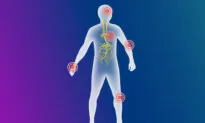
How to Harness Vagus Nerve Power to Counter Common Autoimmune Diseases
Deep breathing and device-based vagus nerve stimulation may help with symptoms of autoimmune disease.

Gout Is a Genetic Condition, Triggered by Lifestyle Factors: Study
A new study analyzing 2.6 million DNA samples challenges long-held beliefs about diet and lifestyle.

Early Childhood Sun Exposure Reduces Multiple Sclerosis Relapse Risk by a Third: Study
Research finds both childhood and maternal sun exposure are linked to lower multiple sclerosis relapse rates.

Chronic Disease Is Reversible: Don’t Give Up Hope
Living with a chronic condition can leave you feeling lonely and helpless, yet recovery is possible.
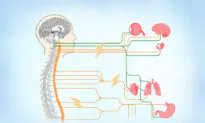
Dysautonomia: Symptoms, Causes, Treatments, and Natural Approaches
At least 70 million people globally live with dysautonomia, an umbrella term for medical conditions affecting the autonomic nervous system.

Prenatal Steroid Use Linked to Autism, ADHD Risk in Children: Study
Researchers analyzed data from more than 1 million births.

Lupus: Understanding the Causes and Practical Self-Care Tips
Lupus is sometimes referred to as a "non-lethal cancer." Recently, a woman from China, overwhelmed by the physical and emotional toll of the disease, traveled to Switzerland to seek assisted ...

Diet and Gut Health May Impact Rheumatoid Arthritis, Study Suggests
A new diet called AIP can identify and eliminate the culprits responsible for inflammation in rheumatoid arthritis and other autoimmune disease.

Ultra-Processed Foods Linked to Psoriasis Flare-Ups
A new study of more than 18,000 participants highlights the potential influence of diet on inflammatory diseases.

Multiple Sclerosis and Food: Dietary Foes and Friends
The healthy fats featured in the Mediterranean diet have been found to reduce the risk of chronic disease, including neurodegenerative diseases such as MS.

Low-Dose Naltrexone: A Potential ‘Wonder Drug’ Held Back by Costly Trials
Some research supports the use of anti-inflammatory low-dose naltrexone for chronic pain and autoimmune conditions.

5 Types of Foods That Fight Fall Asthma Flare-Ups
Knowing which foods to avoid and those that support a healthy immune system may help ease symptoms of asthma during peak seasons.
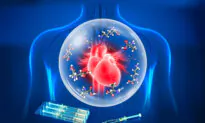
Old Drug Could Be New Healing Aid for Heart Attack Victims
Copaxone could promote healing of the heart muscle, leading to a faster recovery.

UCSF Researchers Identify Major Driver Behind COVID and Long COVID, With Potential Treatment
Spike proteins from the SARS-CoV-2 virus increase the toxic effects of fibrin, researchers found.