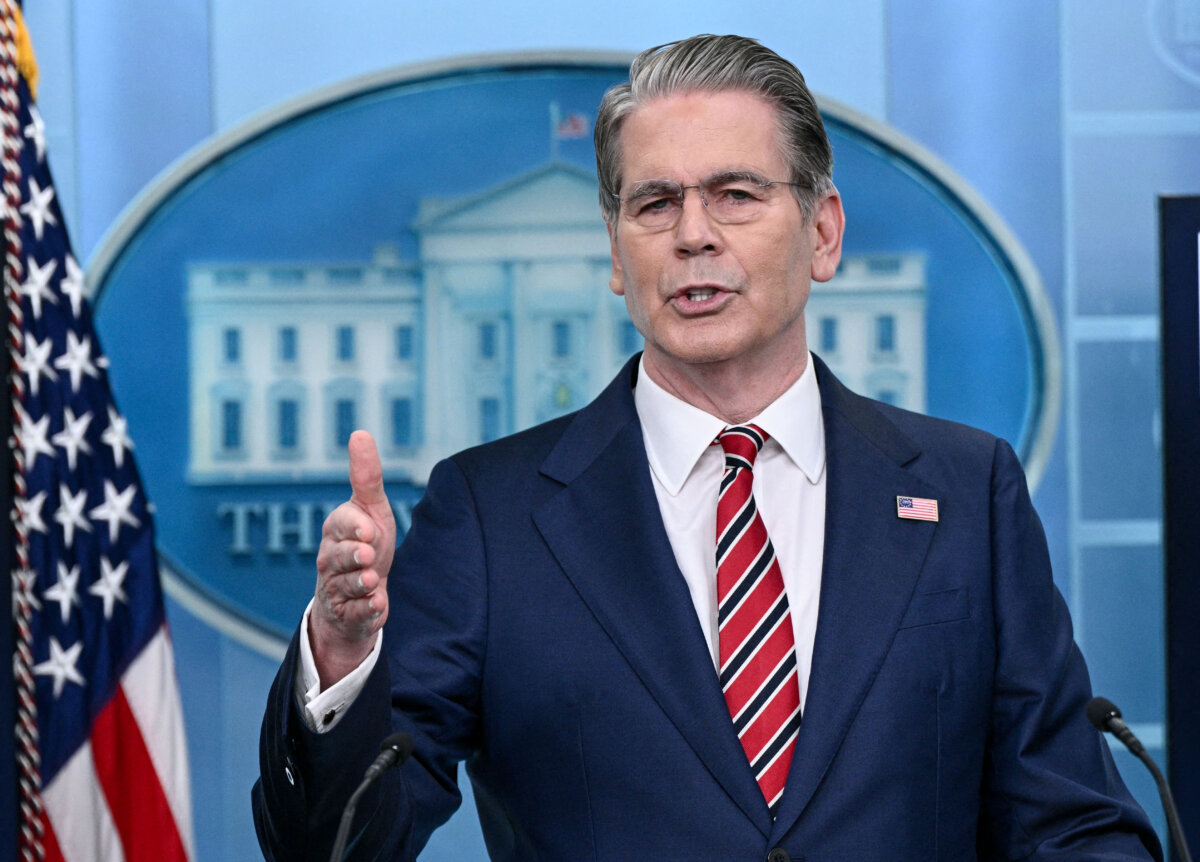

Treasury Secretary Scott Bessent said on Wednesday that relatively high gas prices will not last long but that any change is contingent on when the United States and Iran cease hostilities.
“I think the conflict will end, I think gasoline prices will come back to where they were or perhaps lower,” Bessent told the Senate Appropriations Committee on April 22.
President Donald Trump, he added, “has shown that he is good at getting energy prices down and that our energy dominance agenda has lowered prices.”
The price for Brent crude oil, the international standard, increased to $100 on Tuesday and hovered around that price on Wednesday. Meanwhile, West Texas International crude stood at around $92 per barrel.
The American Automobile Association reported $4.02 for a gallon of regular gasoline on Wednesday. Days before the U.S. launched strikes on Iran on Feb. 28, the price for a gallon of gasoline was under $3 on average.
Bessent did not make a prediction about when the war with Iran would end. A day earlier, Trump announced that he extended a ceasefire with Tehran to allow for the country’s regime to make a peace proposal amid uncertainty about whether Iranian officials would attend negotiations in Pakistan.
With the increase in gas prices, the U.S. Labor Department reported Tuesday that its producer price index, a measure of inflation, rose o.5 percent from February 2026 and 4 percent from March 2025. Energy prices surged 8.5 percent from February 2026, it also said.
The Labor Department said this past week that soaring gasoline prices pushed consumer prices up 3.3 percent last month from a year earlier, the biggest year-over-year increase since May 2024.
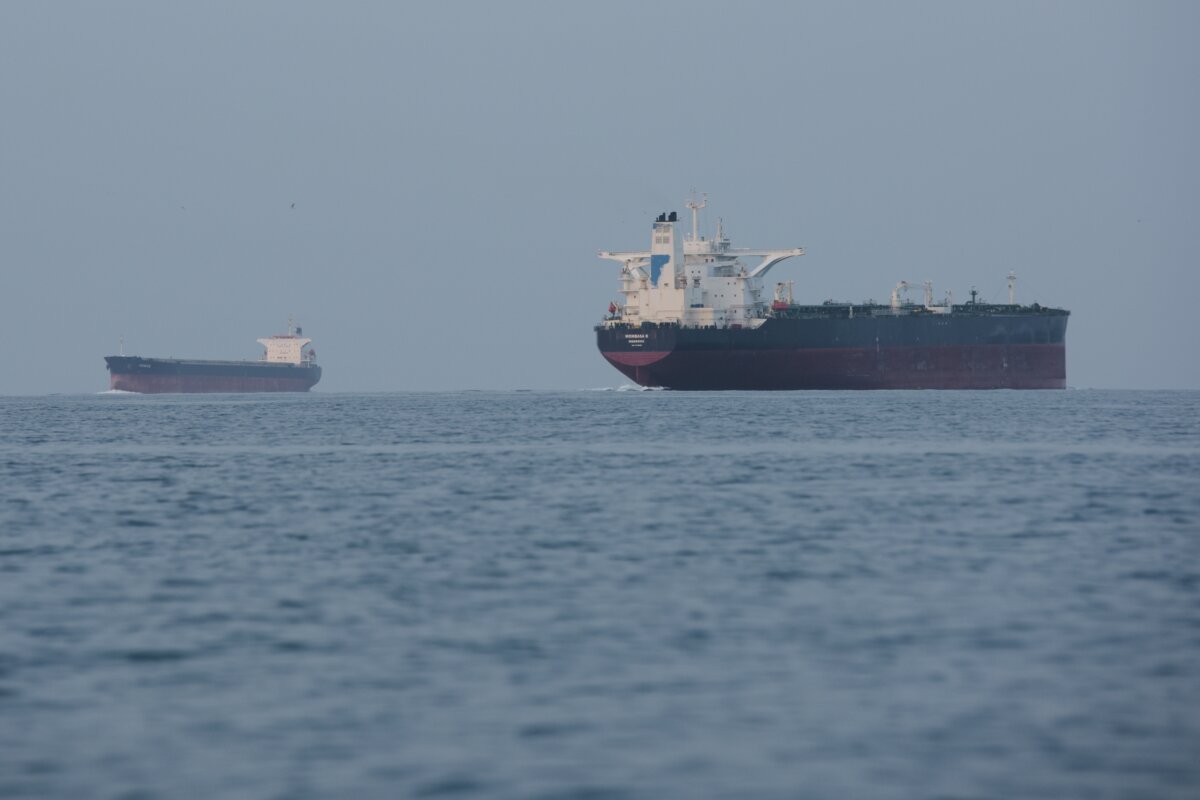
Iran’s Revolutionary Guard fired on three ships in the Strait of Hormuz on Wednesday, throwing into question current efforts to end the war. The Guard seized two of the ships and was bringing them to Iran, according to Iranian media. Earlier in the week, Trump said the U.S. military would continue to blockade Iranian ports after the ceasefire was extended.
U.S. forces boarded an oil tanker previously sanctioned for smuggling Iranian crude oil in Asia, the Pentagon said on Tuesday, as it puts into place a global warning to track down vessels tied to Tehran. The tanker is the second vessel linked to Iran that has been interdicted by the U.S. military. Iranian Foreign Minister Abbas Araghchi on April 21 called the U.S. blockade a breach of the ceasefire.
Iranian officials said on Wednesday that Tehran also has not decided whether to join the talks, while Iran’s president and parliament speaker have said the blockade violates the ceasefire and impedes peace talks.
“A complete ceasefire only makes sense if it is not violated by the maritime blockade and the hostage-taking of the world’s economy,” the parliament speaker, Mohammad Bagher Ghalibaf, wrote on X. “Reopening the Strait of Hormuz is impossible with such a flagrant breach of the ceasefire,” he added.
The Associated Press contributed to this report.
 Friends Read Free
Copy
Facebook
Tweet
Friends Read Free
Copy
Facebook
Tweet