

General Motors said Thursday it will take a $7.1 billion hit in special charges for the last three months of 2025 after pulling back from electric vehicles (EVs) and restructuring in China, according to the Detroit automaker’s federal filing.
The losses include $6 billion related to disappointing results from its EV brands after declining sales last year, and $1.1 billion related to an overhaul of a joint venture in China.
GM had invested significant capital to develop EVs to meet the Biden administration’s stringent fuel economy and emissions regulations and anticipated customer demand. The company became the second-biggest seller of EVs in North America starting in the second half of 2024.
When the Trump administration eliminated consumer tax incentives for EVs and eased emissions regulations for internal combustion engine (ICE) vehicles last year, consumer demand for EVs began to slow, GM said.
As a result, the company reduced EV production while refocusing on full-size SUVs and pickup trucks in both ICE and EV models. GM also sold its interest in a massive battery cell manufacturing plant in Lansing, Michigan, the company reported.
The U.S. automotive industry went through significant changes last year with the expiration of government subsidies for EVs, the introduction of tariffs, and regulatory rollbacks.
Car buyers responded to the changed incentives by pulling away from EVs and moving toward hybrids and internal combustion engine vehicles, and favoring domestically produced cars over imports.
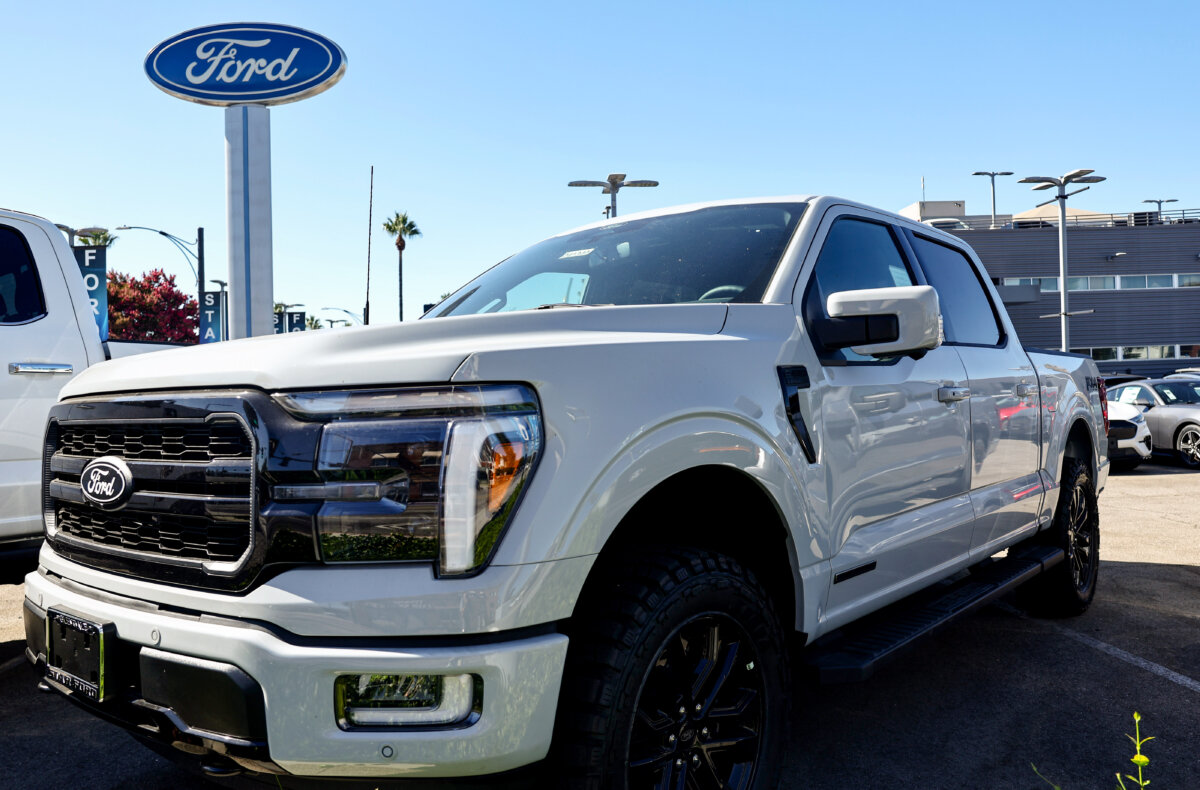
Ford also pulled back from electric car production, taking a blow of almost $20 billion, the Michigan company said in December.
The carmaker shifted to higher-return models, including trucks and vans, and launched a new, high-growth battery energy storage business.
Ford no longer plans to produce select larger EVs after lower-than-expected demand, higher costs, and regulatory changes, the company stated.
“This is a customer-driven shift to create a stronger, more resilient and more profitable Ford,” President Jim Farley said. “The operating reality has changed, and we are redeploying capital into higher-return growth opportunities.”
EV automaker Tesla’s sales fell more than expected in the fourth quarter of 2025 as it faces increasing global competition and the expiration of tax incentives in its home U.S. market.
Demand for the Cybertruck and other premium models may have also stalled, with Tesla reporting delivery of just 11,642 vehicles in the last three months of last year of the Model S, Model X, and the Cybertruck combined.
The federal tax credit of $7,500 for EV purchases expired at the end of September 2025. EV sales surged prior to that date as buyers scrambled to take advantage of the credit, but then plummeted by more than 60 percent in October among several major EV manufacturers.
 Friends Read Free
Copy
Facebook
Tweet
Friends Read Free
Copy
Facebook
Tweet