A group of hundreds of Venezuelans, who were held in El Salvador’s maximum security megaprison before being returned to their home country, on Dec. 26 urged the U.S. government to comply with a recent court order and offer them due process in a U.S. court.
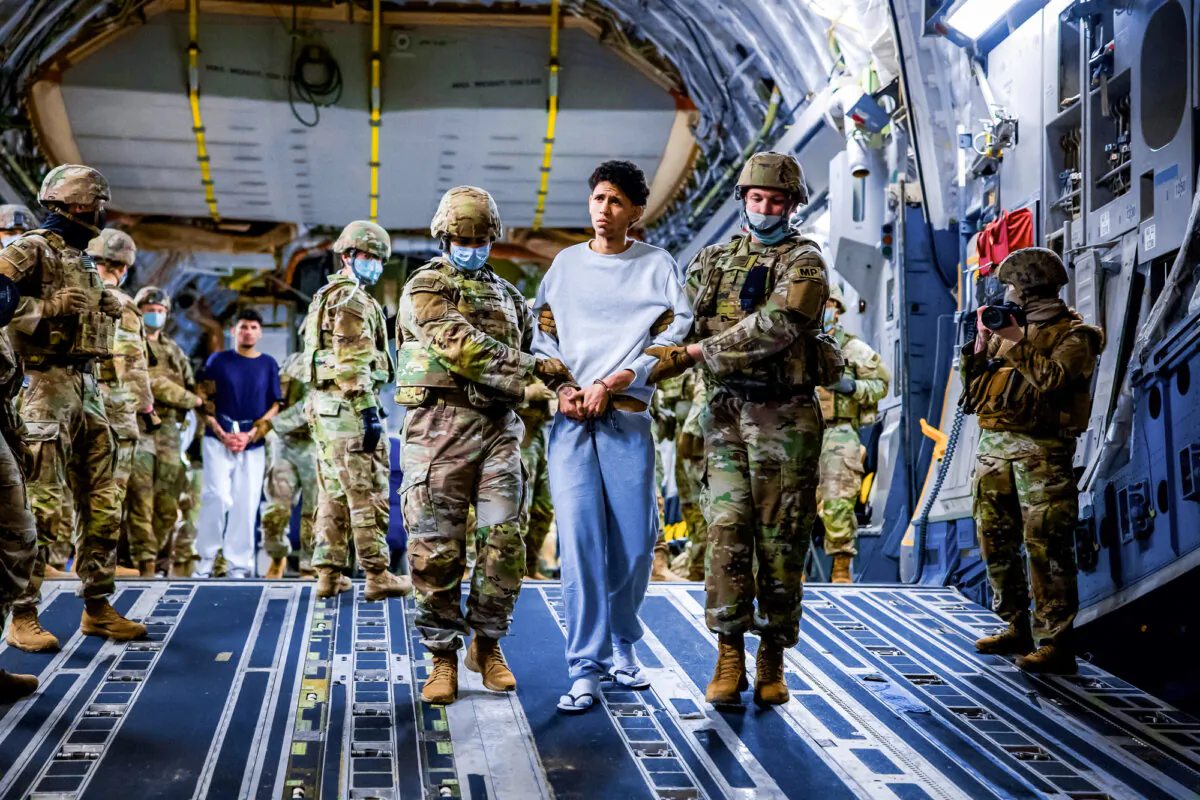
In March earlier this year, the group was shipped to El Salvador’s Terrorism Confinement Center (CECOT) after U.S. President Donald Trump invoked the 1798 Alien Enemy Act to deport criminal illegal immigrants who were classified as members of the violent Tren de Aragua gang.
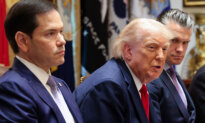
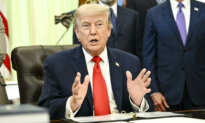
The president aimed to use the Alien Enemies Act as a way to expedite the deportation of alleged gang members of Tren de Aragua. Trump said in March that the gang is “perpetrating, attempting, and threatening an invasion or predatory incursion against the territory of the United States.”
The roughly 250 Venezuelans argued that they have a right to challenge their deportation because of a ruling on Dec. 22 made by Judge James Boasberg of the U.S. District Court for the District of Columbia that the Trump administration must quickly arrange for the Venezuelans’ return. Boasberg said their hasty deportations violated their due process rights and that they have a right to make a challenge in a U.S. court.
“The Court finds that the only remedy … would be to order the Government to undo the effects of their unlawful removal by facilitating a meaningful opportunity to contest their designation,” Boasberg wrote in his ruling.
The judge also stated that Immigration and Customs Enforcement must offer the U.S. government some assistance in the Venezuelans’ return, such as “issuing a Boarding Letter to permit commercial air travel.”
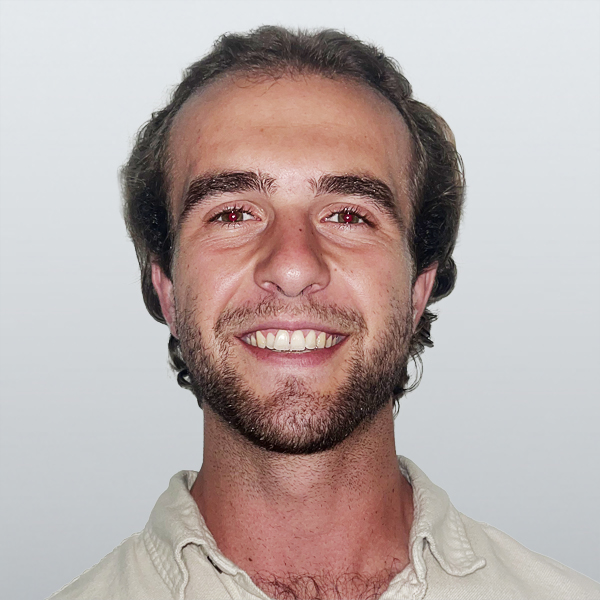
At a press conference in Caracas, Venezuela, on Dec. 26, Ysqueibel Peñaloza, a former detainee, spoke on behalf of the hundreds of others who were deported together.
“We call on the governments of the United States and El Salvador to fully comply with the court order,” Peñaloza said. “We demand that the authorities of that country create the conditions that will allow us to participate in the hearing.”
According to Boasberg’s ruling, the Trump administration has two weeks to present its plan on how it will offer due process.
“The Government could also theoretically offer Plaintiffs a hearing without returning them to the United States so long as such hearing satisfied the requirements of due process,” Boasberg ruled.
The U.S. Department of Justice is expected to challenge the ruling, as it has with many others issued by Boasberg, including his recent attempt to investigate potential contempt by the administration.
The months-long legal saga started when the judge issued two temporary restraining orders blocking officials from removing individuals under the Alien Enemies Act. Those orders were later vacated by the Supreme Court, which said the underlying lawsuit wasn’t brought with the right legal mechanism. It also said Trump should provide some kind of due process for potential deportees.
While detained in El Salvador, a new set of plaintiffs filed a lawsuit under habeas corpus, which is the legal mechanism the Supreme Court said was required. Boasberg responded by certifying a class that included all noncitizens removed to El Salvador as part of Trump’s declaration.
Since then, the Trump administration has escalated tensions with Venezuela over drug trafficking operations in the country by launching attacks on drug boats, imposing an oil blockade, sanctioning family members of the Maduro regime, and even leaving open the possibility of military conflict.
Among other arguments, the Justice Department told Boasberg he lacked authority to rule on the issue because the removed individuals were no longer in U.S. custody.
Boasberg said in June that there wasn’t enough evidence to show that the administration had that type of custody but changed his determination on Dec. 22, citing new facts that he said developed.
“El Salvador acted at the behest of the United States, it was indifferent to Plaintiffs’ detention outside of honoring its arrangement with the United States, and the United States retained the ability to control their release from CECOT,” he said.
Even though the plaintiffs are no longer in El Salvador, Boasberg said he had jurisdiction because they were in El Salvador, and therefore in U.S. custody, when the lawsuit was filed.
As of publication, neither Trump nor Salvadoran President Nayib Bukele has publicly commented on the Venezuelans’ demands.
The Trump administration did not immediately respond to a request for comment.
Sam Dorman and Reuters contributed to this report.
 Friends Read Free
Copy
Facebook
Tweet
Friends Read Free
Copy
Facebook
Tweet