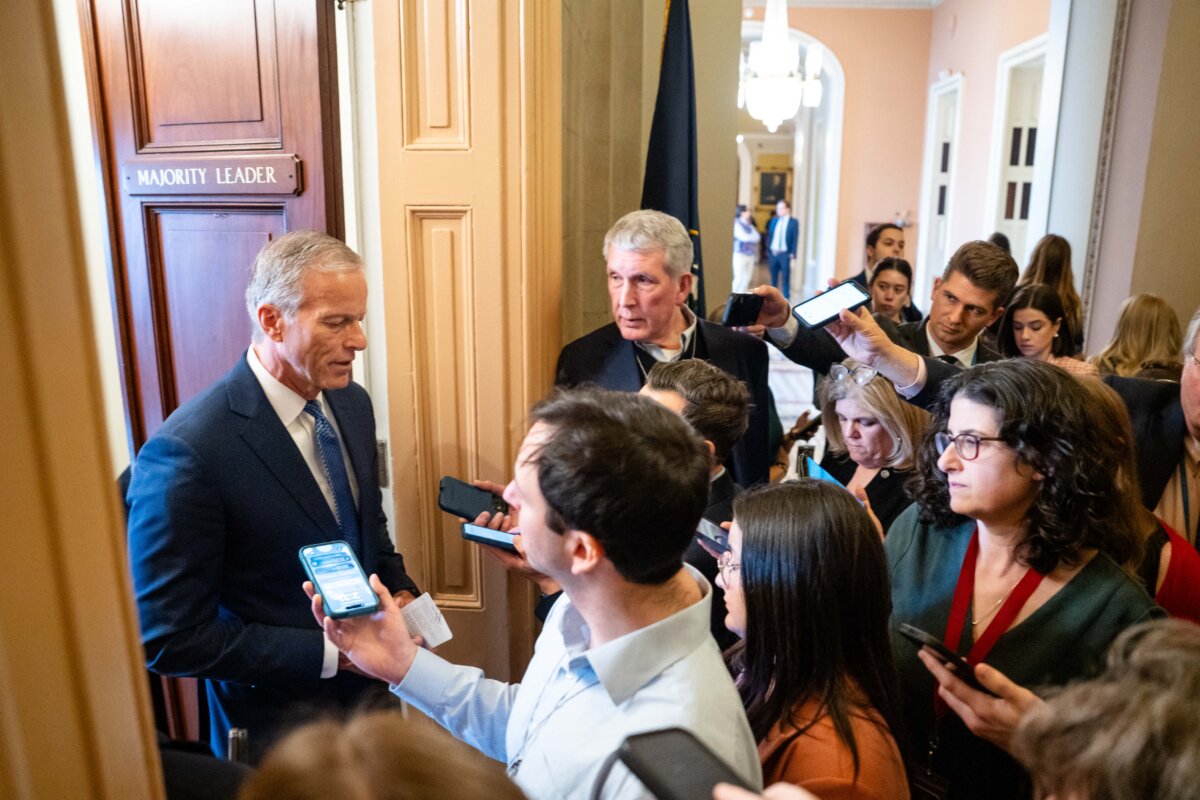

WASHINGTON—When President Donald Trump signed the funding package that ended a partial government shutdown on Feb. 3, another clock started ticking.
Republicans and Democrats have a Feb. 13 deadline to strike a new deal on appropriations for the Department of Homeland Security (DHS), now covered by a very brief continuing resolution.
The department’s components include Immigration and Customs Enforcement (ICE), Customs and Border Patrol, the Transportation Security Administration, and the Federal Emergency Management Agency. Coast Guard funding is also affected by the DHS bill.
Although the House originally passed appropriations for the DHS on Jan. 22, Democratic senators balked at the measure amid intensified ICE activities across the country and after the death of Alex Pretti, who was shot on Jan. 24 in an altercation with immigration law enforcement officers.
The Senate ultimately passed five of the six appropriations bills that made it through the House alongside a short-term continuing resolution for the DHS. After a $1.2 trillion government shutdown that lasted four days, the House relayed the package across the finish line.
While last year’s reconciliation bill leaves ICE and CBP well funded, appropriations for DHS are in jeopardy again thanks to the tight timeline.
Sen. Katie Britt (R-Ala.), the lead Senate GOP negotiator on a DHS deal, set expectations in comments to reporters.
“Trying to figure out a pathway forward, in my opinion, we would need a little bit more time,” she told reporters, adding that she had not yet heard back from Senate Democrats after reaching out to them.
A day after the partial shutdown ended, conflicting expectations from Republicans and Democrats have fueled pessimism about a quick resolution to the standoff.
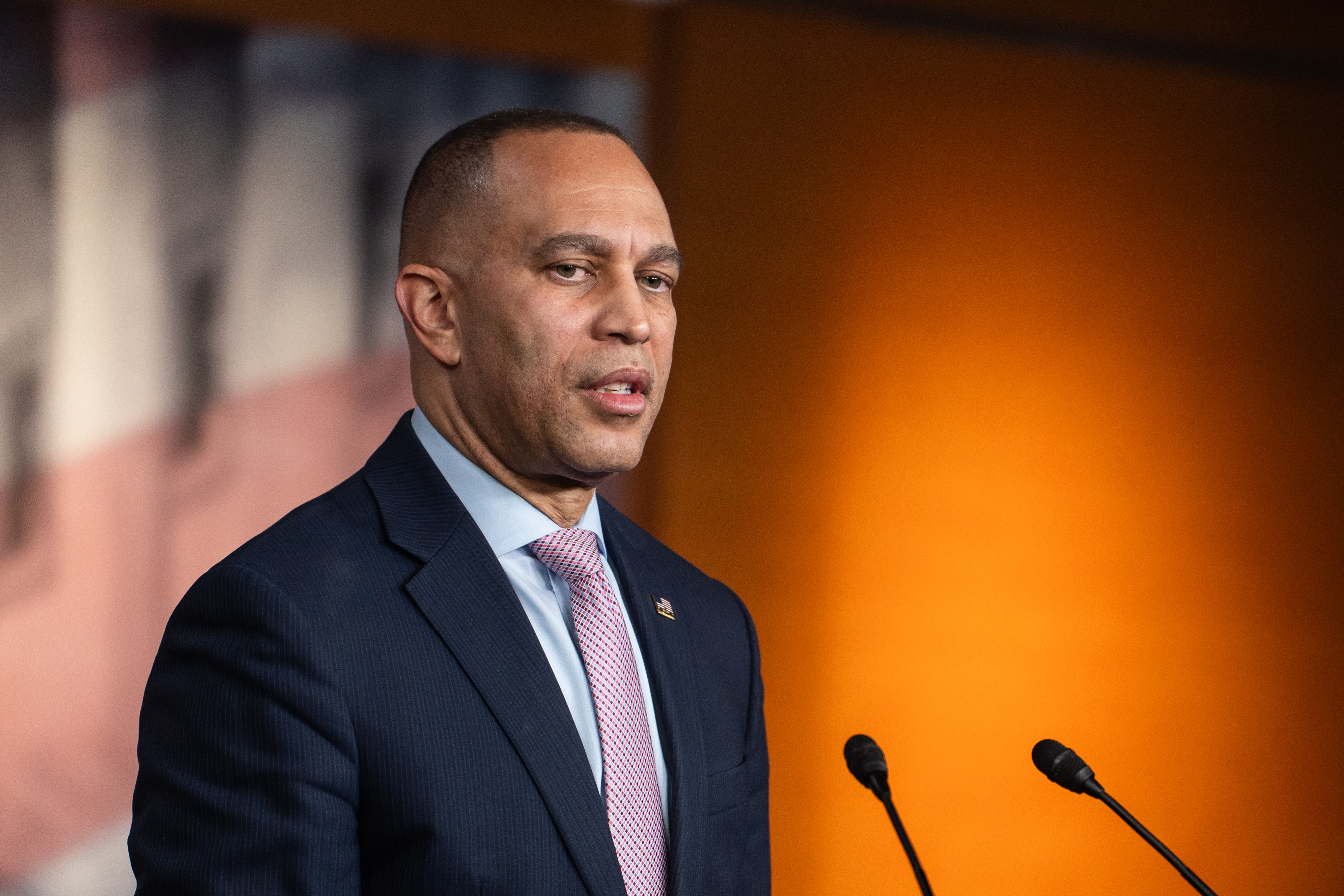
Senate Minority Leader Chuck Schumer (R-N.Y.) and House Minority Leader Hakeem Jeffries (D-N.Y.) laid out their side’s core demands during a joint morning press conference with other Democrats.
Those demands, which they said would be provided in draft legislation on Feb. 5, include a significant curtailment in masking by ICE agents.
Masks, Schumer said, should only be used “in extraordinary and unusual circumstances.”
They also include judicial warrants, which Jeffries said “should be required before everyday Americans are ripped out of their homes or snatched out of cars violently.”
The doxxing of ICE agents and subsequent threats to them and their families has driven support for masking among many Republicans.
DHS has defended its use of administrative warrants and final orders of removal instead of judicial warrants as a basis for entering a suspected illegal immigrant’s residence, citing court precedent and stating that past approaches provided a loophole for fugitive aliens.
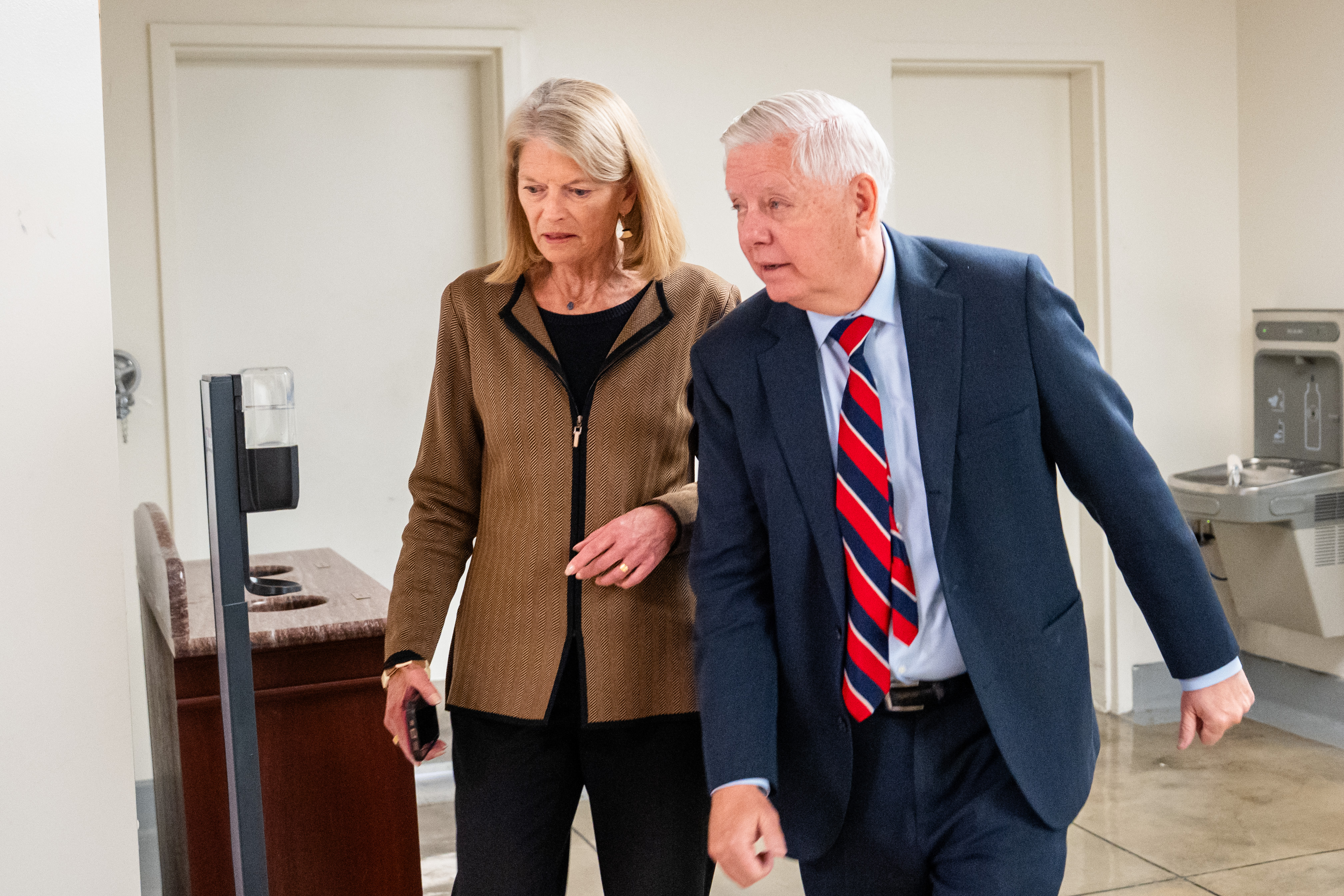
Sen. Lisa Murkowski (R-Alaska) told The Epoch Times that striking a deal on DHS will be “really hard.”
“It’s not impossible, but you’ve got to have willingness on both sides,” she said, adding that Trump would have to be “really leaning in on these negotiations.”
Britt stressed the need to bolster cooperation between the federal government and state and local law enforcement in handling criminal illegal aliens. She told reporters Republicans would issue a proposal that includes language on that issue.
The distance between Democrats and Republicans on a new appropriations bill has spurred talk of another stopgap—possibly one that lasts much longer.
Sen. Gary Peters (D-Mich.), the Democrats’ lead negotiator in the Senate, told reporters that another short-term or long-term continuing resolution would not be acceptable.
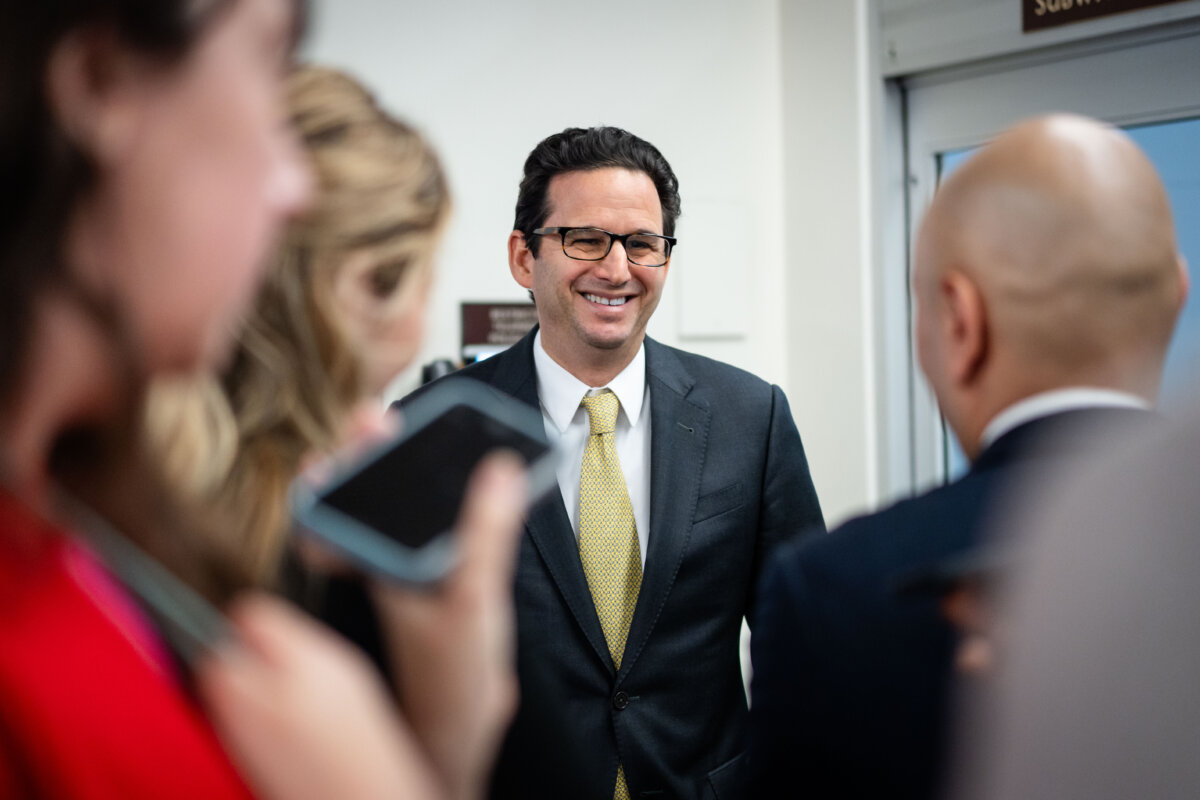
Sen. Brian Schatz (D-Hawaii), when asked about a yearlong continuing resolution, told reporters that Democrats “feel like we’re in a strong position” as they push their requests.
Britt said the Trump administration’s drawdown of federal agents from Minneapolis and a requirement that federal agents wear body cameras reflect “very good-faith outreach from our side.”
Those gestures might not be enough to close the gap between the parties.
Sen. John Kennedy (R-La.) did not seem optimistic about the prospect of a deal before DHS funding lapses.
“I think DHS is going to stay shut down for a while,” he told reporters.
 Friends Read Free
Copy
Facebook
Tweet
Friends Read Free
Copy
Facebook
Tweet