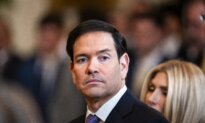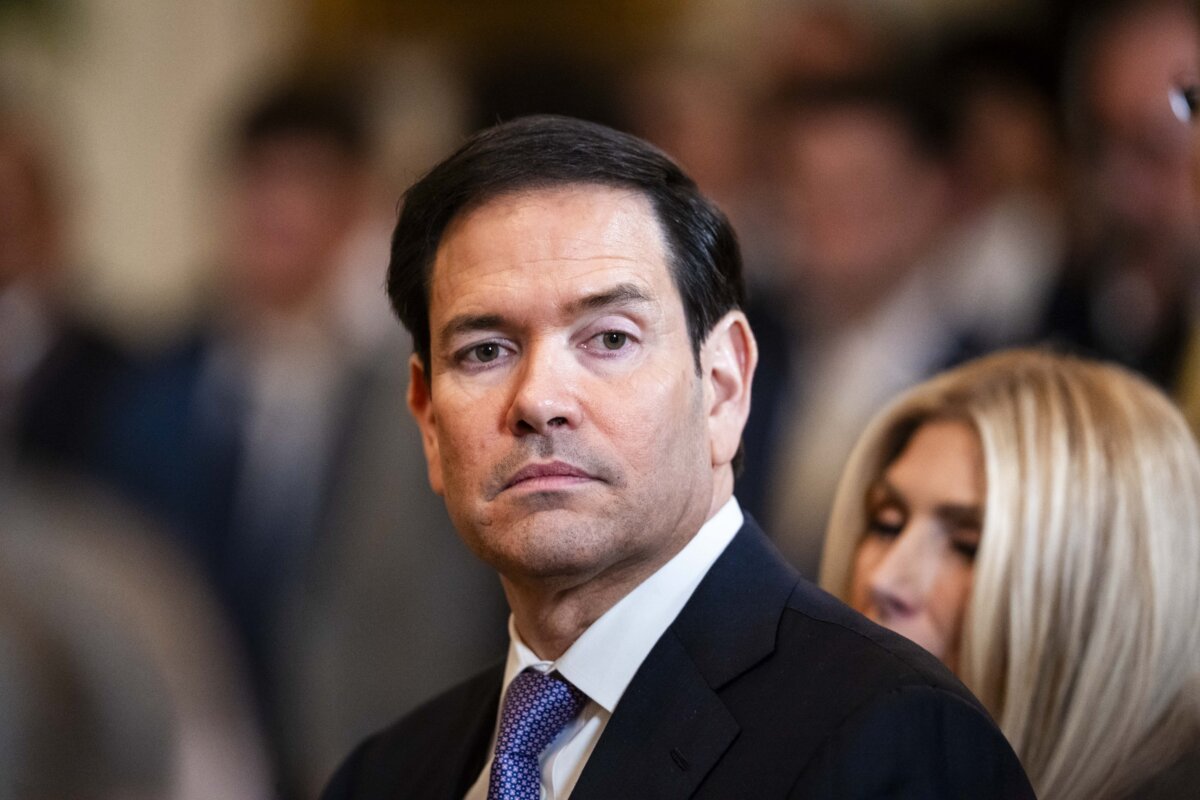

Ahead of a NATO meeting in Helsingborg, Sweden, U.S. Secretary of State Marco Rubio said that the NATO alliance has to work for all members, adding that he expects the meeting will set the groundwork for the NATO leaders’ summit in Ankara, Turkey, later this year.
“Like any alliance, it has to be good for everyone who’s involved. There has to be a clear understanding of what the expectations are,” Rubio said on May 22.
U.S. President Donald Trump has criticized some NATO allies for not aiding the United States in its operation against the Iranian regime. This includes Spain, which closed its airspace to U.S. aircraft involved in the conflict with Iran.
“I’m very disappointed in NATO,” Trump told reporters in April. “Remember what I said. NATO was not there. Now they want to come up, but there’s no real threat anymore. But NATO was not there for us.”
The president said at the time that NATO’s role will “be under very serious examining” following the conflict.
Rubio told reporters on Friday that while he had defended and supported NATO, it has to work for the United States, as well.
“I don’t think anyone is shocked to know that the United States and the president, in particular, is very disappointed at NATO right now. … Why is NATO good for America? Because it gives us bases in the region that allow us to project power during a contingency in the Middle East or somewhere else,” he said.
“So, when that is the key rationale for why you’re in NATO, and then you have countries like Spain denying us the use of these bases, well then why are you in NATO?”
Rubio said other countries in the alliance have been helpful, but that these issues still need to be addressed.
Reciprocal Relationship
The secretary of state’s remarks echo those he made on March 30, when he said that the United States must reexamine its relationship with NATO because members did not help in the Iran conflict.
He said that while he supported NATO, his backing for the alliance was based on the assumption of reciprocal arrangements.
“But if NATO is just about us defending Europe if they’re attacked, but then denying us basing rights when we need them, that’s not a very good arrangement,” he said.
Trump had also told British newspaper The Telegraph in an interview published April 1 that his request for assistance in the Strait of Hormuz was a test that allies failed, and that he was considering pulling out of the defense alliance.
Describing the alliance as a “paper tiger,” Trump said removing the United States from the pact was “beyond reconsideration.”
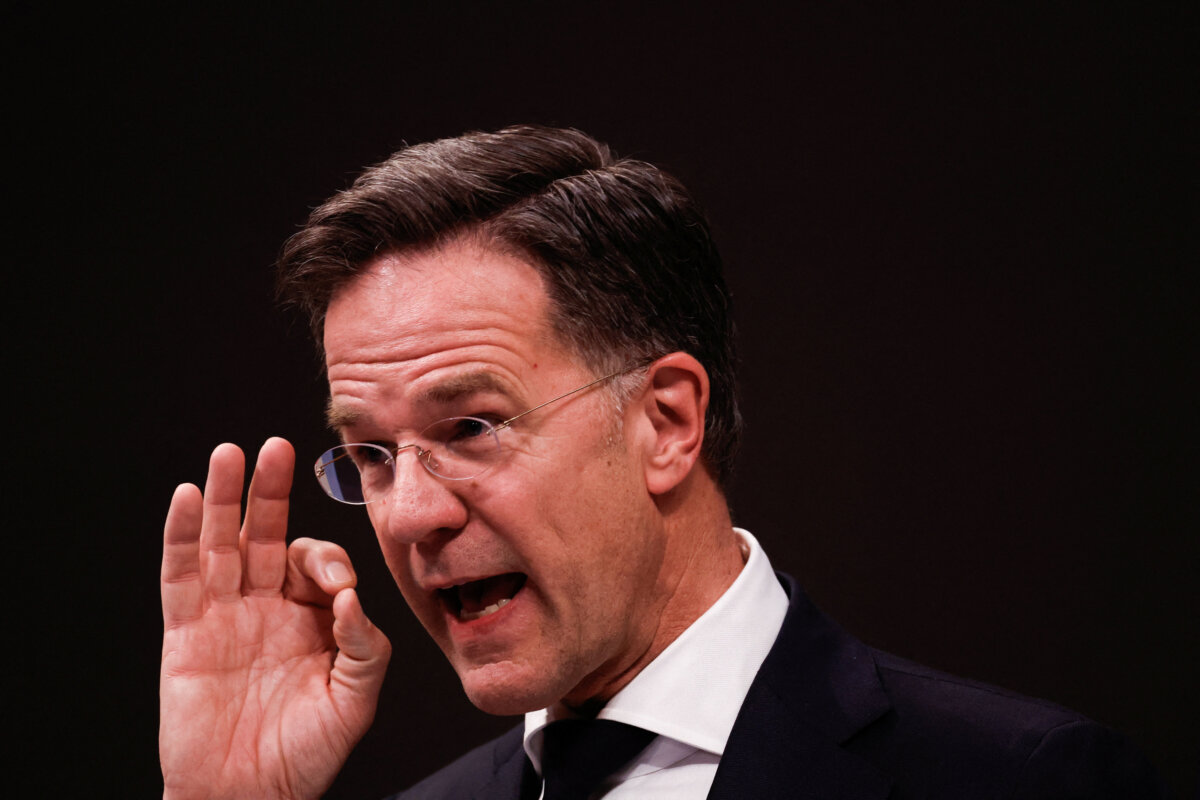
Earlier this month, NATO Secretary-General Mark Rutte said that allies had “gotten the message” from Trump about agreements allowing the United States to access European bases.
“Yes, there has been some disappointment from the U.S. side, but Europeans have listened,” Rutte told reporters at a European Political Community summit in Armenia on May 4.
“They are now making sure that all the bilateral basing agreements are being implemented.”
US Reorients Defense Priorities
The United States has, under the Trump administration, begun to reorient its defense priorities, pivoting away from Europe.
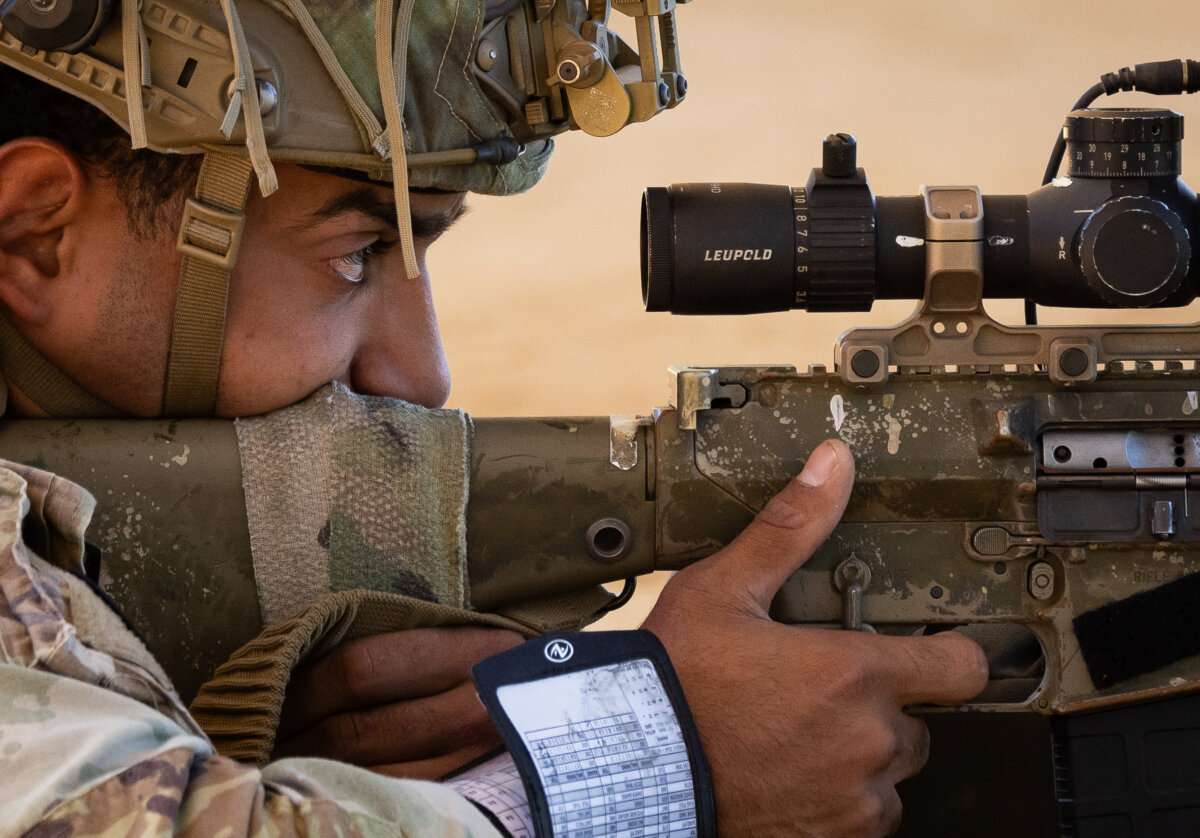
The Pentagon on Jan. 23 released its National Defense Strategy, which outlines the U.S. plan to prioritize homeland defense, including by “defending America’s interests throughout the Western Hemisphere.”
It also said the United States would encourage partners in other parts of the world, including Europe, to take primary responsibility for their own defense “with critical but limited support from U.S. forces.”
Guy Birchall, Jack Phillips, and Reuters contributed to this report.
 Friends Read Free
Copy
Facebook
Tweet
Friends Read Free
Copy
Facebook
Tweet