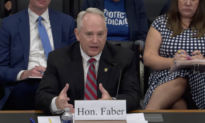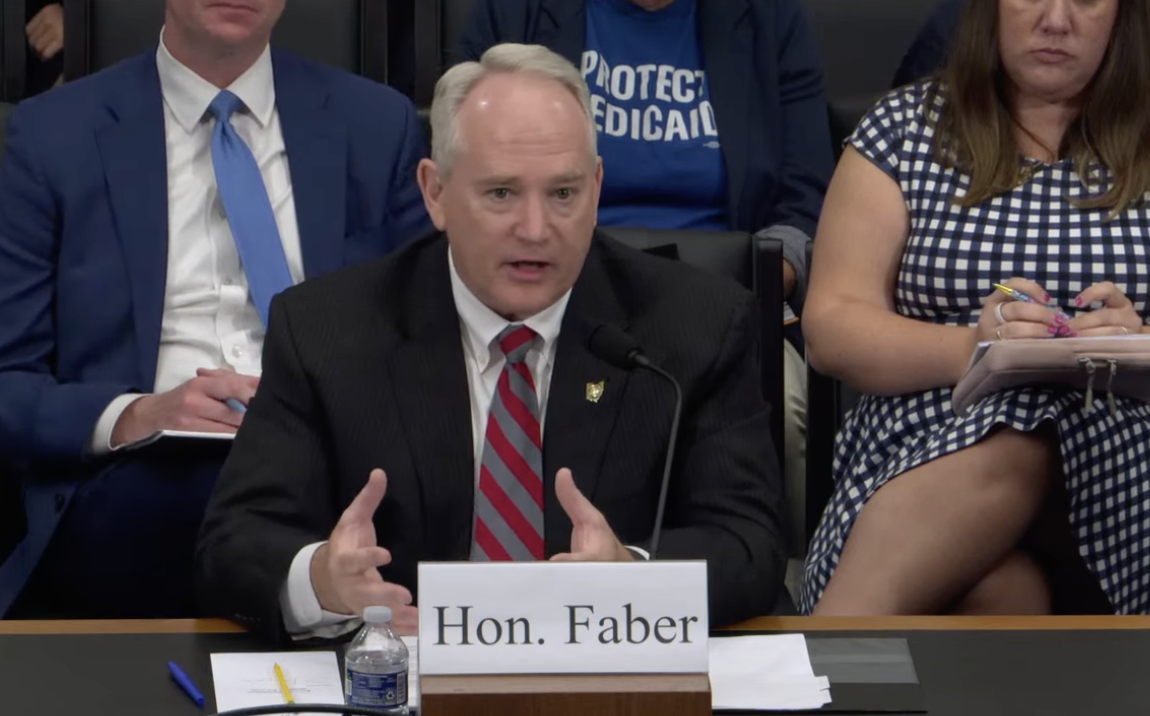
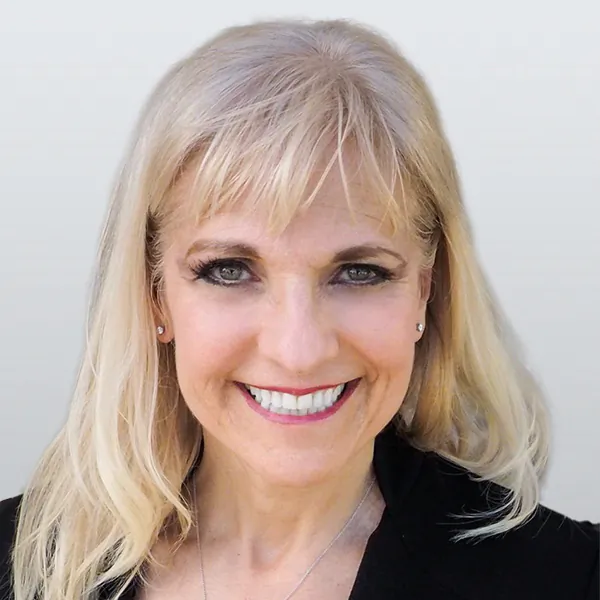
Ohio Auditor Keith Faber, in testimony to a new congressional task force in Washington on June 3, said his office recently found that nearly 16 percent of Medicaid claims were “ineligible,” which could total $4.4 billion in fraud.
Those findings were part of a comprehensive audit released earlier this year, Faber told the Task Force on Defending Constitutional Rights and Exposing Institutional Abuses.
Task force member Rep. James Comer (R-Ky.) asked Faber why the Medicaid programs seem to be “so susceptible” to fraud.
Faber replied that big government programs have relied on a “trust” model.
“You sign up; you say you’re eligible. We’ll believe you,” he said, calling for a change in that approach. “We need to be less trusting and more verifying.”
In Ohio and across America, fraudsters have learned how to game the system, Faber said. At the same time, people who administer the programs “have failed to protect taxpayers,” he said, because “core safeguards have been compromised, removed, or simply ignored.”
Faber was among four witnesses who testified at the task force’s first hearing. Titled “Universal Basic Fraud: Vulnerabilities in Medicaid Waiver Programs,” the hearing aimed to shed light on “the nature, scale, and scope of Medicaid fraud in Ohio,” said Rep. Brandon Gill (R-Texas), who heads the group.
Ohio has become a focal point for government program fraud concerns in recent months, following major fraud scandals that drew national attention to Minnesota. Fraudsters in both states—and elsewhere—followed the same basic pattern, Gill said. They took advantage of weaknesses in systems, and billed Medicaid for services that were never provided.
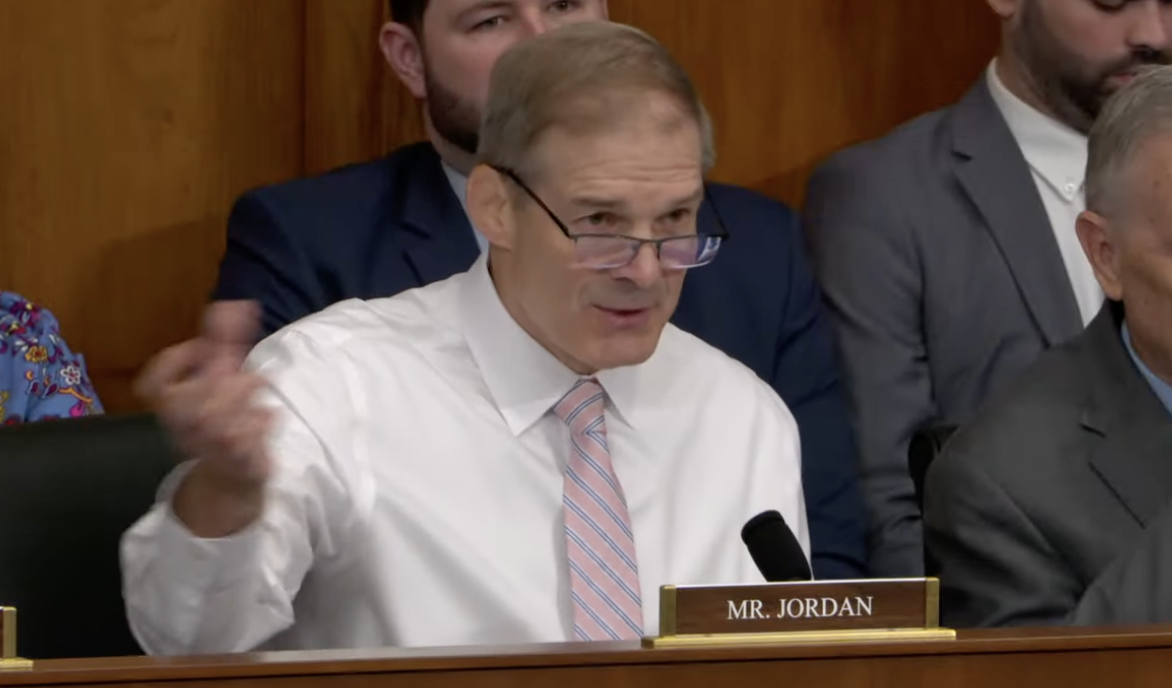
Rep. Jim Jordan (R-Ohio) cited differences between fraud issues in Ohio versus Minnesota.
Ohio “isn’t letting politics” impede anti-fraud efforts, Jordan said. He pointed to 153 indictments and 110 convictions on state charges in Ohio, saying that most Minnesota prosecutions were handled at the federal level.
In Minnesota, whistleblowers have publicly stated that they were called “racist” for raising concerns about fraud among Somali immigrants.
Jordan quoted a Minnesota state employee who said, “There was a perception that forcefully tackling this issue might cause political backlash among the Somali community, which is a core voting bloc.”
Minnesota and Ohio contain the nation’s two largest Somali enclaves. Dozens of Somalis were charged and convicted in Minnesota fraud cases. Officials have not estimated how much of Ohio’s government program fraud could be attributed to Somali immigrants.
However, “it’s not just the Somalis,” Gill said.
“It’s also Bhutanese,” he said, referring to people who came to the United States from Bhutan, an Asian country of about 800,000 people between China and India.
About 30,000 Bhutanese people live near Columbus, Ohio, the state capital. “[It’s] the largest concentration of Bhutanese-Americans now found outside of the country of Bhutan,” the Bhutanese Community of Central Ohio stated.
“There’s a network of foreigners running criminal fraud rings … defrauding our federal government,” Gill said, adding that they are “coordinating with each other” across multiple states.
“We can’t back down to fraud simply because of spurious accusations of racism,” he said.
Action is needed to safeguard “our constituents’ hard-earned tax dollars,” Gill said. “It’s also about saving our society from fraudsters and cheats—and protecting the availability of critical programs for the American people,” he said.
However, the group’s ranking member, Lateefah Simon (D-Calif.), and other Democrats said they suspected that Republicans had already decided that they want to cut the benefit programs, which would hurt needy people.
“The premise is that the public-benefit programs are inherently suspect … and that the people who rely on them should be viewed with both skepticism and distrust rather than compassion,” Simon said.
She called the services “lifelines” that bring stability to people facing crises.
While Faber was testifying, a woman was sitting in the gallery behind him, wearing a blue T-shirt printed with the words “protect Medicaid” in white capital letters.
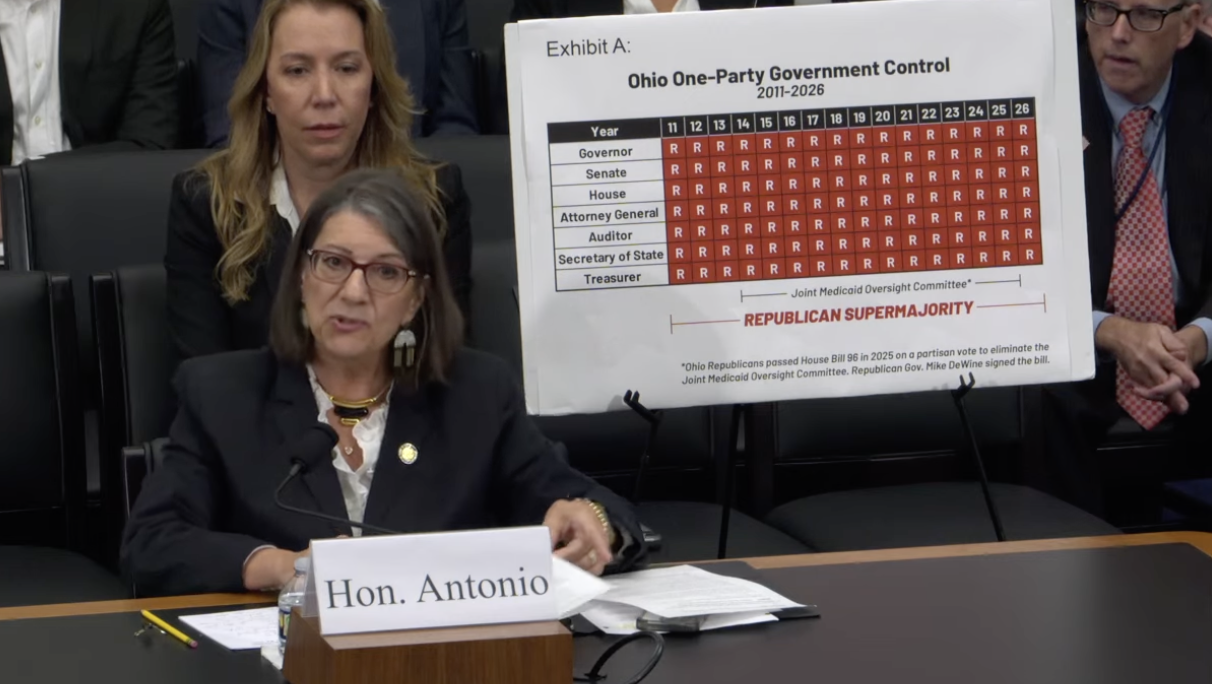
Ohio state Sen. Nickie Antonio, a Democrat from the Cleveland area, was also among the witnesses who testified. She pointed out that Republicans in Ohio have been in control for the past 15 years.
“They hold the House, the Senate, the governor’s office, and four statewide offices,” she said. “If there is fraud in Medicaid, it has happened on the Republican majority’s watch.”
But Faber, a Republican, said he and others in Ohio have tackled fraud head-on.
“Earlier this year, when significant Medicaid concerns surfaced in Ohio, we quickly shared our findings with the federal partners,” he said.
Faber said he testified multiple times before the Ohio General Assembly, “outlining the weaknesses our audits and reviews have identified, and urging lawmakers to strengthen oversight, accountability, and fraud prevention across the Medicaid program.”
The state auditor noted that his office’s authority is limited.
“Our role as auditors is not to administer the Medicaid programs or adjudicate eligibility decisions,” Faber said. “Our role is to identify weakness and controls, detect anomalies, investigate credible tips, and report findings, so corrective action can occur.”
Each agency administering the programs is then responsible for making changes, he said.
Since Faber took office in 2019, “we’ve identified more than $9 billion in unsupported or fraudulent public expenditures” across various government benefit programs, he said.
Most of those suspicious transactions occurred in unemployment and Medicaid programs.
 Friends Read Free
Copy
Facebook
Tweet
Friends Read Free
Copy
Facebook
Tweet