
Federal Trade Commission (FTC) Chairman Andrew N. Ferguson sent letters to more than a dozen major digital platforms, asking for their full compliance with the Take It Down Act by May 19, the agency said in a May 11 statement.
The Act “requires covered platforms to establish a process allowing victims, including children, to request removal of intimate photos or videos shared without their consent,” FTC said. “The letter specifies that covered platforms must provide clear and conspicuous notice about the removal process. They must also take down the nonconsensual images, and all identical copies, within 48 hours of receiving a valid request.”
The letters, sent to platforms such as Amazon, Alphabet, Apple, Automattic, Bumble, Discord, Match Group, Meta, Microsoft, Pinterest, Reddit, SmugMug, Snapchat, TikTok, and X, described requirements of the law as well as penalties for not complying with the regulations.
The FTC said that any business that primarily provides a forum for user-generated content, or publishes or furnishes intimate content shared without consent, may fall under the purview of the Take It Down Act. The regulation is applicable to real nonconsensual intimate photos as well as “digital forgeries” created via software, app, or AI.
Platforms are required to make it easy for victims to submit removal requests, including by potentially putting a notice about the Act on homepages as well as all locations where intimate content may appear.
The platforms should make it easy for people to track the status of their removal requests. Once an individual files a request, platforms are obliged to find and remove duplicate images or videos without the person requesting removal again.
The FTC warned it will “vigorously” enforce the Take It Down Act, with each violation potentially resulting in civil penalties of $53,088.
“No one should profit from the proliferation of nonconsensual intimate images or deepfakes,” Ferguson said in a May 11 post on X.
“Victims, especially minors, need to be protected from the degenerates who produce this material for blackmail or even more depraved motives. The Trump-Vance FTC is doing just that.”
The Epoch Times reached out to Alphabet, Discord, Meta, Reddit, and Snapchat for comment but did not receive a response by publication time.
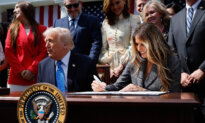
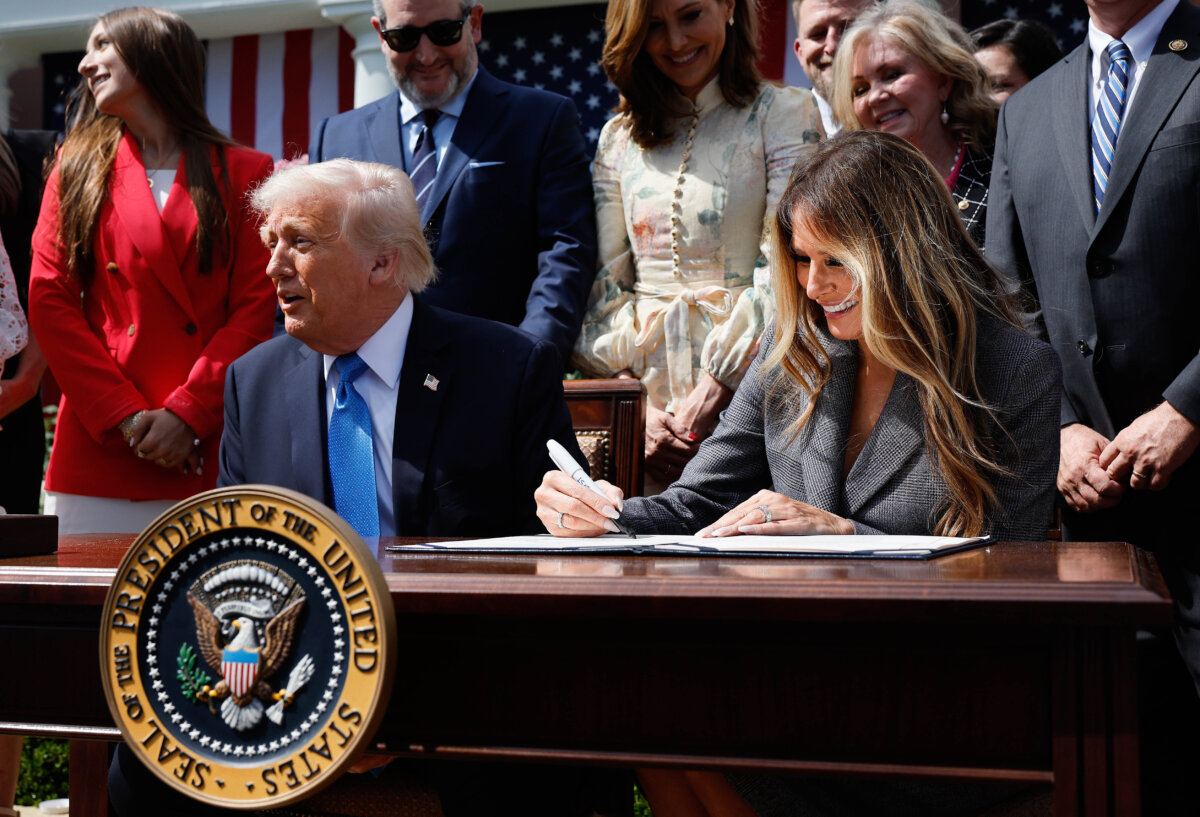
The Act, championed by First Lady Melania Trump, was signed into law by President Donald Trump on May 19, 2025. It had wide bipartisan support and was passed in the Senate on Feb. 13, 2025, followed by the House of Representatives on April 28.
The Take It Down Act was inspired by a Texas teen, Elliston Berry, who was a victim of deepfake pornography when she was 14 years old.
When the fake images began circulating on a social media platform, Berry’s mother repeatedly contacted the company to take them down. However, it was only after Sen. Ted Cruz’s (R-Texas) office got involved that the images were removed.
Last month, a man from Columbus pleaded guilty to cybercrimes, including creating AI-generated obscene content of adults and children. He is the first individual in the United States to be convicted under the Take It Down Act.
Prosecutors said he sent nude images, both real and AI-generated, to at least six adult females in a harassment campaign between December 2024 and June 2025. The defendant was accused of posting AI-generated obscene content of children, generating the faces from his community’s minor boys.
“We will not tolerate the abhorrent practice of posting and publicizing AI-generated intimate images of real individuals without consent,” U.S. Attorney Dominick S. Gerace II said.
Concerns
In an April 2025 post, the Cato Institute said the takedown provision of the Take It Down Act can be abused to silence legitimate speech.
“To give a high-profile example of potential abuse, politicians are frequently mired in sexual scandals. Criticism of such leaders can often include sexual claims and depictions, whether they be suggestive and embarrassing pictures or more explicit art,” the post said.
“A politician could easily make a claim that such sexual depictions, even if legal and in the public interest, are NCII and must be removed by the platforms. The companies, erring on the side of over-removing content, will inevitably remove large amounts of political criticism.” NCII refers to non-consensual intimate imagery (NCII).
In addition to politicians, businesses, activists, and others can abuse the law to silence their opponents and stifle key conversations occurring in society, CATO said.
 Friends Read Free
Copy
Facebook
Tweet
Friends Read Free
Copy
Facebook
Tweet