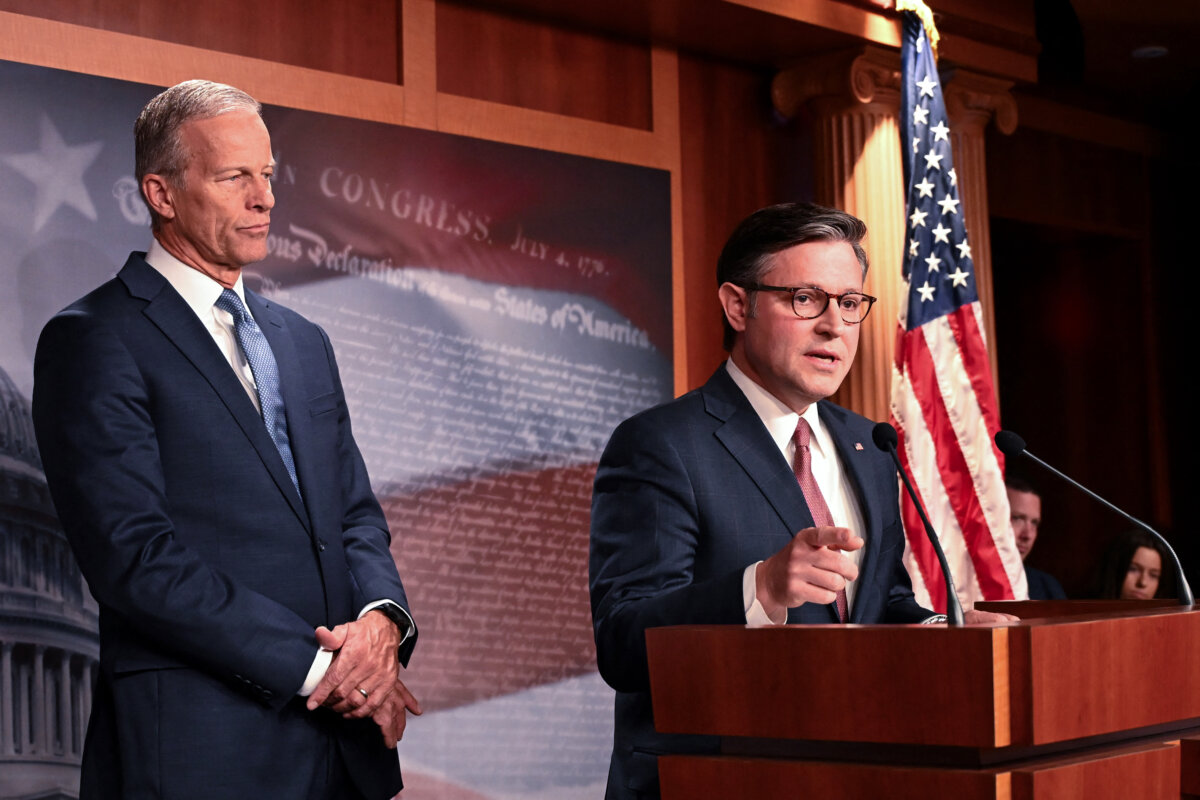

WASHINGTON—The SAVE America Act, which would require voter ID in elections and citizenship verification in voter registration, has a champion in President Donald Trump, who has refused to sign a major housing bill until the Senate advances the election integrity legislation.
Yet the prospects of passage anytime soon seem to be dimming.
The measure, which polling suggests is popular with many Americans, has already made it through the House of Representatives. It has stalled in the Senate for months.
Senate Majority Leader John Thune (R-S.D.) has faced Republican defectors on the bill and resisted a risky procedural maneuver that the bill’s proponents believe could deliver a victory. Those considerations have not appeased the diehard SAVE advocates.
The Senate’s departure for a multi-week recess escalated tensions as Congress mulls supplemental defense spending, the farm bill, and other legislation that could lose steam if SAVE dominates business.
Some House Republicans are demanding that their Senate colleagues act, criticizing Thune and other GOP colleagues in the upper chamber and even raising the specter of delays in the House.
In an interview with The Epoch Times, Rep. Andrew Clyde (R-Ga.) had a message for Thune on SAVE: “Put it on the floor and debate it. Make them debate and tell the American people why they don’t have the votes.”
Clyde and other members of the House Freedom Caucus, a conservative faction in the chamber, held a June 25 press conference calling on the Senate to pass the legislation.
Other Republicans have warned of the possible downsides of a full-bore push on the act ahead of the midterms.
“You’re setting up here for a big disappointment on something that nobody thinks will happen. It will not happen, because it’s easy to filibuster to the end of the year,” Rep. Glenn Grothman (R-Wis.) told The Epoch Times.
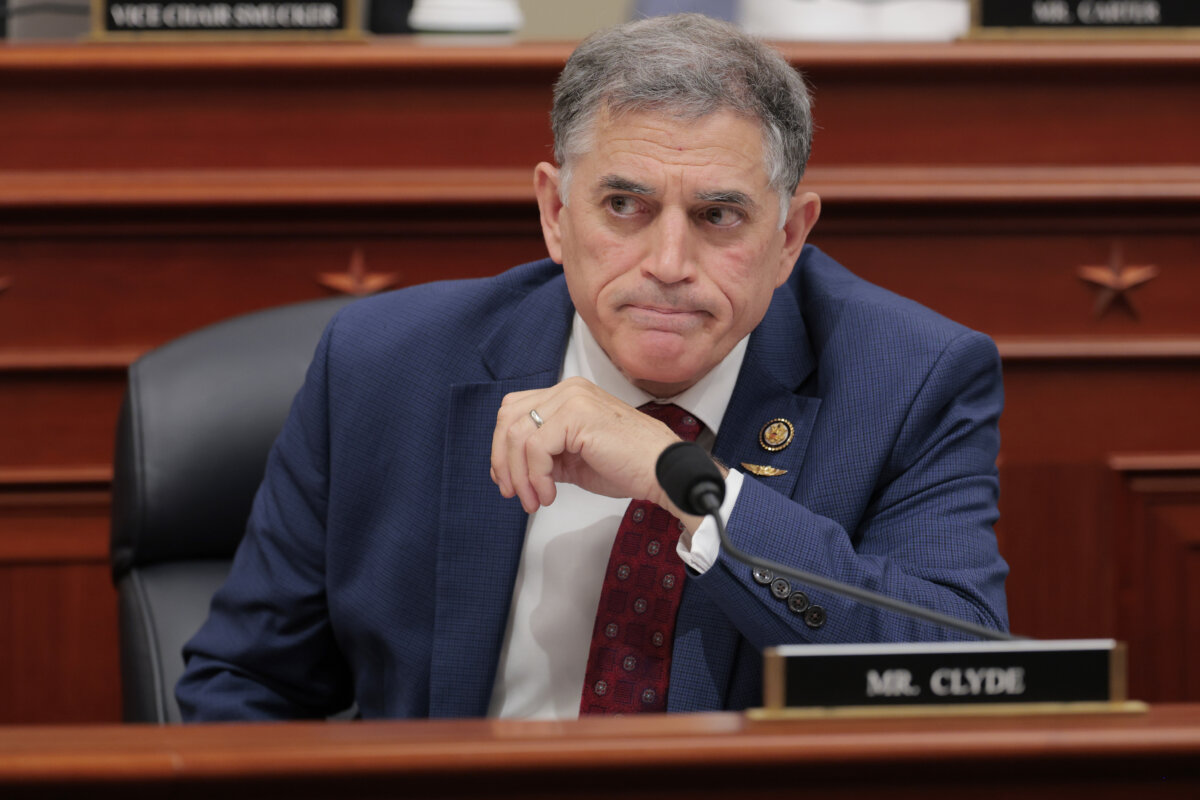 Rep. Andrew Clyde (R-Ga.) listens during a markup hearing with the House Budget Committee on Capitol Hill on May 16, 2025. (Anna Moneymaker /Getty Images)
Meanwhile, although the act itself was found to violate a key rule governing budget reconciliation, House Speaker Mike Johnson (R-La.) has floated incorporating a SAVE-like grant program into a third such bill this Congress, which would enable Republicans to advance their priorities with a simple majority in the Senate.
Yet the prospect of more reconciliation this Congress—and the scope of a grant program in matching the expectations around SAVE—has also drawn skepticism from lawmakers.
Filibuster Blues
Thune devoted late March to a Senate debate on the bill in a process that drew criticism from Senate Democrats.
The legislation would require 60 votes to overcome the Senate filibuster. Republicans have just a 53-seat majority in the chamber. In addition, four Republican senators—Sens. Susan Collins (R-Maine), Lisa Murkowski (R-Alaska), Mitch McConnell (R-Ky.), and Thom Tillis (R-N.C.)—opposed the legislation in a June vote.
Thune has resisted using what is known as the “standing filibuster” to wear down opposition.
Grothman and some other Republicans fear that the time-consuming process could allow for amendments that GOPers on the other side of the Capitol would find it challenging to oppose, particularly as reelection fights loom for many.
“Senators do not like to take tough votes on amendments,” the Wisconsinite told The Epoch Times.
“I don’t think Republican leadership has been honest with President Trump on the difficulty [of passing the bill],” he said.
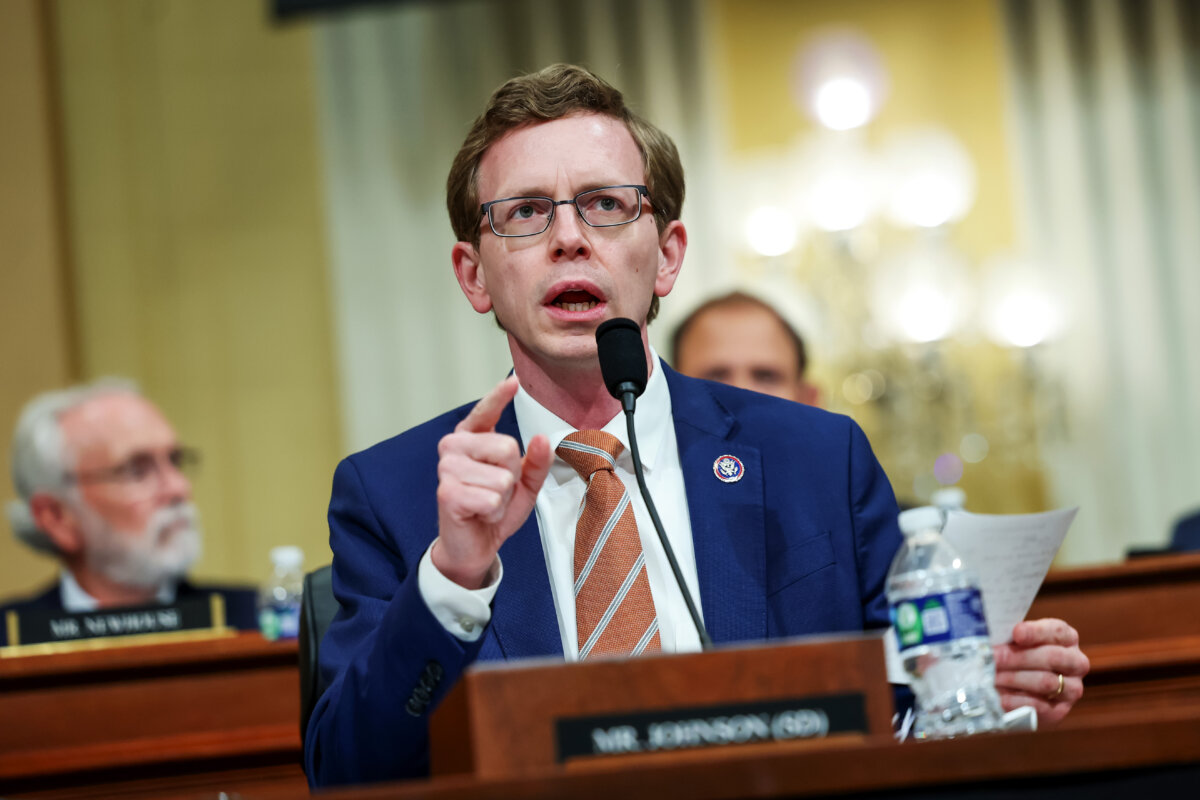
Rep. Dusty Johnson (R-S.D.), who is leaving Congress and running for governor of South Dakota, defended Thune’s approach to the bill.
“I’m a little frustrated with people who think that demands will somehow change the underlying reality of how the Senate functions,” he told The Epoch Times.
Other Republicans, such as Rep. John Rose (R-Tenn.), have doubled down on SAVE and criticism of the majority leader.
“If he can’t get the votes, then he should step aside and let a Republican who is up to the task take over,” Rose said of Thune, adding that he hopes voters in November hold senators accountable for their stances now.
Sen. Rick Scott (R-Fla.)—a conservative rival of Thune in the 2024 election for Senate GOP leadership—told The Epoch Times he sees a path involving the standing filibuster.
Like other advocates, he noted that a similar maneuver led to the passage of the Civil Rights Act of 1964.
“We should try everything,” he said when asked whether he sees alternative measures for passing voter ID, proof of voter registration, or other SAVE elements, although he did not provide any specifics.
Reconciling SAVE
One alternative for advancing at least parts of SAVE could come through budget reconciliation.
The Senate parliamentarian, a referee on the upper chamber’s complex and hotly debated rules, found that SAVE does not meet the criteria to make it into a reconciliation bill.
Mike Johnson touted another possibility on June 24.
“We believe that if you create a grant program that ties it to reconciling the budget and you allow blue states, if they come to their senses and they want to avail themselves to election integrity proposals and ideas and policies, they can draw down from a federal fund and use those funds,” he said.
The proposal resembles one from Rep. Julie Fedorchak (R-N.D.), responsible for the SAVE America Through Real ID Act.
A Fedorchak staffer told The Epoch Times by email that “leadership is extremely supportive of this effort” and that “the White House is also aware and [appreciative] of the effort.”
Not all SAVE advocates are on board with the strategy.
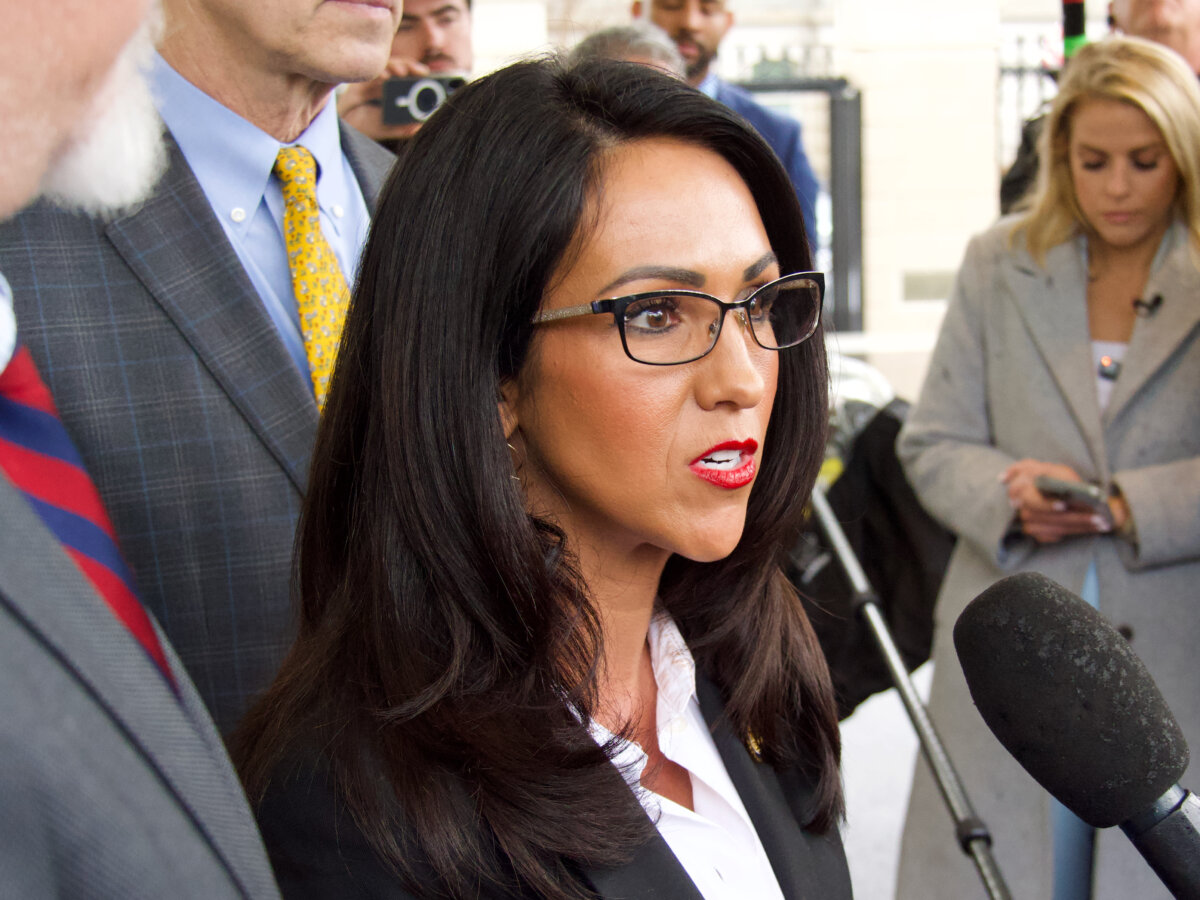
In the June 25 House Freedom Caucus press conference, Rep. Lauren Boebert (R-Colo.) said that blue states would shy away from participating in a voluntary grant program.
“You have got to connect it to existing funds if that is the route you’re going to go,” she said.
There could be even more fundamental difficulties with the approach.
Although Mike Johnson and some other Republicans have vowed that another reconciliation bill will move forward, other key players beg to differ.
Earlier in June, Collins and McConnell agreed that the likelihood that another such package would reach the finish line was low.
Working the Floor
The SAVE dispute has verged on snarling the lower chamber, as Rep. Anna Paulina Luna (R-Fla.) vowed on June 24 to hamstring procedural votes after the Senate left Washington for a multi-week recess.
Rep. Tim Burchett (R-Tenn.)—like Luna, a staunch conservative—said that same day he was “not against” her stand, telling reporters that representatives should “go to the mat” for SAVE.
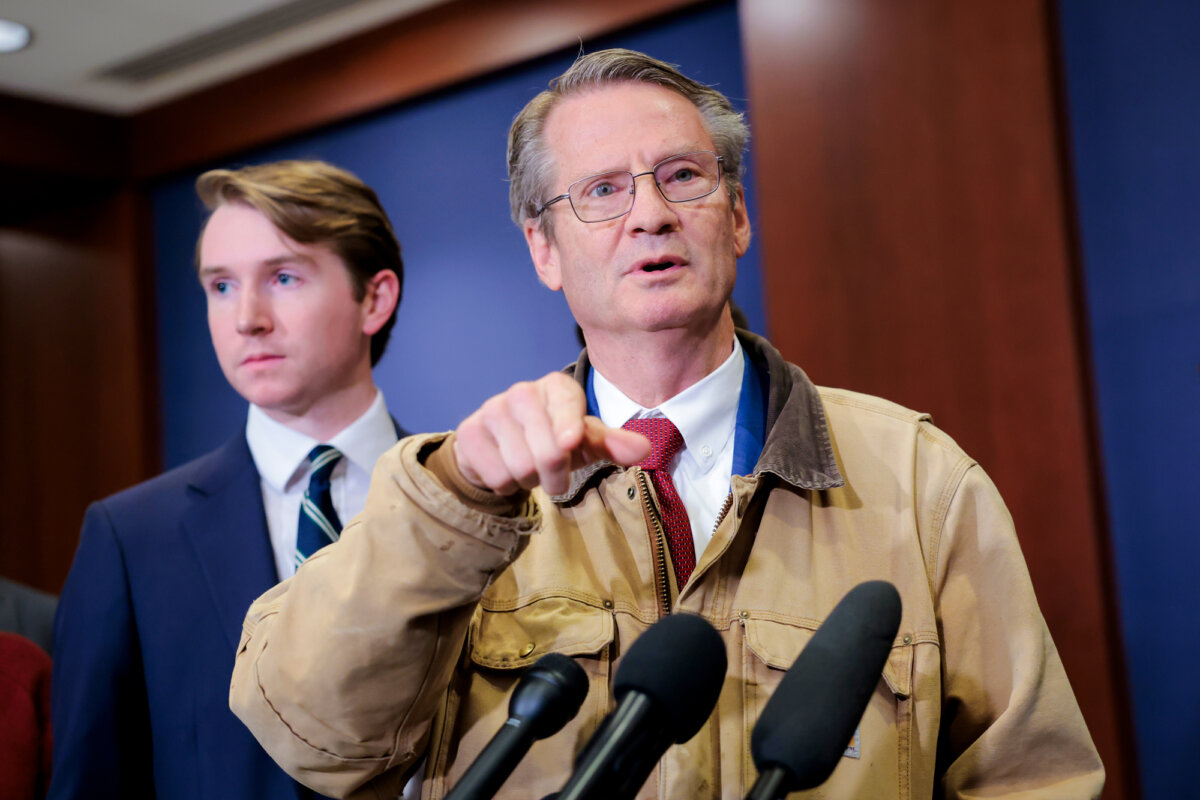
Dusty Johnson told The Epoch Times on June 25, “I’m a little surprised that supposed conservatives are interested in shutting down Republican majorities.”
Later that same day, the man largely driving the SAVE push weighed in on Truth Social.
Trump urged Republicans “stop voting down ‘rules’ or, threatening to do so,” writing that such moves would empower Democrats.
Luna has subsequently sought to tie SAVE America to the National Defense Authorization Act.
 Friends Read Free
Copy
Facebook
Tweet
Friends Read Free
Copy
Facebook
Tweet