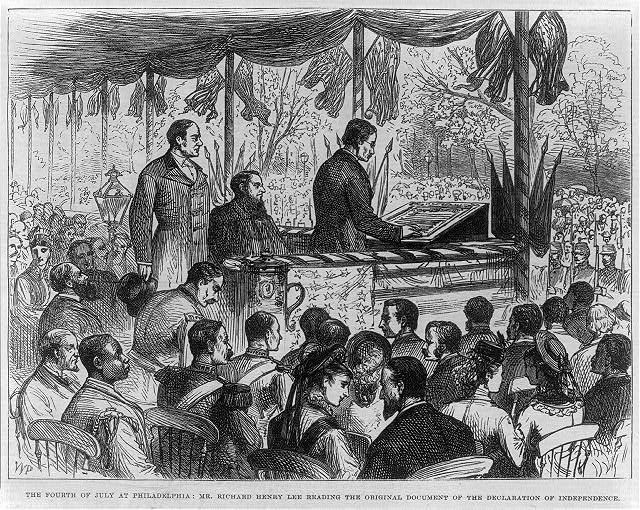
Of the 56 delegates who signed the Declaration of Independence, two were brothers. Richard Henry Lee and Francis Lightfoot Lee both represented Virginia in the Continental Congress, but it was Richard as the older of the two who introduced the formal resolution that led to the Declaration of Independence.
The Lee Resolution, also known as “The Resolution for Independence,” was introduced on June 7, 1776. The controversial resolution proposed the colonies formally break from England.
Widely known for his eloquent and persuasive oratory skills, Richard Henry Lee has been referred to as the “Cicero” of the American Revolution. Not all the delegates agreed with Lee’s resolution though, and amid some heated debate, John Hancock, the president of Congress at the time, tabled the controversial resolution to give the colonies and their delegates time to consider.
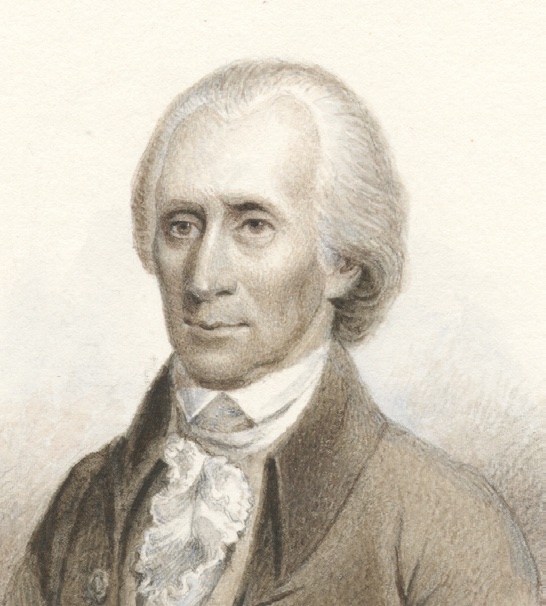
The Lee Resolution was formally adopted on July 2, and the final text of the Declaration of Independence was approved on July 4. On Aug. 2, the Lee brothers and 48 other delegates signed the engrossed parchment held today at the National Archives in Washington.
One has to wonder if this Founding Father knew then how much his resolution would change history forever.
The Aristocrat With Revolutionary Zeal
At age 16, Richard Henry Lee moved to England to receive a classical education at Wakefield Academy in Yorkshire. His exposure to English political thought and Enlightenment principles helped shape his ideas on colonial rights and honed his rhetorical skills. After graduation, he traveled throughout Europe for a year before returning to the colonies in 1753 to help manage his family’s estates.
Lee’s parents both hailed from prominent Virginia families. His father Thomas was a wealthy planter and merchant who served as a member of the Virginia Council of State, including as its president in 1749. He also served as the acting governor of Virginia for a year.
Lee and brothers Philip, Thomas, Francis, and Arthur all followed in their father’s footsteps and engaged in local and national politics. Another brother, William Lee, served as an American diplomat to Europe during the Revolutionary War. In 1758, Lee replaced his older brother Philip in the Virginia House of Burgesses, quickly establishing himself as a skilled orator and stout opponent of British taxation policies.
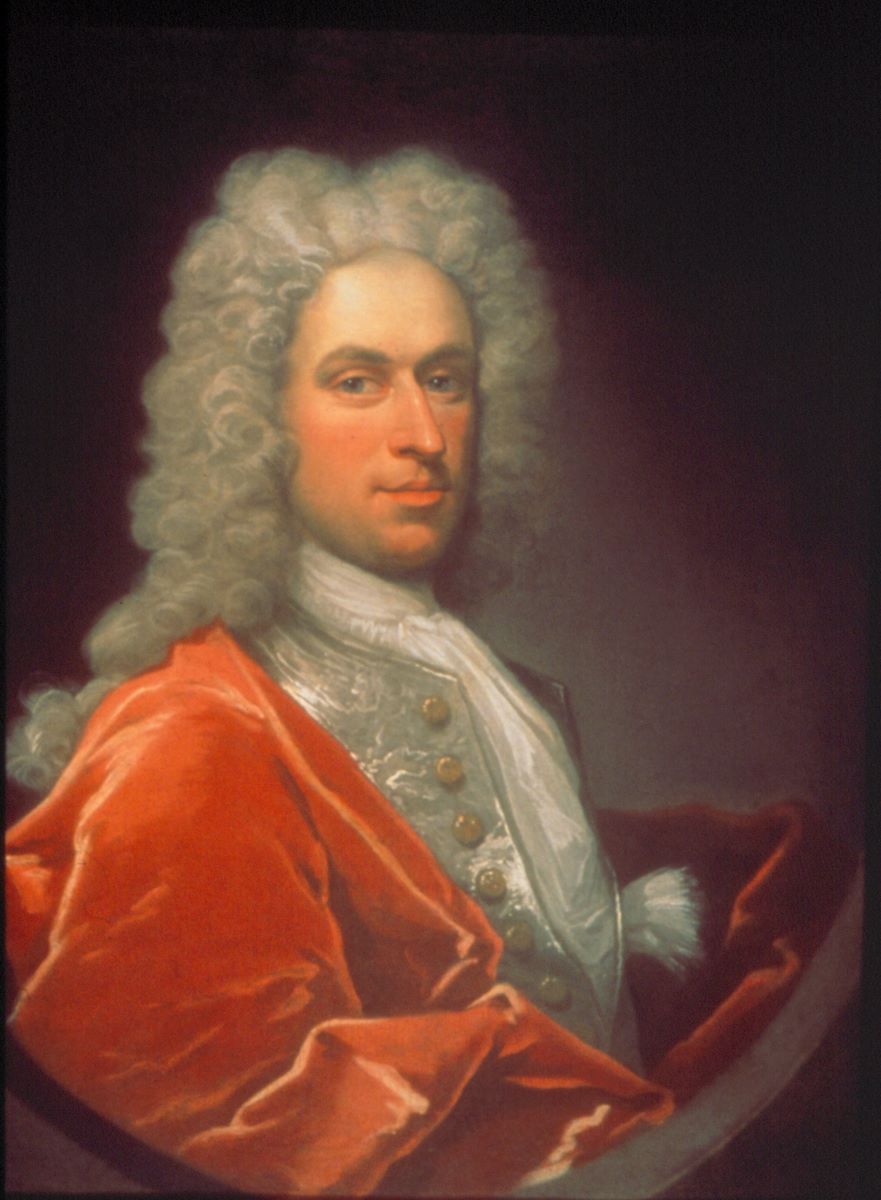
After Britain’s passage of the Stamp Act in 1765, Lee was the primary author of the resolutions opposing that measure. The result was the Westmoreland Association, a voluntary organization established to actively resist British tax enforcement. That action was one of the earliest organized efforts resisting British taxation in the colonies. Lee contended that only the colonial government could tax Virginians. As significant as that action was, however, it wasn’t until a decade later, as a Virginia delegate to the Continental Congress, that Lee’s talent as an orator and statesman awarded him greater national prominence.
The Lee Resolution
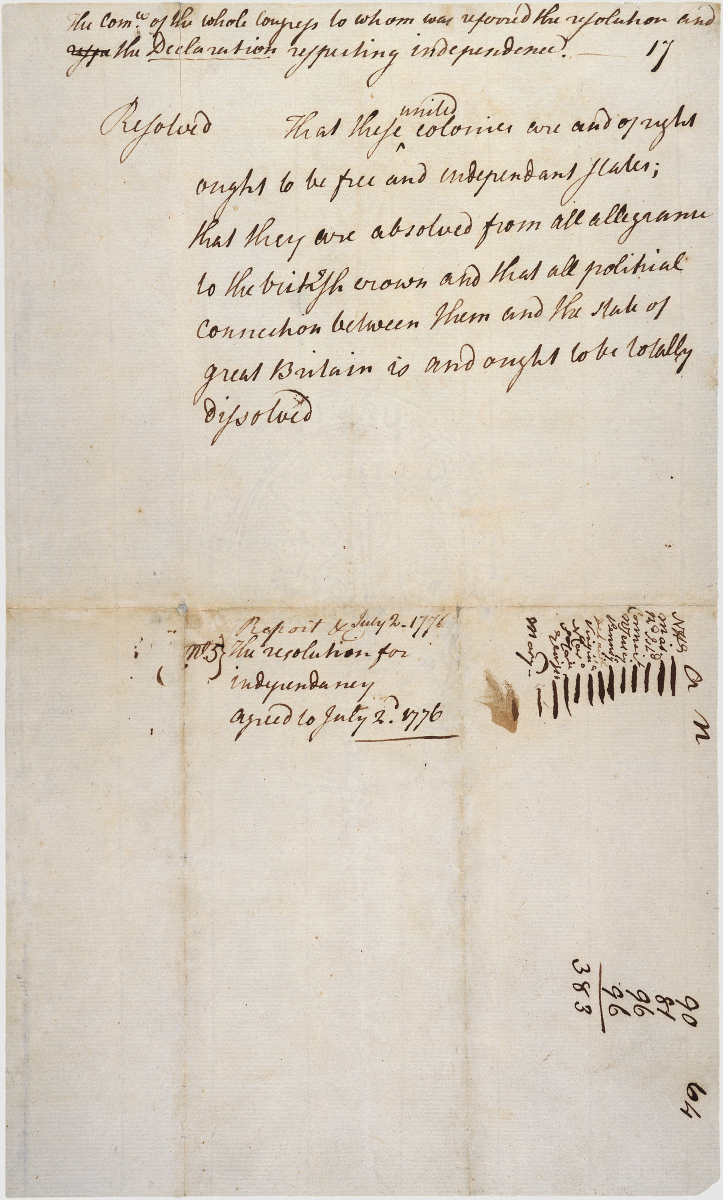
This historic document consisted of three parts: a declaration of independence from England; a recommendation to form foreign alliances, and a plan for the colonies to unite in a confederation. After the resolution was introduced on June 7, 1776, a committee chaired by Thomas Jefferson was formed for the purpose of drafting a formal declaration.
Lee’s resolution, emphasizing the colonists’ desire for self-governance and a mutual confederation, shaped the eventual Articles of Confederation and served as a blueprint for an enduring federal government structure.
When presenting his resolution, Lee insisted the action was necessary because of England’s repeated rejections of colonial petitions. Also, the two sides had already engaged in hostilities the year before at Lexington and Concord and the Battle of Bunker Hill.
The Virginia native’s efforts and persuasiveness paid off. The July 2 vote approving Lee’s Resolution was unanimous among the 12 colonial delegations, though New York abstained due to lacking instructions from its state-governing body.
Like those preceding and following him as presidents of Congress, Lee quickly learned the role was primarily ceremonial and lacked the authority guaranteed to presidents by the U.S. Constitution. Among the issues Lee confronted was Congress’s inability to authorize taxes needed to pay financial obligations, states pursuing their own independent trade policies with foreign nations, and frequent lack of a quorum that delayed legislative work.
One accomplishment Lee is credited with was overseeing the adoption of the Land Ordinance of 1785. It fueled western expansion with the aim to increase the government’s revenue.
The Bill of Rights
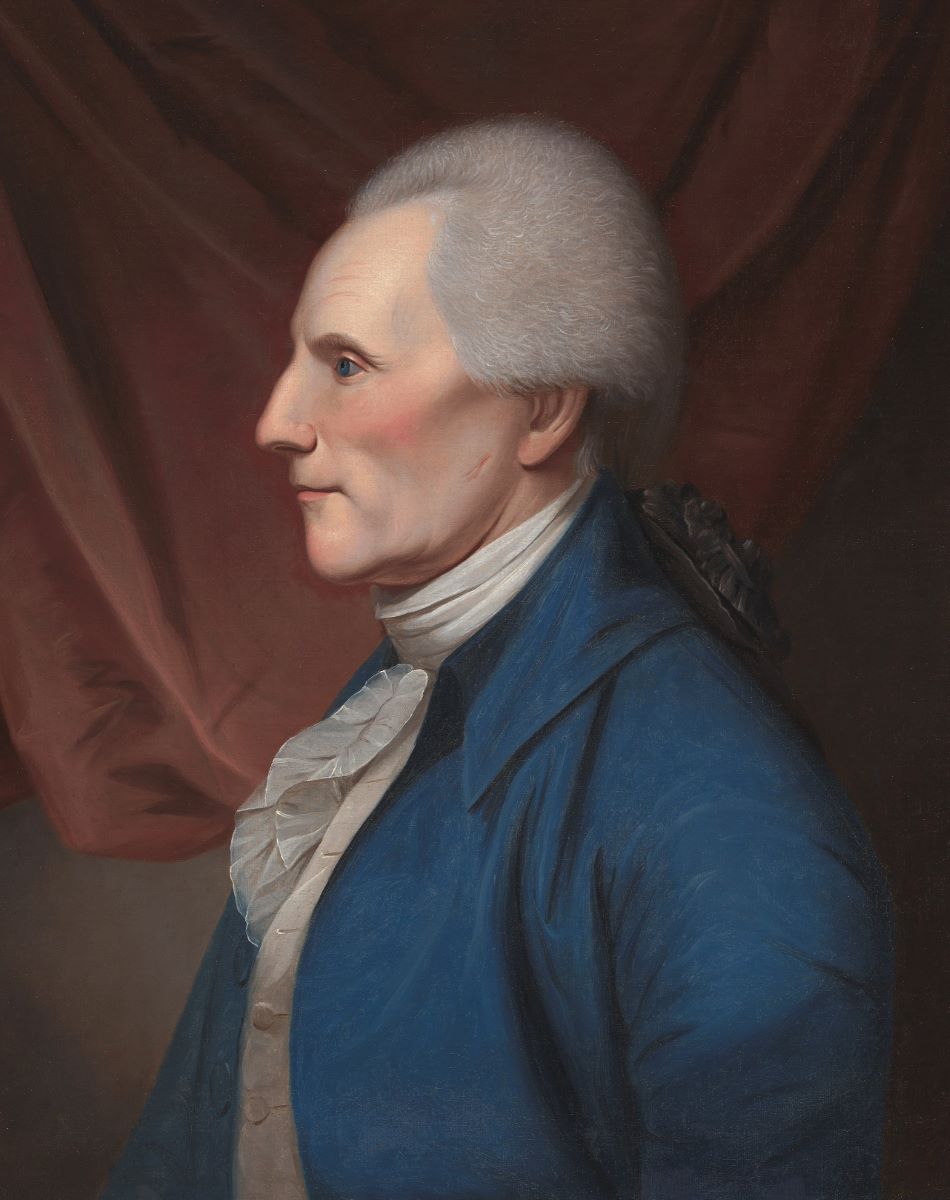
Lee was serving as a Virginia delegate to the Confederation Congress when the Constitution was introduced. A passionate anti-Federalist who believed passionately in states’ rights and decentralized government, he voted against the Constitution as written unless certain amendments were included. Lee was worried that, without safeguards, the national government would be too powerful, and he saw that as a betrayal to the sovereignty pledged in the Declaration of Independence.
James Madison is usually associated with the Bill of Rights because he introduced those amendments in 1789, but Lee proposed his set of constitutional amendments in 1787, many of which Madison included in his amendments two years later.
What arts and culture topics would you like us to cover? Please email ideas or feedback to features@epochtimes.nyc.