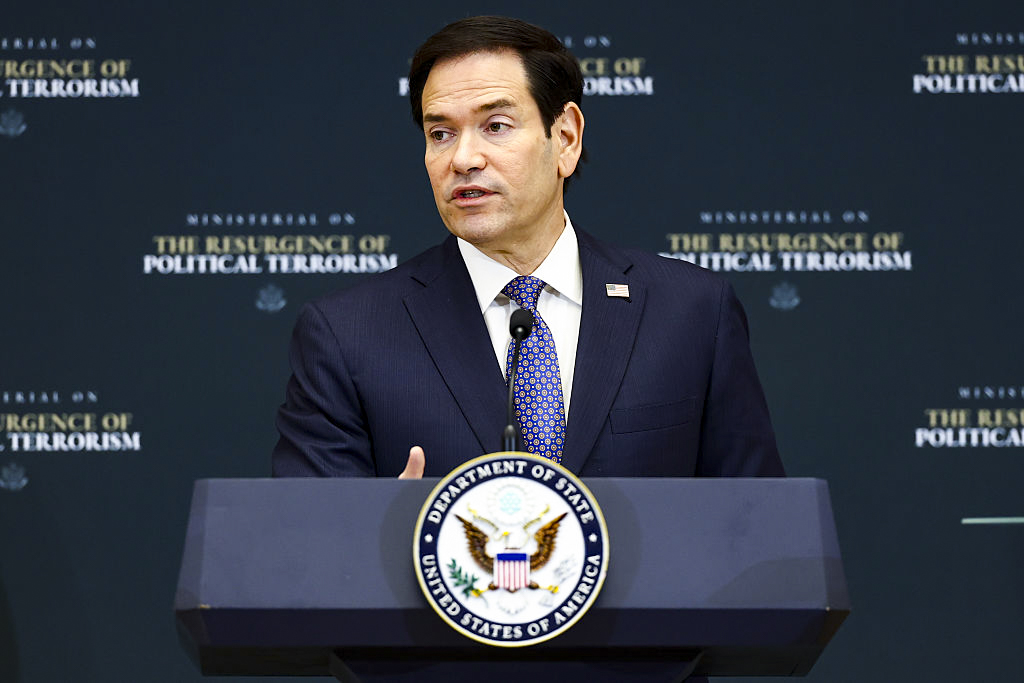

Secretary of State Marco Rubio has announced a new visa restriction policy targeting members of “far-left terrorist” organizations and allied groups, expanding a broader effort to focus U.S. counterterrorism policy on addressing threats posed by what the administration considers left-wing extremist networks operating across national borders.
The new policy, unveiled in a July 16 statement from the State Department, would restrict entry into the United States for foreign nationals accused of supporting or encouraging acts of terrorism, financing violent activities, participating in economic sabotage, or providing logistical assistance to organizations that the Trump administration says seek to advance political goals through violence.
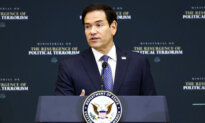
“Foreigners who finance, incite, or aid and abet Far-Left Terrorists are enemies of our civilization,” Rubio said in a post on X. “They are not welcome in the United States.”
Rubio said far-left terrorist organizations and aligned groups often leverage sophisticated networks to perpetrate violence as a political tool. He accused such groups of using bombings, assassinations, intimidation campaigns, and other forms of violence in order to undermine democratic processes and “implement an extreme political vision.”
The State Department said the measures are being implemented under Section 212(a)(3)(C) of the Immigration and Nationality Act, which allows the secretary of state to bar entry to foreign nationals whose presence is deemed potentially harmful to U.S. foreign policy interests.
No immediate details were provided on when the restrictions would take effect or which specific organizations or individuals would be targeted.
Broader Counterterrorism Push
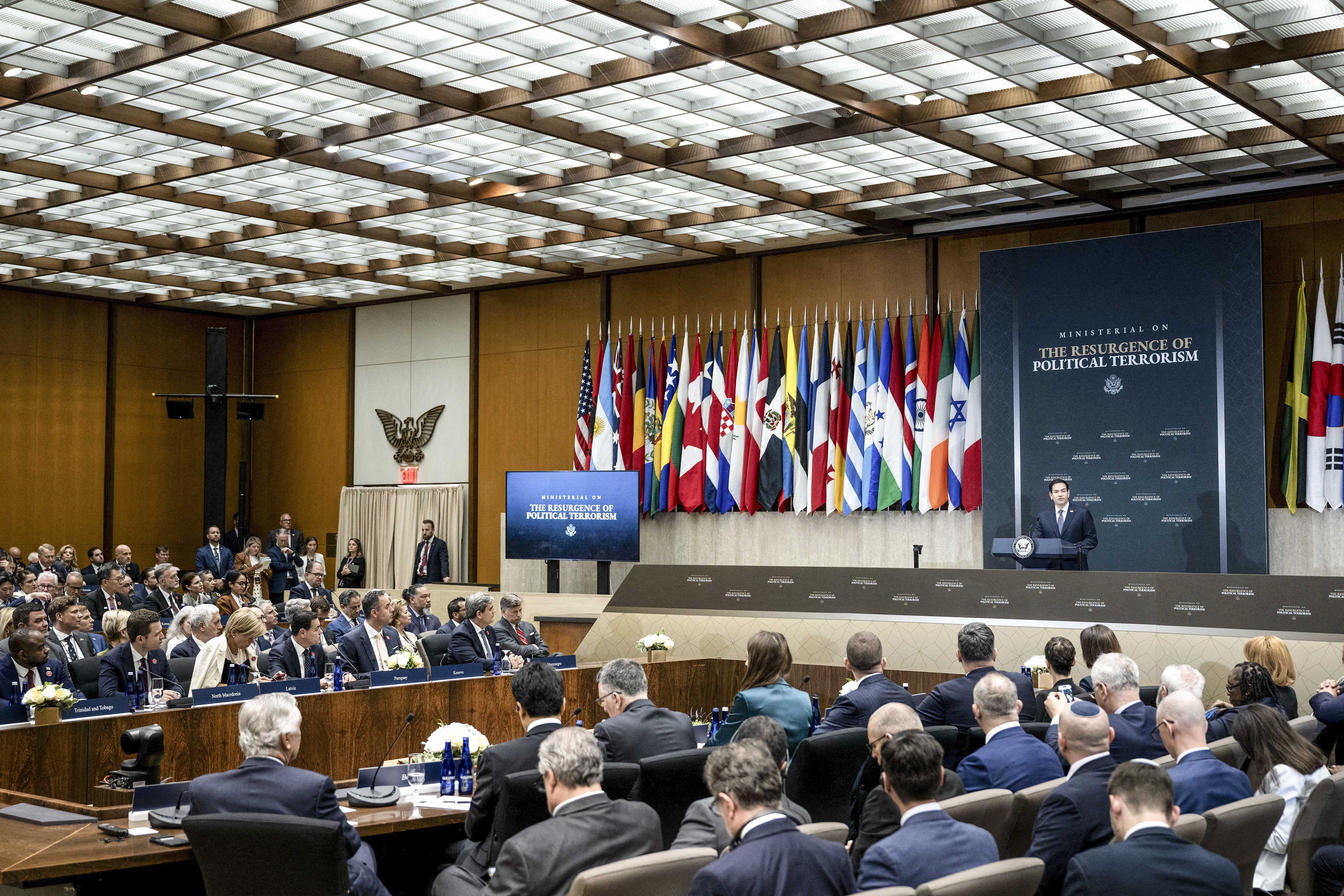
The announcement came as Rubio hosted officials from more than 60 countries in Washington for a ministerial conference focused on counterterrorism and what the administration describes as the growing threat posed by violent left-wing groups.
Addressing representatives from Europe, Asia, and the Americas, Rubio said that international counterterrorism efforts have focused heavily on Islamist extremism—leaving them “severely diminished”—but left-wing political violence has been overlooked.
“We can—and we must—identify and map this threat and rebuild our counterterrorism architecture to defeat it,” Rubio said during the conference, according to prepared remarks.
He said that far-left groups had become a “blind spot” among governments, universities, media organizations, and other institutions, many of which he said have downplayed the threat as “partisan fiction,” a “right-wing fever dream,” or a “dangerous fascist conspiracy.”
 Rubio pointed to historical and recent attacks, citing Weather Underground bombings in the 1970s targeting the Pentagon and the U.S. Capitol, sabotage of Berlin’s energy grid this year, and the recent beating to death of a French teenager by what he called a “group of far-left militant thugs.”
The State Department has already designated four Europe-based organizations as foreign terrorist organizations—including Antifa Ost and Armed Proletarian Justice—with Rubio signaling more designations would follow.
“It is time to crush this evil forever,” Rubio said. “It is time for the people of the civilized world to defend ourselves, to stand united against this encroaching darkness, and fight.”
Administration Highlights Left-Wing Threat
The visa restrictions represent the latest step in President Donald Trump’s focus on what he deems to be violent left-wing extremism as a central national security concern.
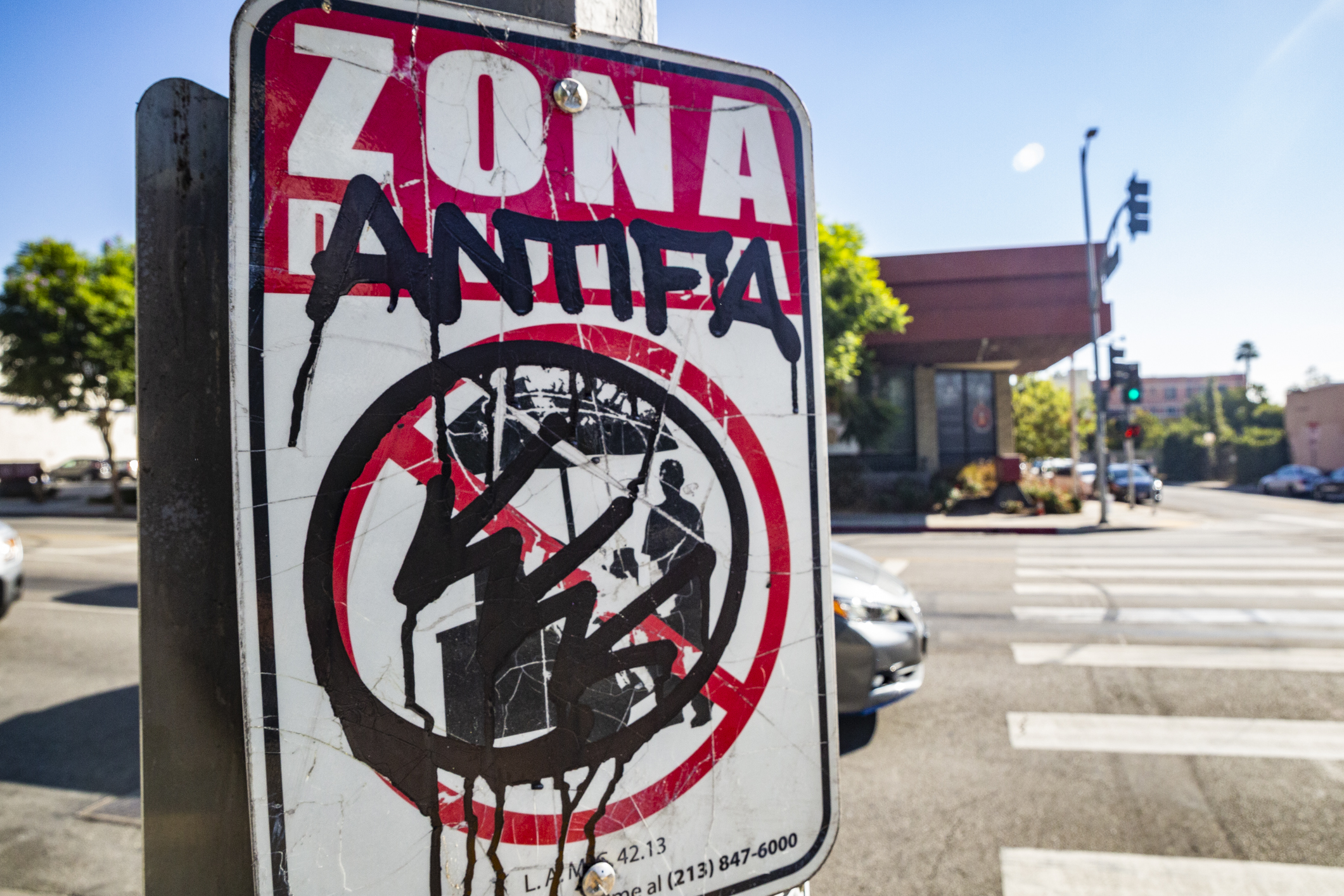
In September 2025, Trump declared Antifa a domestic terrorist organization, though current U.S. law does not create a formal mechanism for designating domestic groups as terrorist organizations in the same manner as foreign entities.
 The White House’s counterterrorism strategy released in May identified “violent left-wing extremists” as one of the country’s three leading terrorism threats.
The administration’s new focus has drawn criticism from a handful of congressional Democrats, who argue that the White House risks politicizing counterterrorism policy.
Eleven Democratic lawmakers sent a letter to Rubio on July 15 questioning the evidence behind the administration’s emphasis on left-wing organizations.
The lawmakers described the White House’s counterterrorism strategy as a “politically partisan document” and suggested that applying terrorism labels to loosely defined left-wing groups could baselessly put Americans at risk.
“We strongly urge the Department to return its focus to a serious mission set that is definitionally apolitical, data-driven, and rooted in reality, instead of rubberstamping the political priorities of extremists within the Administration whose views and policies put U.S. national security–and the American people–at risk,” the lawmakers wrote.
The American Civil Liberties Union voiced similar concerns after Trump’s 2025 declaration targeting Antifa, stating that broad terrorism authorities could be used against political opponents and constitutionally protected activity like peaceful protest.
The State Department did not immediately respond to requests for comment on the Democratic lawmakers’ letter.
White House Deputy Chief of Staff Stephen Miller, speaking at Thursday’s conference, dismissed arguments that the administration’s policies threaten civil liberties.
“One of the hallmarks of left-wing violence and terrorism is its completely pretextual and disingenuous appeal to civil liberties in an effort to shield its own violence,” Miller said.
Thursday’s visa announcement also comes amid a wider Trump administration effort to tighten oversight of foreign nationals entering the United States.
Earlier on July 16, the Department of Homeland Security announced new limits on the length of stay for foreign students, exchange visitors, and journalists.
Reuters contributed to this report.
 Friends Read Free
Copy
Facebook
Tweet
Friends Read Free
Copy
Facebook
Tweet