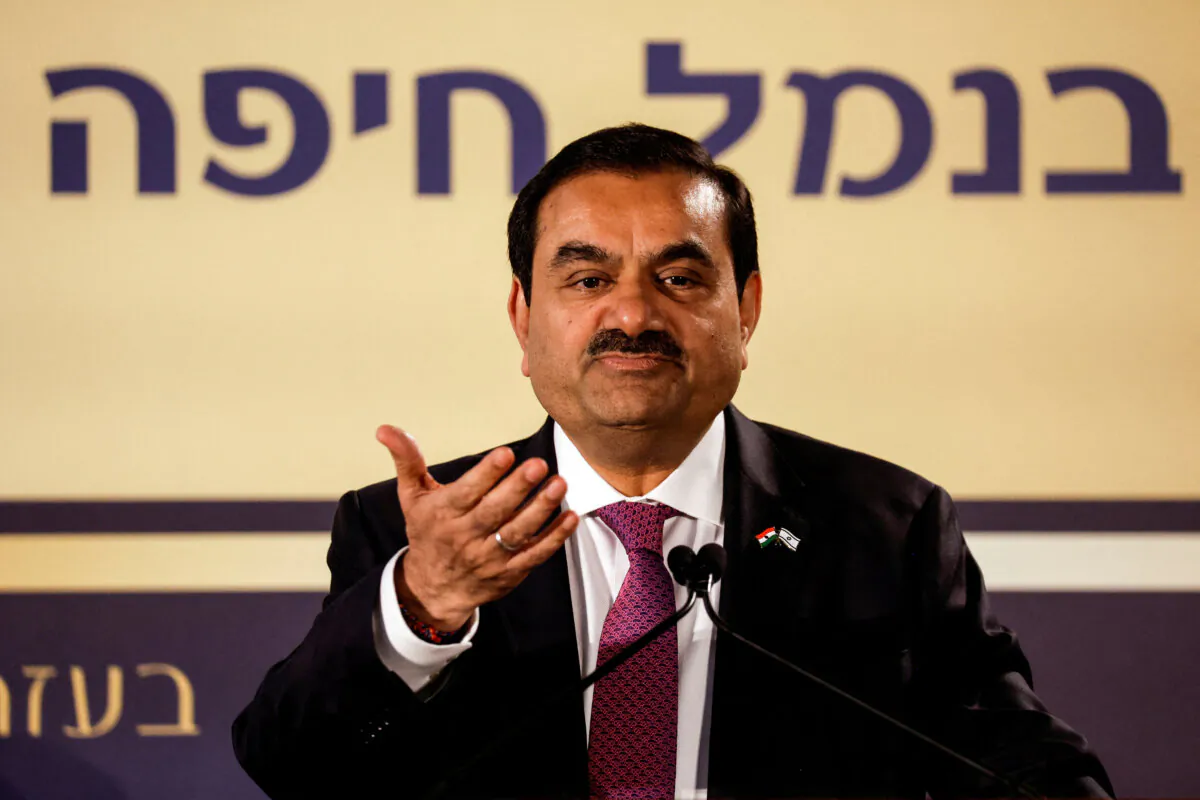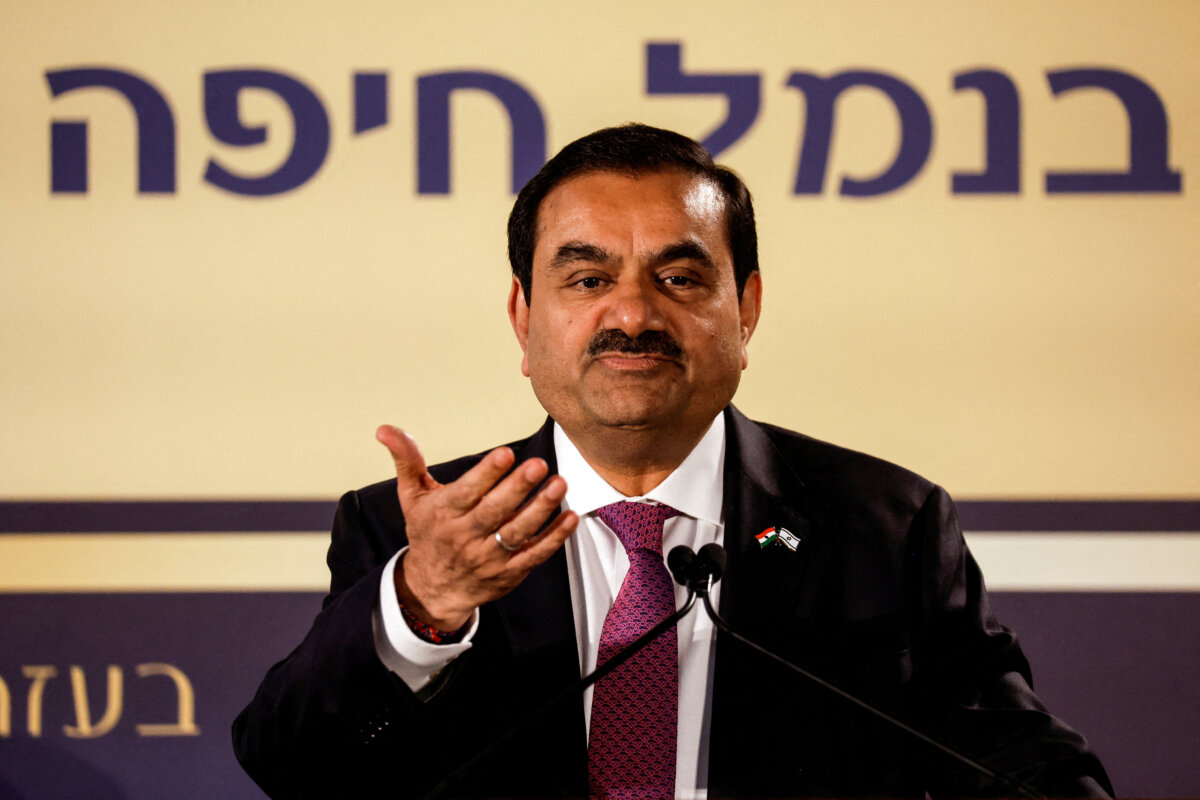

The U.S. Securities and Exchange Commission (SEC) has agreed to settle a lawsuit filed against Indian billionaire Gautam Adani in a civil securities fraud case tied to allegations that investors were misled about a major solar energy project in India.
A consent judgment filed on May 14 in the U.S. District Court for the Eastern District of New York states that Adani agreed to pay a $6 million civil penalty, while his nephew, Sagar Adani, agreed to pay $12 million under the settlement. The settlement does not include an admission of wrongdoing.
The SEC sued the two men in late 2024, alleging they concealed from investors that Adani Green Energy Ltd.’s business expansion in India was being facilitated by promises of bribes to Indian officials.
According to the SEC complaint filed on Nov. 20, 2024, the defendants helped orchestrate a scheme involving “hundreds of millions of dollars” in alleged payments to government officials in exchange for favorable energy supply contracts.
The SEC alleged the company simultaneously raised billions of dollars from U.S. investors while presenting itself as having strong anti-bribery controls and compliance safeguards. The agency said those actions violated antifraud provisions of U.S. securities laws.
The Adani Group previously denied the allegations, calling them “baseless.”
The Epoch Times reached out to Adani Group for comment, but did not receive a response by publication time.
Adani Business Empire
Gautam Adani built his fortune during India’s economic liberalization period in the 1990s, initially expanding through coal trading and infrastructure development.
Over time, the Adani Group grew into one of India’s largest conglomerates, with investments spanning ports, energy, mining, airports, agriculture, defense, and renewable power.
The allegations in the U.S. case emerged after years of scrutiny from investors, researchers, and opposition politicians in India.
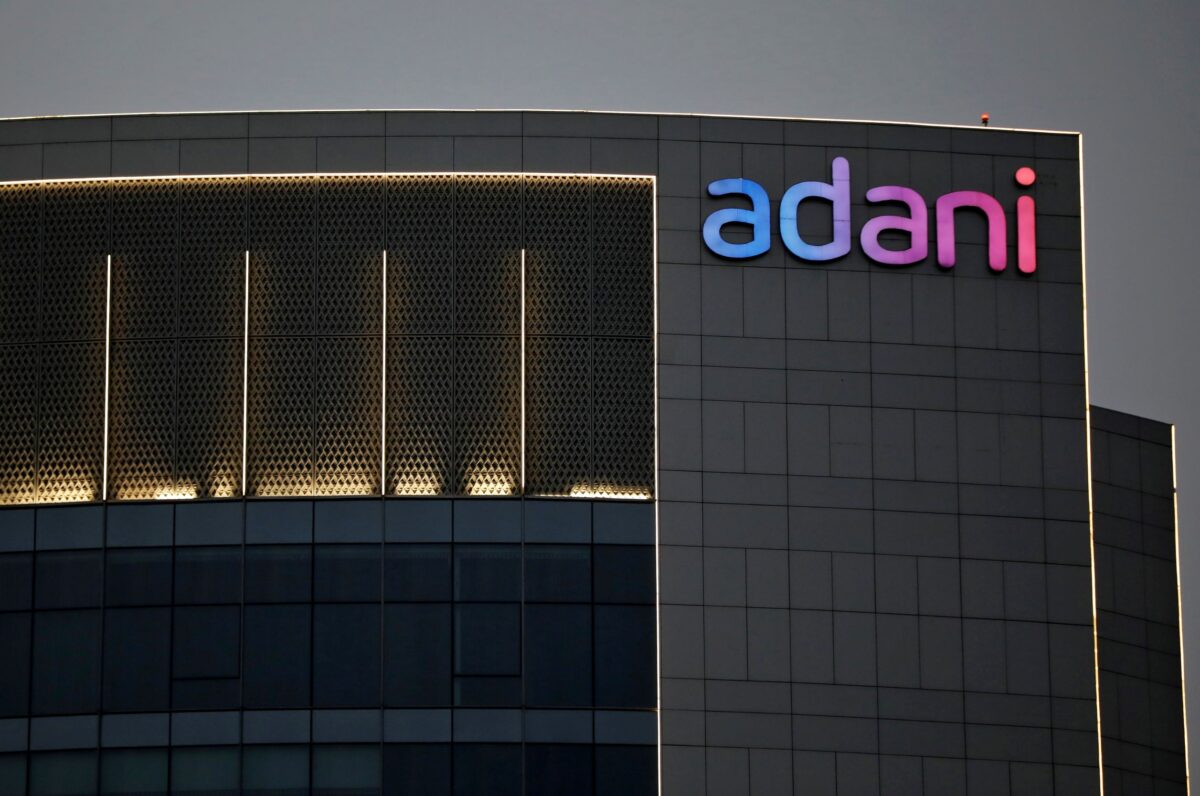
Adani’s business success has frequently drawn scrutiny because of his perceived closeness to Indian Prime Minister Narendra Modi and the ruling Bharatiya Janata Party.
In January 2023, Hindenburg Research, a U.S.-based short-selling firm, accused the Adani Group of “brazen stock manipulation” and “accounting fraud.”
The Adani Group rejected the report and described it as “a malicious combination of selective misinformation and stale, baseless and discredited allegations.”
After U.S. prosecutors announced criminal charges in Brooklyn in 2024, Kenyan President William Ruto canceled airport modernization and energy agreements involving the Adani Group.
Adani Green Energy also withdrew from wind energy projects in Sri Lanka after the government there sought to renegotiate pricing terms.
French energy giant TotalEnergies announced it would pause additional investments linked to Adani Group ventures while reviewing the allegations and their implications.
The Associated Press contributed to this report.
 Friends Read Free
Copy
Facebook
Tweet
Friends Read Free
Copy
Facebook
Tweet