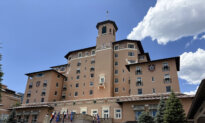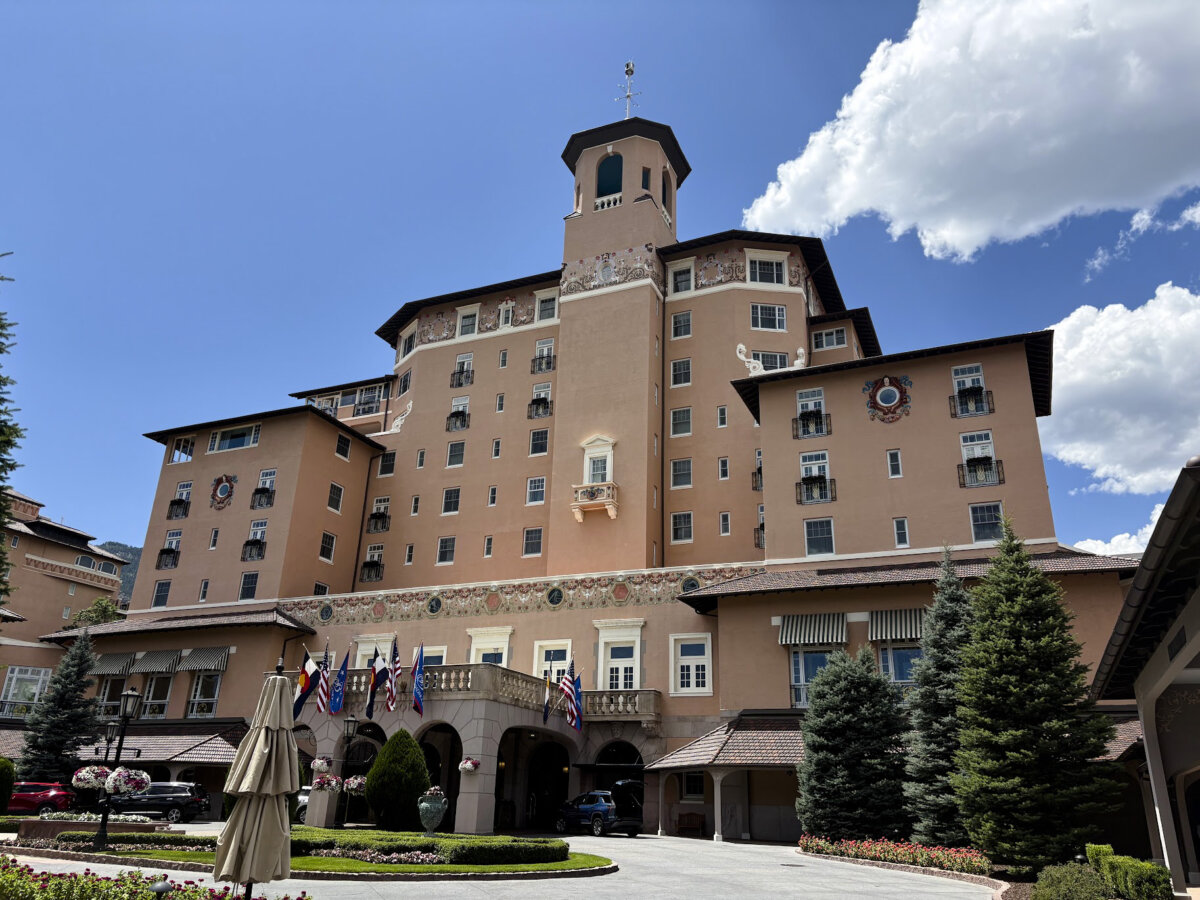
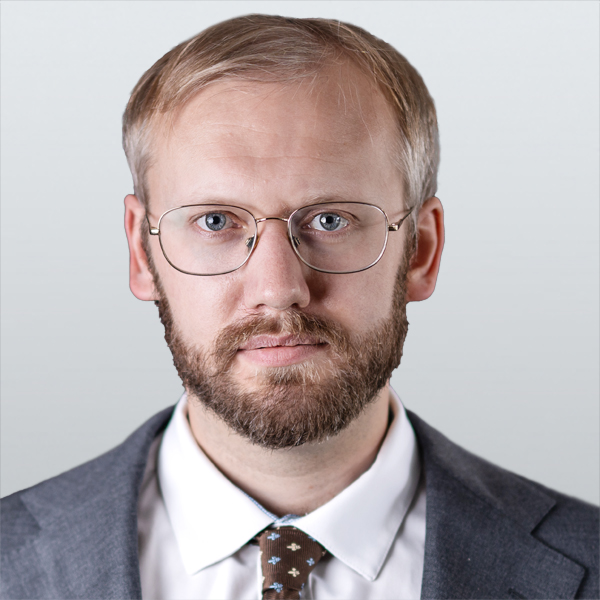
COLORADO SPRINGS—In the shadow of the Rockies at a resort hotel, state leaders assembled on July 25 and 26—some of them, anyway.
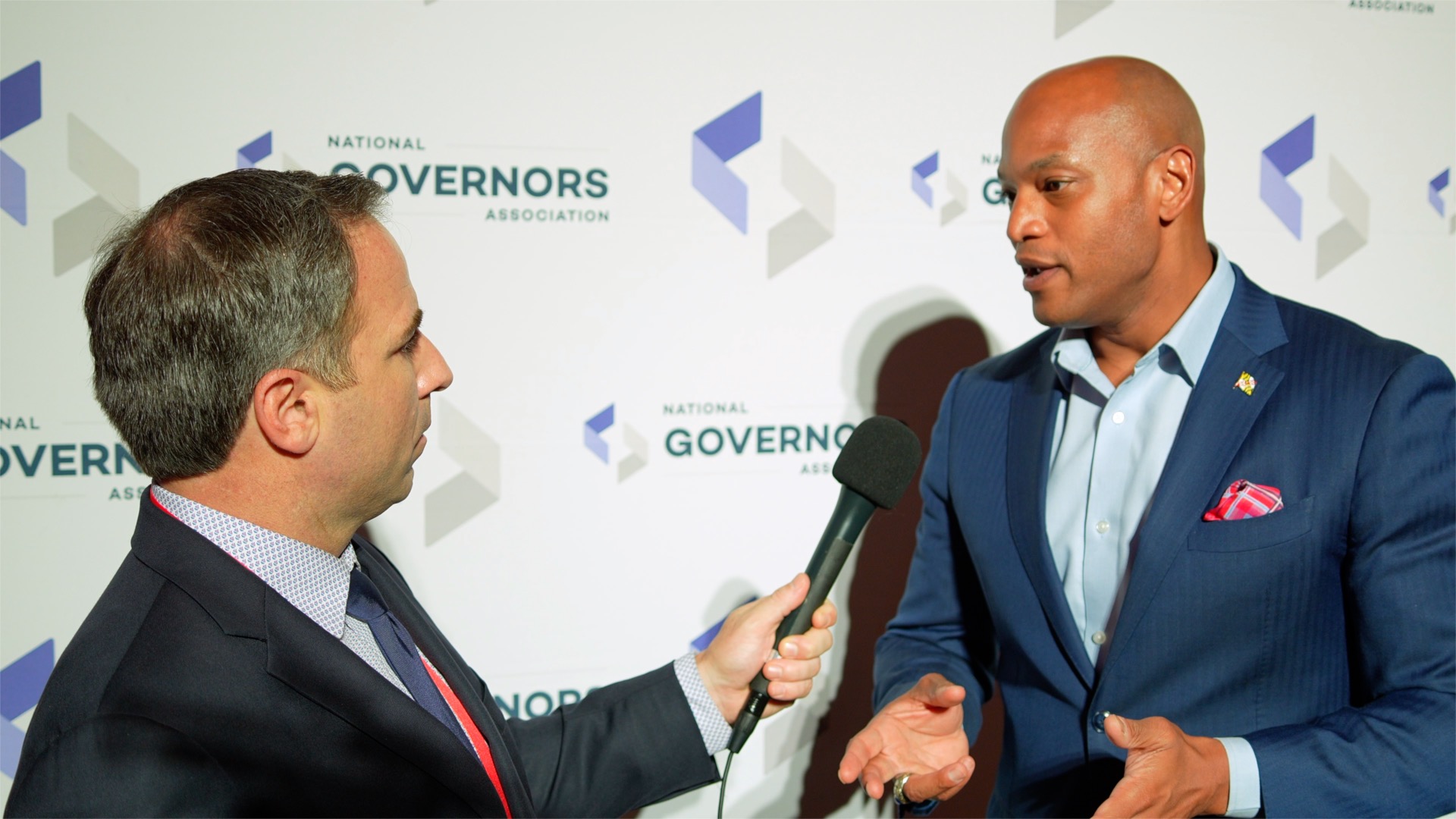
They came to the Broadmoor for the National Governors Association’s summer meeting, where Colorado Gov. Jared Polis, a Democrat, handed over the leadership gavel to Oklahoma Gov. Kevin Stitt, a Republican.
Former Arkansas Gov. Asa Hutchinson, a past association chair who challenged Trump in the 2024 Republican presidential primary, told The Epoch Times that the National Governors Association is “the last bastion of bipartisanship in American politics.”
Although some state executives from each party did not show up, two absences were particularly glaring: Govs. Tim Walz of Minnesota and Laura Kelly of Kansas, both Democrats.
The Atlantic reported that the two are withdrawing from the organization, and Kelly confirmed her withdrawal to the Topeka Capital-Journal. Walz was former Vice President Kamala Harris’s running mate in the 2024 presidential election.
Stitt told reporters that he had not spoken with either of them. He noted that Republican and Democratic governors already have their own separate organizations, the Republican Governors Association and the Democratic Governors Association.
“It’s hard, and it’s messy,” the National Governors Association’s new chairman said of bringing together governors from across the spectrum. “But let’s not take our ball and go home.”
Maryland Gov. Wes Moore, a Democrat and the association’s new vice chair, voiced more sympathy with what he said he had heard from the two.
“Frankly, I think some of the frustrations they have expressed are justified,” he told reporters. “It is important that this organization is never going to be either the cheerleader [or] the heckler of a federal administration.”
Trump Officials Talk Education, Health Care
The National Governors Association’s public program included two top Trump administration officials, Education Secretary Linda McMahon and Health and Human Services Secretary Robert F. Kennedy Jr. Both took questions from the leaders of various states.
Dr. Mehmet Oz, administrator of the Center for Medicare & Medicaid Services, also met with governors at the Colorado Springs gathering.
Stitt told reporters that Kennedy, Oz, and McMahon were invited because of governors’ interest in health care and education policy—two areas in which state executives have considerable authority and the Trump administration has made big changes at the national level.
McMahon hit the stage soon after her department unfroze billions of dollars in grant funding for schools. Stitt and other governors thanked her for releasing the money.
In a statement on the state of Colorado’s website, Polis said, “While I am thrilled this funding has been returned to our students, this uncertainty created significant chaos for families and schools with the school year only weeks away.”
On stage with McMahon, he asked about communication between the federal government and states about that money from Washington.
She told him she could offer “no guarantees … about the communication gaps that do happen,” adding that the Office of Management and Budget, helmed by Russ Vought, combed through the funding before releasing it.
“We’ve reviewed them—looked at that process—so that a year from now, we wouldn’t find ourselves in the same situation,” McMahon said.
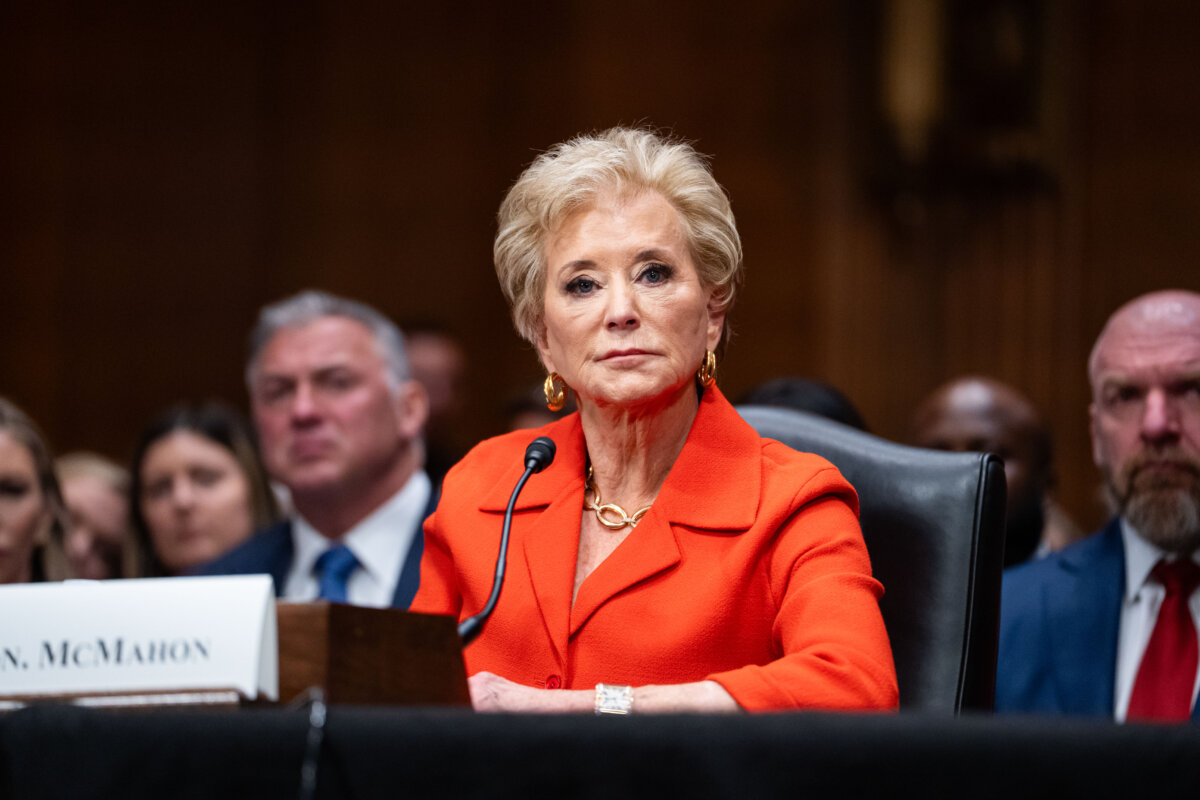
She also lauded Trump’s team as a whole, calling it “the most collaborative Cabinet … in a long time.”
States’ ability to afford Medicaid has also come into focus with the enactment of the One Big, Beautiful Bill Act.
It cuts the provider tax on Medicaid providers to 3.5 percent from 6 percent, shrinking the reimbursement that the federal government provides the states that expanded Medicaid coverage under the Affordable Care Act, also known as Obamacare.
The law also includes a $50 billion rural hospital fund. It’s meant to bridge the financial gap that the provider tax change will create for those institutions, which are often already in a precarious position.
During a press conference, Moore said, “There is no state that has the resources [or] the balance sheet to make up for when the federal government just decides to completely change their relationship that they’re going to have with the American people.”
Stitt told reporters that Oz had offered governors some assurances. He pointed out that the provisions in the act would be phased in over a decade and said they would bring high Medicaid reimbursement rates in line with industry standards.
In an interview with Epoch Times sister outlet NTD, North Dakota Gov. Kelly Armstrong, a Republican, also said Oz’s comments offered some reassurance.
Cuban, Laffer, and Furman
Trump officials weren’t the only big names in Colorado Springs. Billionaire businessman Mark Cuban appeared, too.
Cuban, a frequent Trump critic who supported Harris in 2024, spoke with Polis and other governors about artificial intelligence, education, and more.
“Mark Cuban doesn’t necessarily fit in any box,” Polis told The Epoch Times when asked what drew him to the meeting, given the pushback from at least some Democrats against the Trump-era National Governors Association.
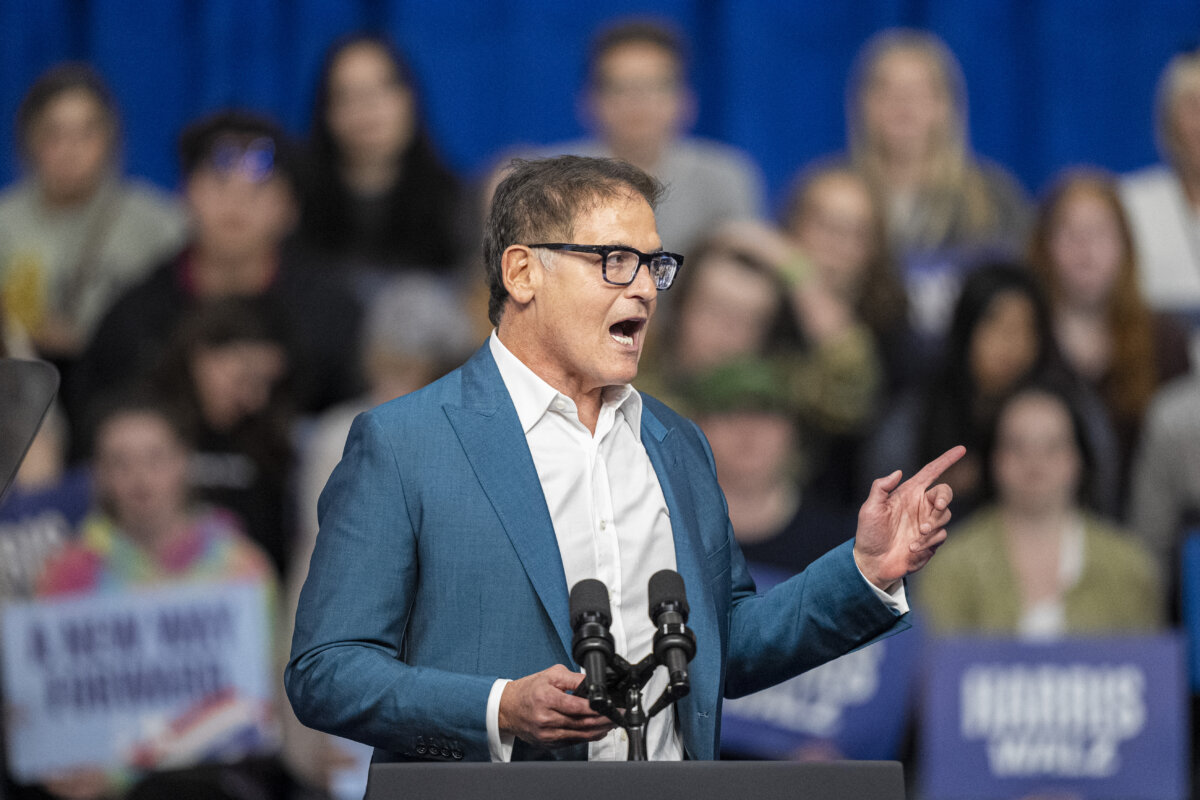
“We don’t come into this room as Republicans and Democrats. We come in as governors who want to improve the quality of life of the people of our state,” he said.
Jason Furman and Art Laffer also bridged an ideological gap.
Laffer, a supply-side economist, was a key architect of President Ronald Reagan’s tax cuts. Furman, now a professor at Harvard University, served as chair of the Council of Economic Advisors under President Barack Obama. Polis moderated a dialogue between the two.
Laffer praised the “big, beautiful law,” with a particular focus on its continuation of the 2017 tax cuts, many provisions of which are now permanent.
Furman raised concerns about its possible impact on the debt level, although he noted that he appreciated its approach to business expensing.
NTD’s Steve Lance contributed to this story.
 Friends Read Free
Copy
Facebook
Tweet
Friends Read Free
Copy
Facebook
Tweet