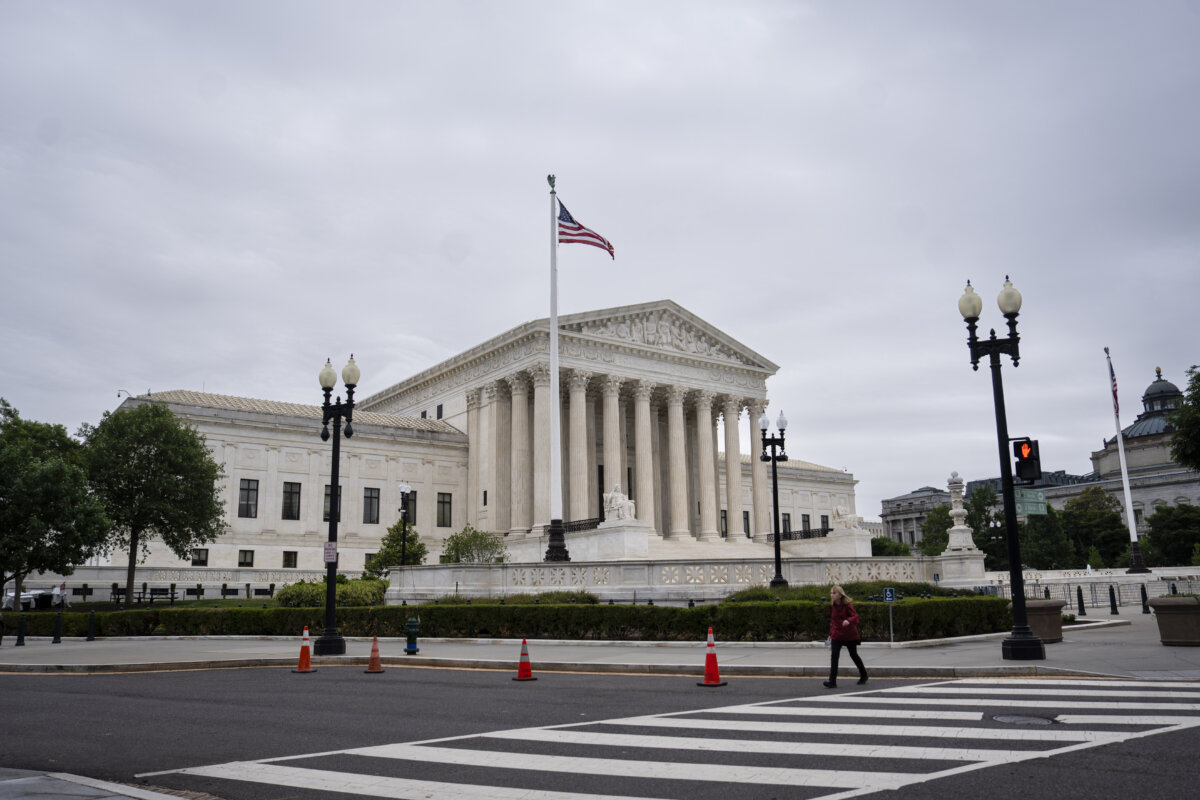

The U.S. Supreme Court on Tuesday decided not to intervene in a lawsuit that was filed by former Miami Dolphins head coach Brian Flores against the NFL, alleging discrimination in hiring practices.
In a brief unsigned order, the Supreme Court said it would not hear the Flores case. Justice Brett Kavanaugh, however, indicated that he would have heard the lawsuit.
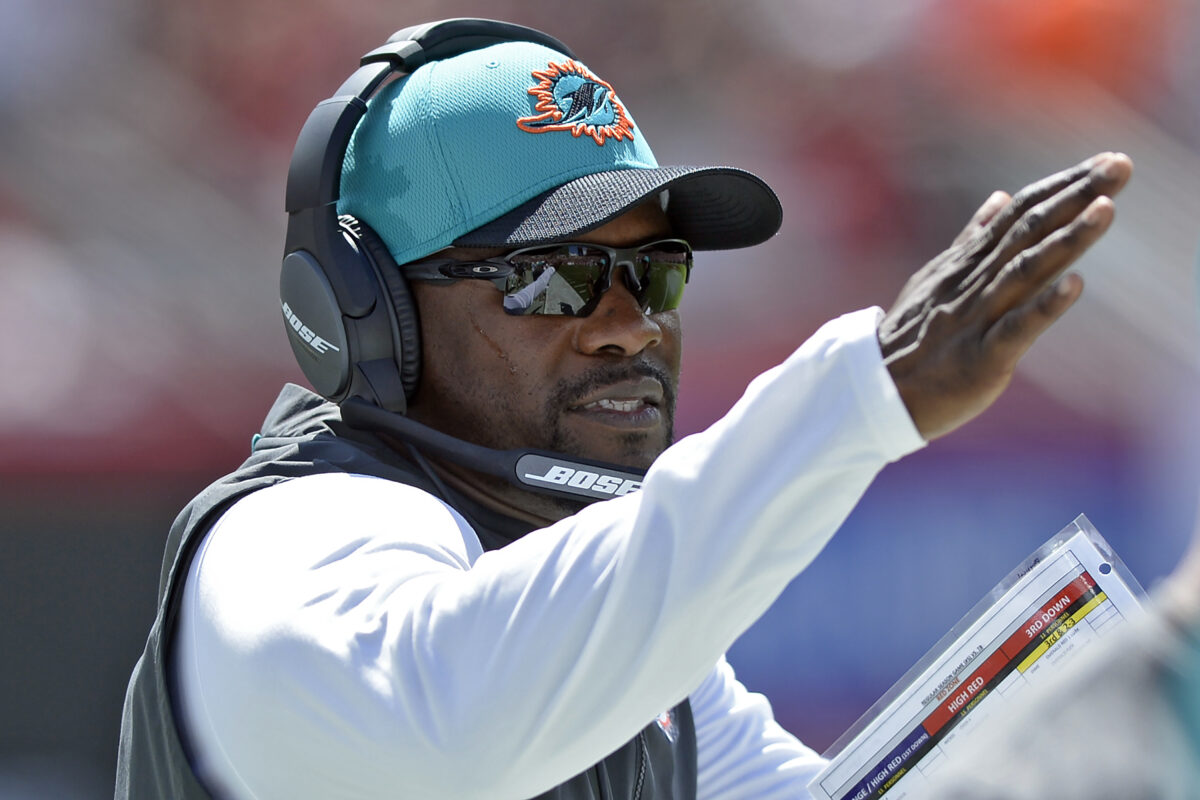
Flores, who is black, filed a lawsuit against the NFL and three teams—the Miami Dolphins, New York Giants, and Denver Broncos—in 2022, claiming the league was “rife with racism” regarding the hiring of black coaches. Fellow black coaches Ray Horton and Steve Wilks joined his lawsuit.
Flores was fired by the Dolphins before the lawsuit was filed. As head coach of the team, he led the Dolphins to a 24–25 record, failing to reach the playoffs in his three years with the team although he posted two winning seasons. He is now the defensive coordinator for the Minnesota Vikings.
In his 2022 complaint, Flores’ lawyers argued that he was asked to have interviews with the Broncos and Giants only to satisfy the NFL’s “Rooney Rule,” a policy that was adopted in 2003 that requires minority coaching candidates to be interviewed.
Flores, in part, argued that black head coaches are fired more quickly than white head coaches, saying that they were removed from the position “in an average of 2.5 years” while white head coaches “have averaged nearly 3.5 years on the job.”
The NFL, which has denied claims of racial discrimination, responded to the lawsuit by arguing it should either be dismissed as lacking legal merit, or else sent to arbitration.
In a statement released in 2022, the NFL said that Flores’ allegations “are without merit” and said that the league and its teams are “deeply committed to ensuring equitable employment practices and continue to make progress in providing equitable opportunities throughout our organizations.”
A New York-based federal judge in 2023 ruled that the defendants must face Flores’ claims of discrimination, while sending other aspects of the case to private arbitration.
On appeal, the New York-based Second U.S. Circuit Court of Appeals in 2025 agreed that some of Flores’ claims belonged in federal court. The Second Circuit ruled that a provision in the NFL constitution granting Goodell unilateral authority to arbitrate was “plainly unenforceable” because it would deny Flores arbitration “in any meaningful sense of the word.”
An arbitration agreement that “compels one party to submit its disputes to the substantive and procedural authority of the principal executive officer of one of their adverse parties, is an agreement for arbitration in name only,” Judge Jose Cabranes wrote for the 2nd Circuit.
Separately, the NFL has faced claims by Florida Attorney General James Uthmeier that it discriminated against white men by adopting diversity, equity, and inclusion (DEI) policies that are meant to promote minority groups. Uthmeier also said that the Rooney Rule violates Florida state law.
“Professional sports are a visible example of a merit-based system, but through the Rooney Rule, the NFL requires its teams to use race-based hiring practices,” Uthmeier said in a statement in March, posted to X. “We are putting [NFL] Commissioner Roger Goodell on notice: the Rooney Rule violates Florida law, and it must stop.”
During a news conference last week, Goodell responded to Uthmeier’s statement and said the league is cooperating but suggested that the NFL’s practices don’t violate the law.
Reuters contributed to this report.
 Friends Read Free
Copy
Facebook
Tweet
Friends Read Free
Copy
Facebook
Tweet