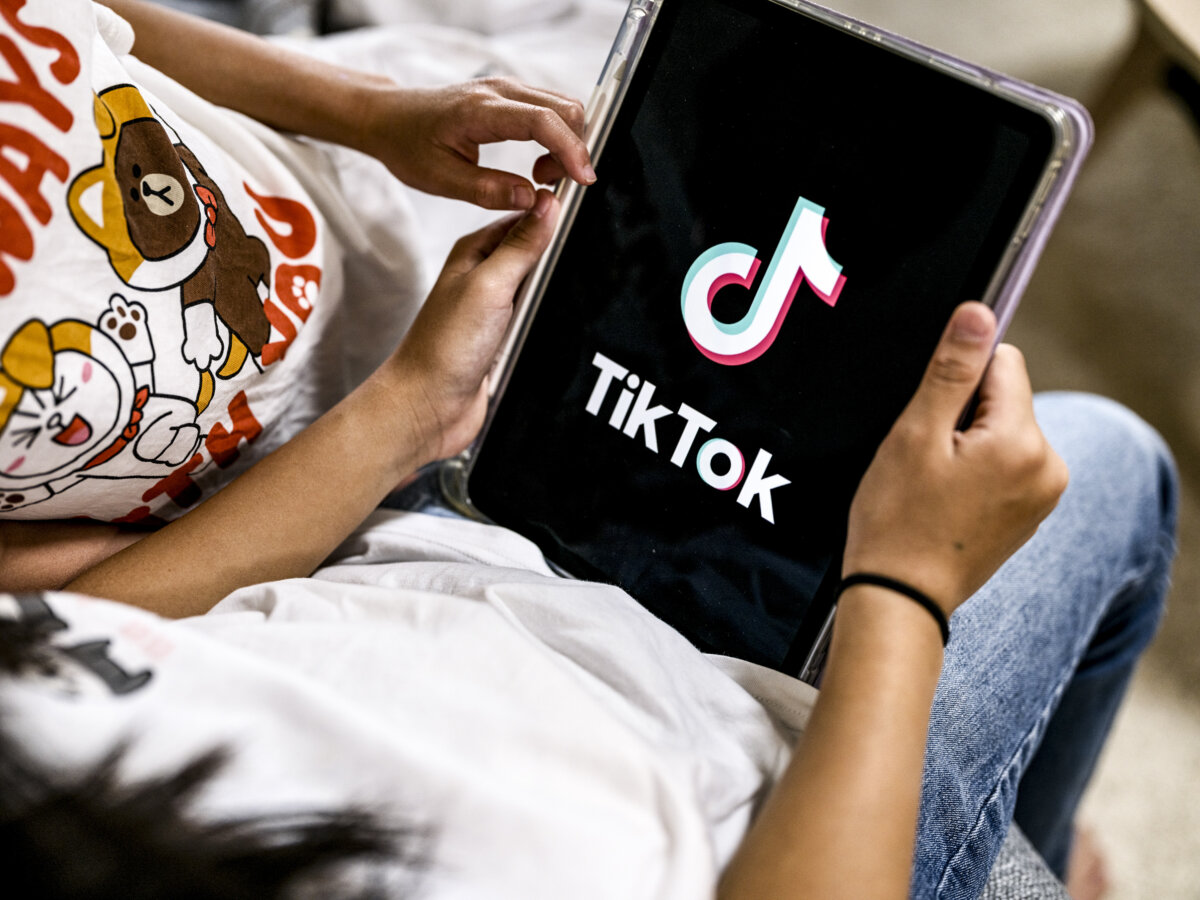

TikTok and its creator ByteDance struck a deal Friday with Alabama that will pay the state at least $100 million and force changes in how teenagers use the app, days before what would have been the first state trial over claims the platform was built to addict minors.
The money is due within 45 days. It can climb to $300 million if certain conditions are met, Alabama Attorney General Steve Marshall’s office said. Alabama was set to select a jury on Monday.
“This is a great day for Alabama parents,” Marshall said. “Tonight, they can rest easier knowing real protections are in place to shield their children from the dangers of social media addiction. TikTok has agreed to give parents real control over what their kids see and how much time they spend on the app.”
The complaint had accused TikTok of designing addictive features, exposing young users to serious mental harms, and misleading the public about safety.
TikTok did not admit those claims in the papers released Friday.
The company did not immediately return a request for comment.
The deal requires teen accounts in Alabama to have a two-hour daily cap, which parents can further shorten. After 15, 60, and 90 minutes of continuous use, the app must interrupt the session, a feature the office called “productive pauses,” intended to break endless scrolling.
Teen accounts will be unavailable from midnight to 6 a.m. Messaging and push alerts face extra limits overnight and during school hours. In addition, cosmetic filters are banned for teen users.
The default feed for those accounts is to remain non-personalized, and teen accounts are to be harder for adults to find. Parents get notice of suspicious contacts. Parental controls are supposed to be easier to use.
Last month, a multi-state Meta deal was set to bring Alabama $117 million on similar youth-harm allegations. Earlier, Roblox paid the state $12.2 million and agreed to tighter age checks and chat rules.
The Alabama deal arrives as other fights progress.
On Sept. 10, a Travis County, Texas, judge ruled that TikTok violated the state’s consumer protection law by misleading users about tools meant to keep minors from harmful videos. Judge Cory Liu found Restricted Mode did not work as marketed.
Texas Attorney General Ken Paxton said the case now goes to trial next month to set penalties.
“TikTok sacrificed the safety and innocence of children for engagement and numbers, and now they are being held accountable,” Paxton said then.
In early August, TikTok moved to settle three confidential teen mental-health suits. Lawyer Joseph VanZandt said written papers still had to be finished.
The plaintiffs—identified only as S.J., 15, of Illinois; P.M.Y., 15, of New Jersey; and K.D.B., 18, of Mississippi—alleged addiction, depression, self-harm and, in two cases, eating disorders. Roughly 3,300 similar suits sit before Los Angeles Superior Court Judge Carolyn Kuhl. Meta, YouTube, and Snapchat still face an October trial calendar.
A March jury in that same court awarded $4.2 million against Meta and $1.8 million against Google in a related individual case. TikTok settled that one before opening statements.
In August, the Justice Department separately announced TikTok and ByteDance would pay $400 million to resolve Children’s Online Privacy Protection Act (COPPA) claims. Officials called it one of the largest COPPA recoveries on record. The company did not admit fault.
 Friends Read Free
Copy
Facebook
Tweet
Friends Read Free
Copy
Facebook
Tweet