Foreign and resources ministers from across the Indo-Pacific, Europe, and beyond are converging on Washington this week for a strategic meeting on critical minerals supply chains, as the United States pushes to deepen cooperation with allies and partners.
The inaugural Critical Minerals Ministerial, convened by U.S. Secretary of State Marco Rubio on Feb. 4, will bring together officials to discuss ways to diversify supply chains and reduce strategic dependence on China.
In a Jan. 20 post on X, the State Department said, “Strengthening critical mineral supply chains with our international partners is vital to America’s economic and national security, technological leadership, and a resilient energy future.”
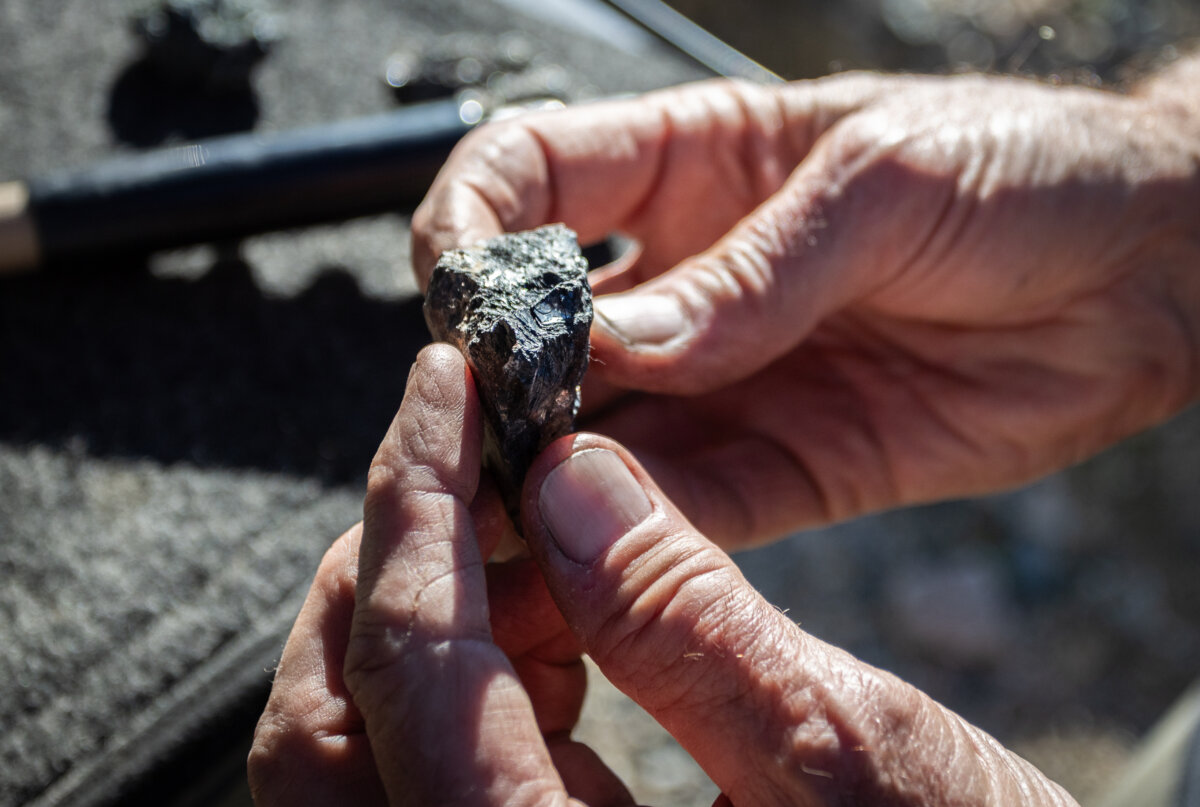
Rare-earth elements, a group of 17 metals crucial to everything from permanent magnets in wind turbines to electric vehicle motors, are hard to extract and even tougher to process. Much of the essential refining technology and know-how now lies in China’s hands, along with the all-important supply chains.
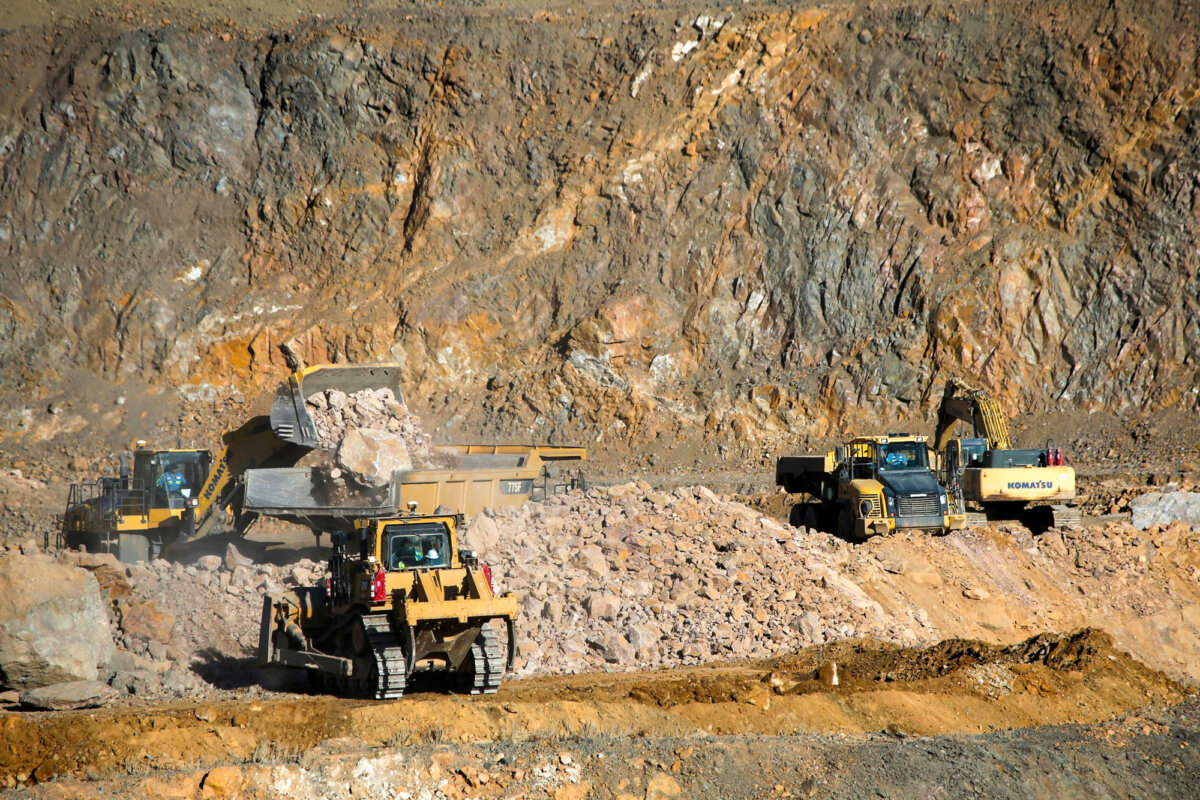
The same pressures apply to other critical minerals such as lithium, cobalt, nickel, graphite, and copper, which underpin battery production and much of the modern electricity system.
Over the past few months, the trade battle between the United States and China brought the issue of Beijing’s control of critical minerals to a head.
U.S. President Donald Trump said in November 2025 that the United States would end its reliance on China for rare-earth minerals within 18 months under an emergency program.
The Australian government said in January that it would invest $1.2 billion to create a Critical Minerals Strategic Reserve. Australian Resources Minister Madeleine King is set to join Rubio for the Feb. 4 event.

“Australia has a responsibility to lead on the supply of critical minerals and rare earths globally,” King said in a Feb. 2 statement. “Australia is at the forefront of global action to diversify global supply chains for critical minerals and rare earths which are essential components for defence and clean energy technologies.”
While in Malaysia, France’s interministerial delegate for strategic minerals and metals supply, Benjamin Gallezot, confirmed to local media on Jan. 28 that he is attending.
“We will also try to associate the mining and metallurgical industries and the financial sector, in order to bring more capital into the activities of strategic minerals and networks,” Gallezot said, according to Malaysia’s national news agency, Bernama.
An official accreditation notice from the Italian Ministry of Foreign Affairs confirmed that Italian Foreign Minister Antonio Tajani is expected to attend the ministerial meeting on critical minerals in Washington.
Indian External Affairs Minister Subrahmanyam Jaishankar will be among the senior participants, as will be Singaporean Minister for Foreign Affairs Vivian Balakrishnan.
John Coyne, director of national security programs at the defense and strategic policy think tank the Australian Strategic Policy Institute, wrote in a Feb. 2 opinion piece for the institute’s Strategist publication that countries unwilling to be “dependent on and vulnerable to China’s ability to withhold the export of critical minerals as a coercive tool, including Australia, should aim to ensure that the ministerial is the starting point and not a one off.”
He said that in the field of critical minerals, “Australia and Canada are logical anchors” as they both offer large, geologically diverse resource bases, stable regulatory systems, and deep technical capability.
When paired with the industrial scale, capital markets, and technological depth of the United States, Japan, and South Korea, these “countries form a nucleus capable of supporting resilient, diversified value chains without excessive fiscal leakage,” Coyne said.
“It is then feasible to have these regional powers formally join with European powers to create a truly global partnership that prioritises trusted and reliable supply chains, not just cheap ones.”
 Friends Read Free
Copy
Facebook
Tweet
Friends Read Free
Copy
Facebook
Tweet