
The Department of Homeland Security (DHS) announced on July 7 that it is ending protections for illegal immigrants from Nicaragua and Honduras, days after making a similar announcement for Venezuela.
In a statement, DHS said that the temporary protected status (TPS) for Nicaragua “was never meant to last 25 years,” noting that the status was initiated after a natural disaster in 1999 that impacted the Central American country.
“The environmental situation has improved enough that it is safe enough for Nicaraguan citizens to return home. This decision restores integrity in our immigration system and ensures that TPS remains temporary,” a DHS spokesperson said in a statement.
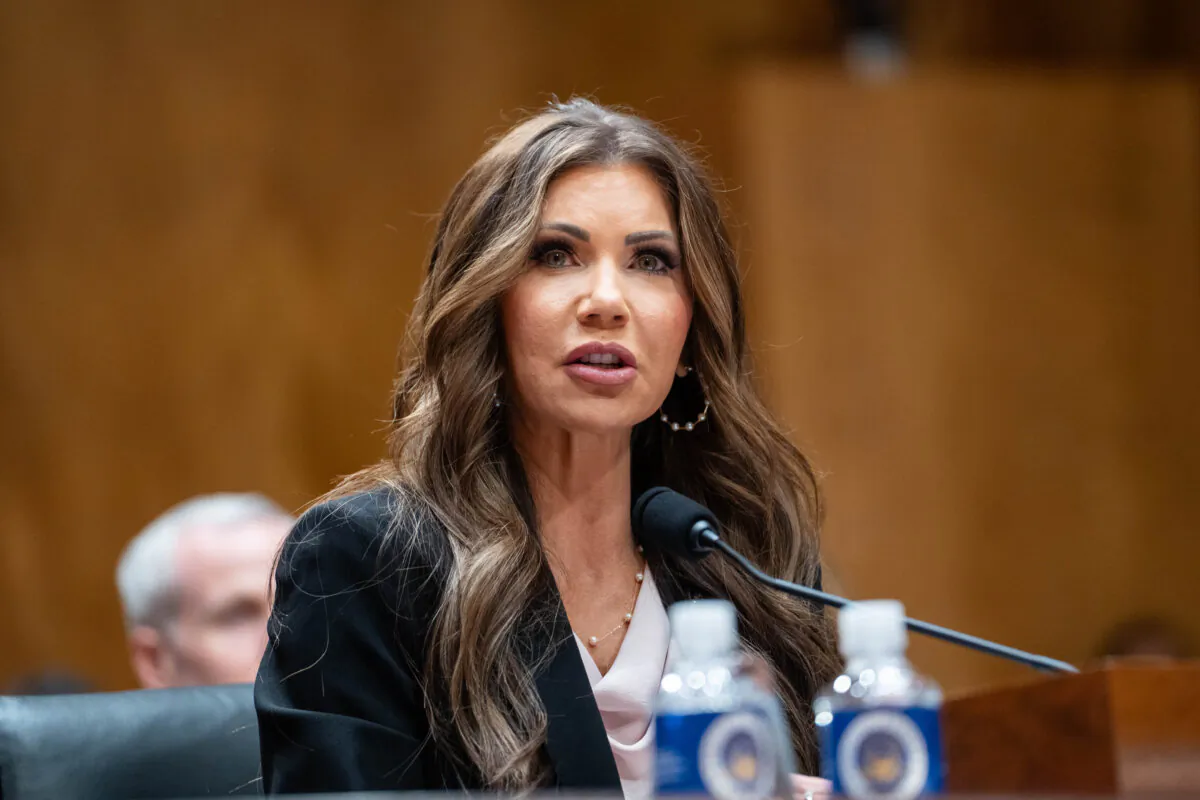
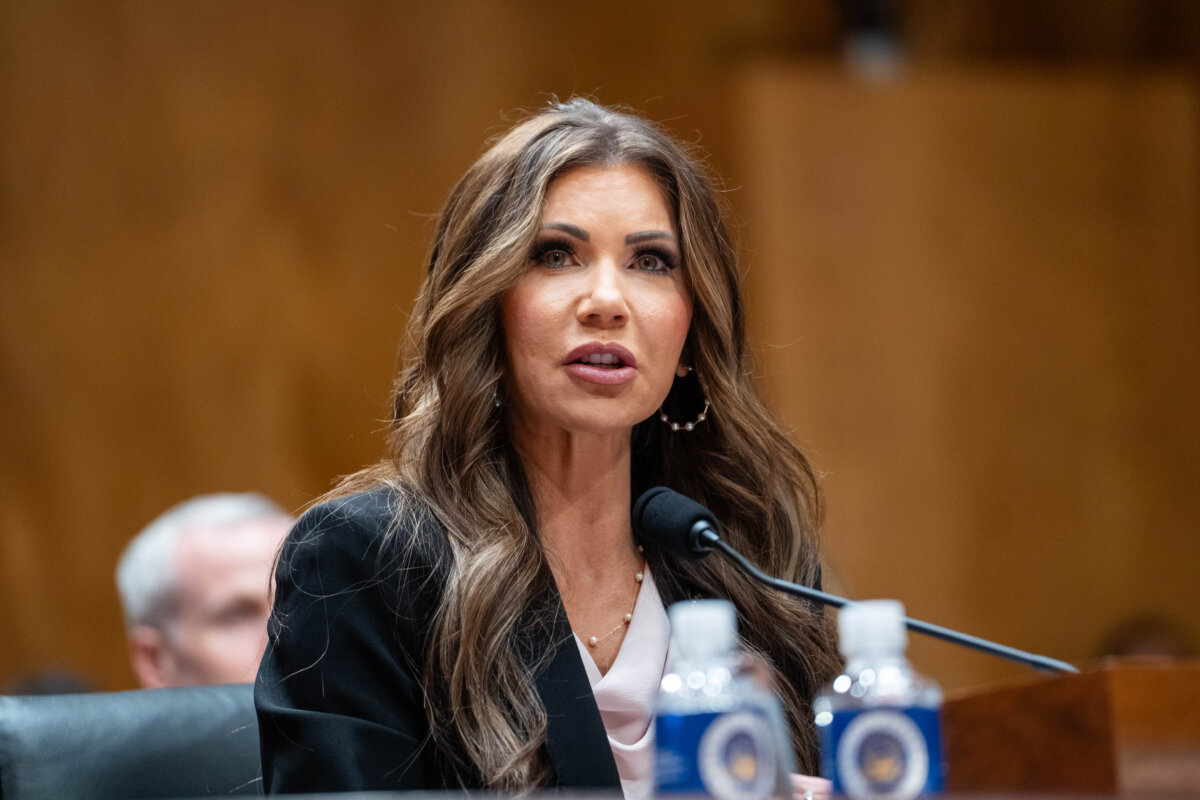
A similar comment was made by Homeland Security Secretary Kristi Noem regarding Honduras, noting that TPS for Honduras was issued that same year in the aftermath of Hurricane Mitch.
“Temporary Protected Status was designed to be just that—temporary,” Noem said in a statement. “It is clear that the Government of Honduras has taken all of the necessary steps to overcome the impacts of Hurricane Mitch, almost 27 years ago.”
Noem said that citizens of Honduras can “safely return home, and DHS is here to help facilitate their voluntary return,” adding that the Central American nation “has been a wonderful partner of the Trump Administration, helping us deliver on key promises to the American people.”
“We look forward to continuing our work with them,” she said.
For Honduras and Nicaragua, the TPS termination will be effective starting 60 days after DHS published its notices for both in the Federal Register on July 7. The agency has estimated that about 72,000 Hondurans and 4,000 Nicaraguans fall under the TPS designation.
For nationals of both countries who are in the United States illegally, DHS recommended that they use the CBP Home app to report their departure from the country, obtain a plane ticket home, receive a $1,000 federal exit bonus, and preserve options to legally migrate back to the United States in the future, according to statements issued by the agency.
The July 7 decision is the latest in several TPS revocations issued by the Trump administration and Noem. They have lifted such designations for Venezuela, Haiti, Cuba, and others, impacting hundreds of thousands of people who are now living illegally in the United States.
This came after the Supreme Court ruled on May 19 that the Trump administration could proceed with ending TPS for Venezuelans, signaling that other terminations may also be permitted to move forward. The court, in a separate order on May 30, said that the administration could immediately revoke a separate status known as parole for Cubans, Haitians, Nicaraguans, and Venezuelans.
The temporary protection program, created by Congress in 1990, is available to foreign nationals whose country of origin has experienced armed conflict, natural disaster, or a similar event. Two months before the status expires, the DHS secretary must determine whether to renew it, expand it to include new arrivals from the country, or terminate it.
After taking office in January, President Donald Trump vowed to kick off the largest mass deportation campaign in U.S. history, and his administration has moved additional federal resources to the U.S.–Mexico border.
The Associated Press contributed to this report.
 Friends Read Free
Copy
Facebook
Tweet
Friends Read Free
Copy
Facebook
Tweet