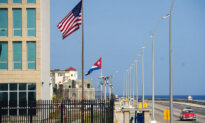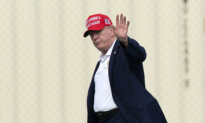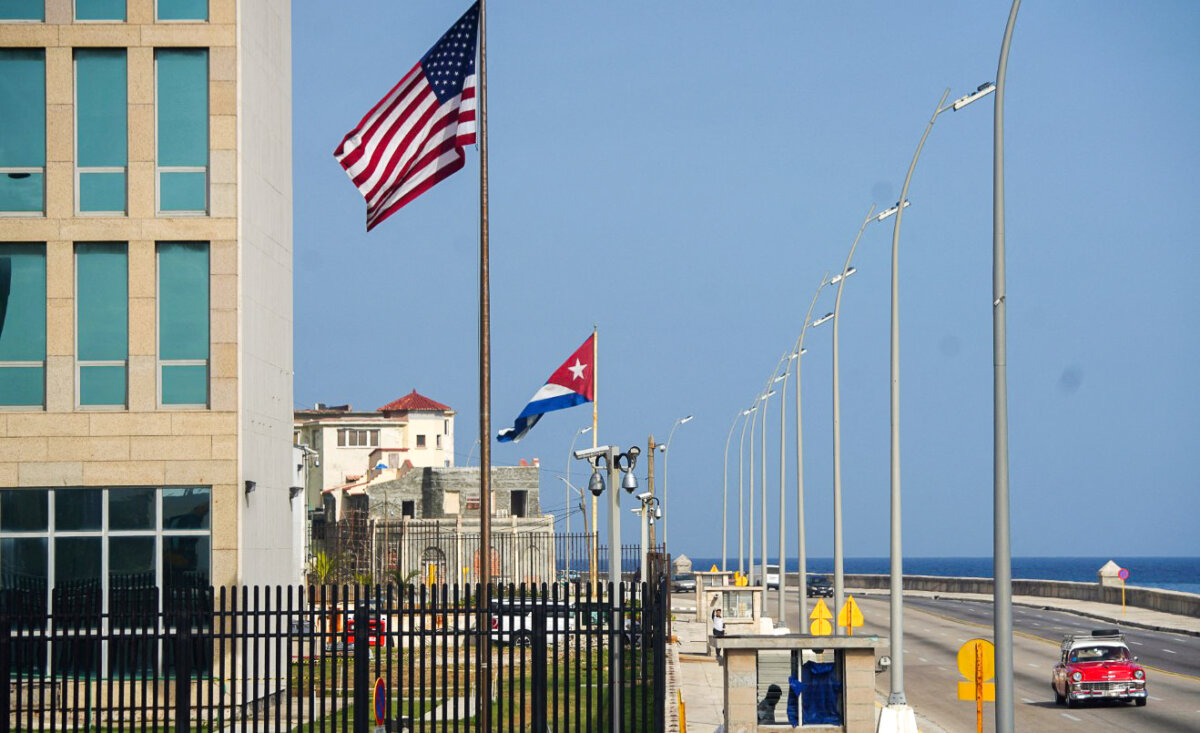
U.S. President Donald Trump put the Cuban regime back in the spotlight on May 1 with the signing of a presidential action that broadened U.S. sanctions on the communist government.
The latest action against the Caribbean nation comes after successful military operations in Venezuela and Iran, as Trump and other administration officials have hinted for months at potential U.S. intervention in Cuba.
Trump’s order imposes new sanctions on individuals, entities, and affiliates of the Cuban regime. It also targets anyone complicit in human rights violations or corruption.
“[Cuba’s policies] constitute an unusual and extraordinary threat,” Trump’s order reads. “Not only are these policies, practices, and actions designed to harm the United States, but they are also repugnant to the moral and political values of free and democratic societies.”
Individuals or entities facing sanctions are not named or identified under the order and will be determined by Secretary of State Marco Rubio and Treasury Secretary Scott Bessent.
Those individuals or entities could be involved in energy, defense, mining, technology, financial services, security, or any other sector supportive of the Cuban regime. Trump’s order also includes any “leader, official, senior executive officer, or member of the board of directors” of the communist government in Cuba.
The order authorizes secondary sanctions against anyone conducting or facilitating transactions with those targeted under it.
Furthermore, Trump’s sanctions include anyone determined to be “an adult family member of a person designated pursuant to this order.”
Trump’s pressure campaign against Havana began last summer.
The president signed a national security memorandum that reinstated hard-line policies on Cuba and reversed Biden administration measures that had eased pressure on the country.
After the successful overnight operation in January to capture Venezuelan leader Nicolás Maduro, Trump said Cuba could fall on its own because its main ally and oil supplier was now in U.S. custody. That month, Trump urged Cuba to make a deal.
Cuban leader Miguel Díaz-Canel said at the time that he was not in talks with the United States.
At the end of January, Trump declared a national emergency with his signing of an executive order titled “Addressing Threats to the United States by the Government of Cuba.” As part of that order, Trump threatened to impose sanctions on any country selling oil to Cuba.
Cuba has suffered a worsening energy crisis because of U.S. restrictions on oil supplies to the island. Multiple nationwide blackouts have occurred in recent months, some of which lasted days.
Meanwhile, Trump and other top officials’ rhetoric has continued.
Trump pitched the idea of a “friendly takeover” of Cuba and has told reporters that it is on his to-do list. Rubio, who is of Cuban descent, warned Cuban leaders after Maduro’s capture. The secretary of state in March directly called for regime change.
Additionally, Fidel Castro’s daughter told The Epoch Times in April that Cuba is overdue for a new government.
Both the U.S. president and Cuban leader have since confirmed that they are in talks to find a way forward.
This week, the Senate rejected a measure aimed at preventing Trump from launching military operations against Cuba.
 Friends Read Free
Copy
Facebook
Tweet
Friends Read Free
Copy
Facebook
Tweet