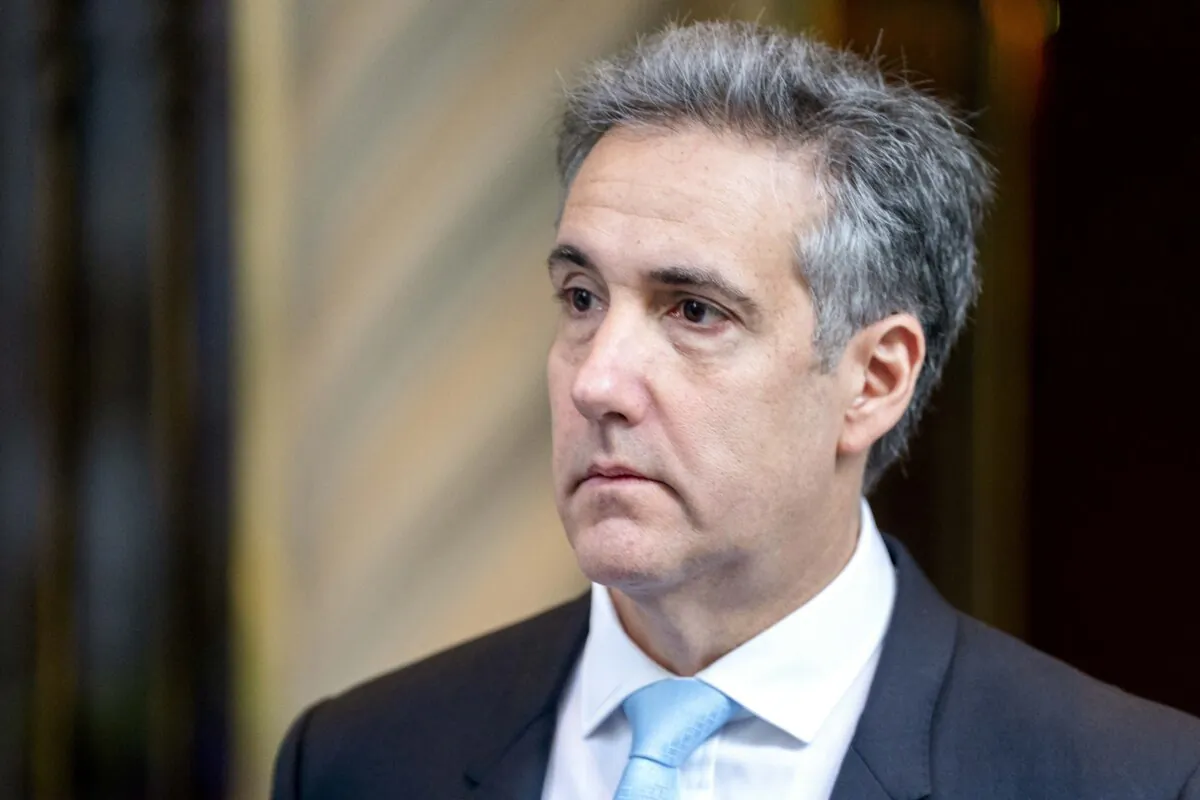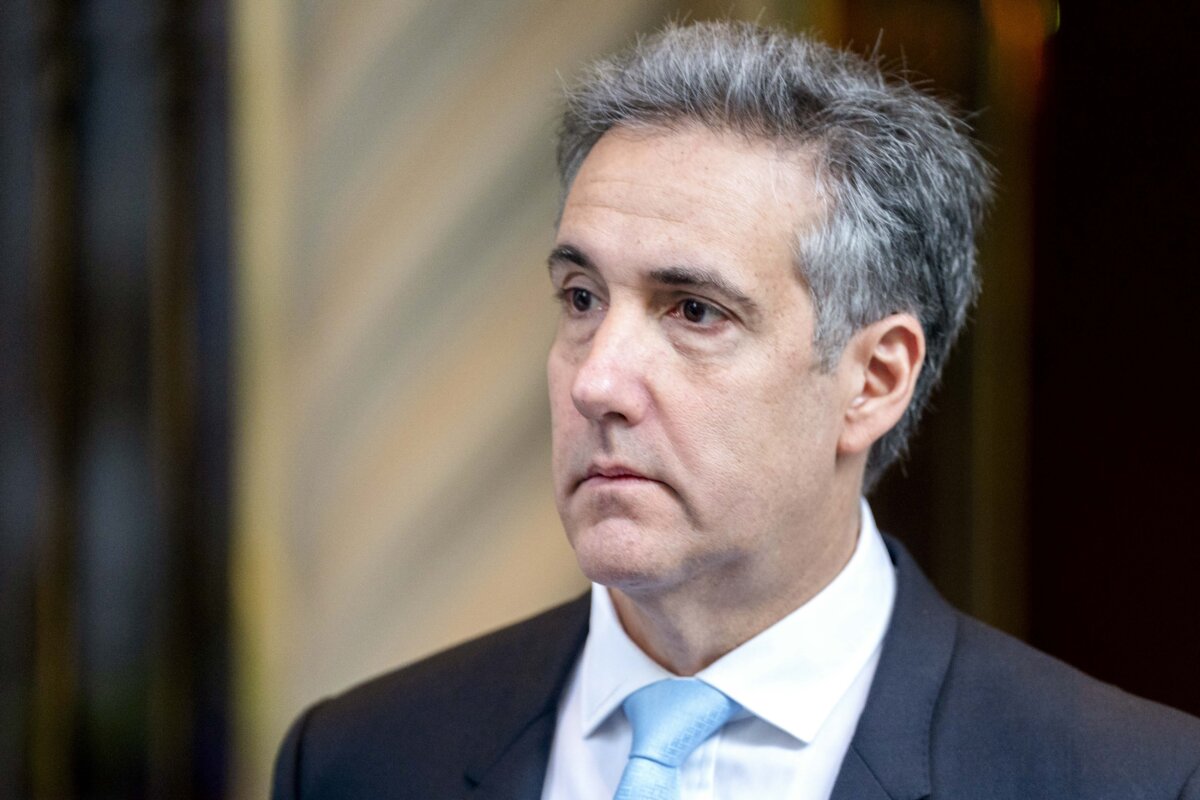

President Donald Trump said Wednesday that he would consider giving his former personal attorney Michael Cohen a pardon after Cohen said he felt he was “pressured and coerced” while testifying against Trump in a criminal trial.
“If everything is checking out, it’s something I would consider,” Trump told reporters when asked if he would pardon Cohen. “I appreciate that at least he came out, although late, he came out and rectified the situation.”
A presidential pardon forgives a federal offense but does not declare the recipient innocent or erase the conviction from the criminal record, according to the Office of the Pardon Attorney. It can remove certain civil restrictions resulting from the conviction, potentially restore federal firearms rights, and improve the recipient’s ability to obtain employment, professional licenses or bonding.
Cohen was a prominent critic and a prosecution witness in Trump’s 2024 New York criminal trial. Cohen testified that Trump was involved in arranging a payment to adult-film actress Stormy Daniels during the 2016 presidential campaign.
Cohen pleaded guilty in 2018 to campaign-finance violations, tax evasion, bank fraud, and lying to Congress. He received a three-year federal sentence and completed his prison term and supervision requirements in November 2024. Asked whether he might seek a presidential pardon, Cohen said he did not know but might consider it later.
Trump was convicted of 34 counts of falsifying business records and denied wrongdoing. In January 2025, he received an unconditional discharge, meaning he was guilty but would face no penalty.
Trump appeared on Cohen’s radio show in August and praised Cohen for recanting previous statements. It was Trump’s first public conversation with Cohen in eight years.
“They weaponized you. They weaponized a lot of people,” the president told Cohen on the latter’s 770 WABC radio program in New York. “I respect the fact that you recanted everything you said. You’re going to go down as a man of courage, great courage, because you did something that a lot of people wouldn’t have the guts to do.”
Cohen worked for Trump for more than a decade before their relationship collapsed amid criminal investigations, public criticism, and legal battles.
A federal judge in March 2024 denied Cohen’s fourth request to end supervised release early, citing concerns that Cohen had contradicted his 2018 guilty plea.
Judge Jesse Furman said Cohen denied committing tax evasion while testifying under oath in Trump’s civil fraud trial, despite previously pleading guilty to that crime.
Furman said that either Cohen lied during his plea or committed perjury during the 2023 trial, demonstrating a continued need for supervision.
Cohen and his attorney called the ruling legally and factually wrong, arguing he never disputed his underlying conduct and had accepted a coercive plea deal.
Reuters contributed to this report.
 Friends Read Free
Copy
Facebook
Tweet
Friends Read Free
Copy
Facebook
Tweet