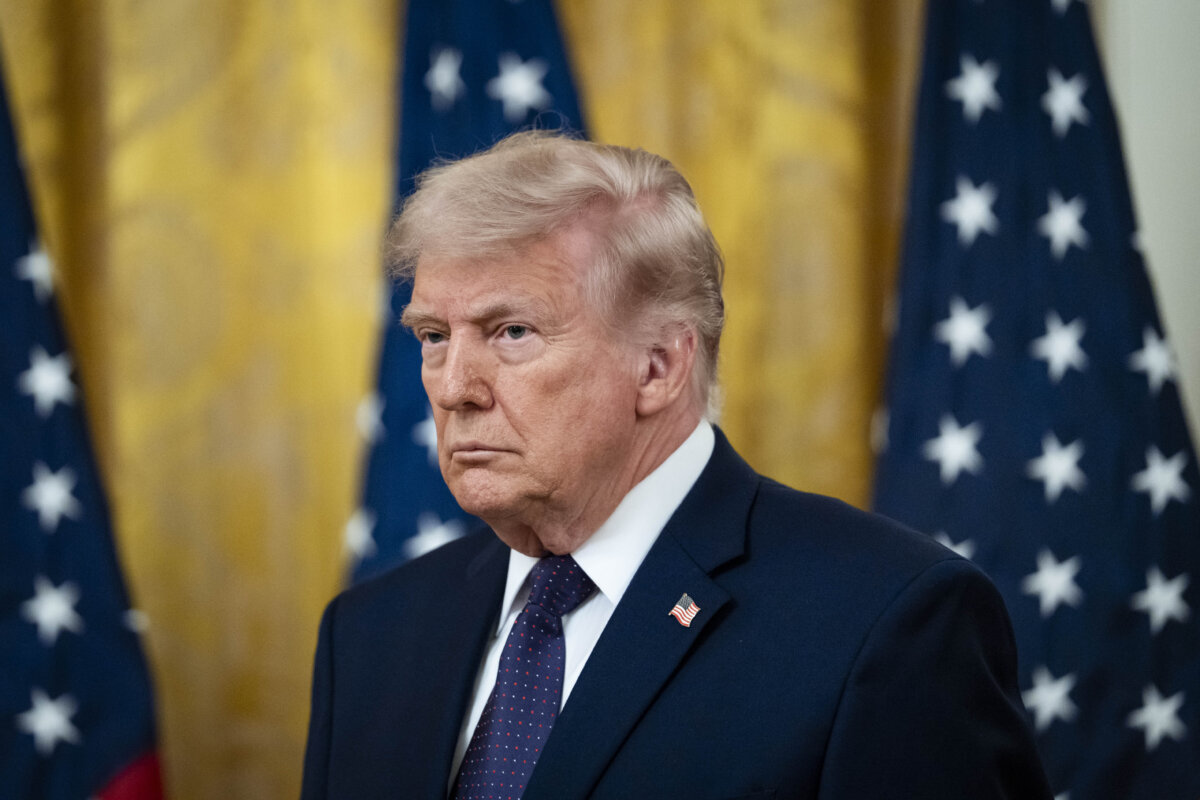

President Donald Trump has responded to critics of a potential peace deal with Iran and said that no details have been confirmed.
“If I make a deal with Iran, it will be a good and proper one, not like the one made by Obama, which gave Iran massive amounts of CASH, and a clear and open path to a Nuclear Weapon,” he wrote in a Truth Social post on Sunday evening.
Trump was referring to a 2015 agreement between Iran, the United States, and several European nations. During his first term in office, Trump pulled the United States out of the agreement and said repeatedly that the deal was poorly conceived.
The U.S. president added that “nobody has seen” the contours of a new peace deal with Tehran or “knows what it is,” and that “it isn’t even fully negotiated yet.” He added that critics are commenting on “something they know nothing about.”
“Unlike those before me who should have solved this problem many years ago, I don’t make bad deals,” Trump said.
In the May 24 post, Trump did not specifically name the critics.
Several Republican senators, including Sens. Lindsey Graham (R-S.C.) and Ted Cruz (R-Texas), who were prominent backers of Trump’s military actions against Iran that started in February, were critical of reports about the potential U.S.–Iran agreement.
“If the result of all that is to be an Iranian regime—still run by Islamists who chant ‘death to America’—now receiving billions of dollars, being able to enrich uranium & develop nuclear weapons, and having effective control over the Strait of Hormuz, then that outcome would be a disastrous mistake,” Cruz said in a May 23 post on X, responding to reports and Trump’s update the same day about a possible deal.
Graham, one of Trump’s allies in Congress, panned any arrangement that would leave Iran perceived as a dominant force in the region and in which it would retain its ability to destroy oil infrastructure throughout the Gulf.
Sen. Roger Wicker (R-Ala.), chairman of the Senate Armed Services Committee, questioned the merit of a proposed 60-day ceasefire, saying it would be a “disaster” and that “everything accomplished by Operation Epic Fury would be for naught,” referring to the military’s name for the war against Iran.
Iranian officials have long said the country has a right to pursue nuclear technology while insisting its program is peaceful. On May 24, President Masoud Pezeshkian told state TV they were ready “to assure the world that we are not after a nuclear weapon.”
Also at issue are around 900 pounds of highly enriched uranium that U.S. and Israeli officials say is to be used to power nuclear weapons. This past week, Trump told reporters that the United States may have to enter Iran to remove the material and would likely destroy it.
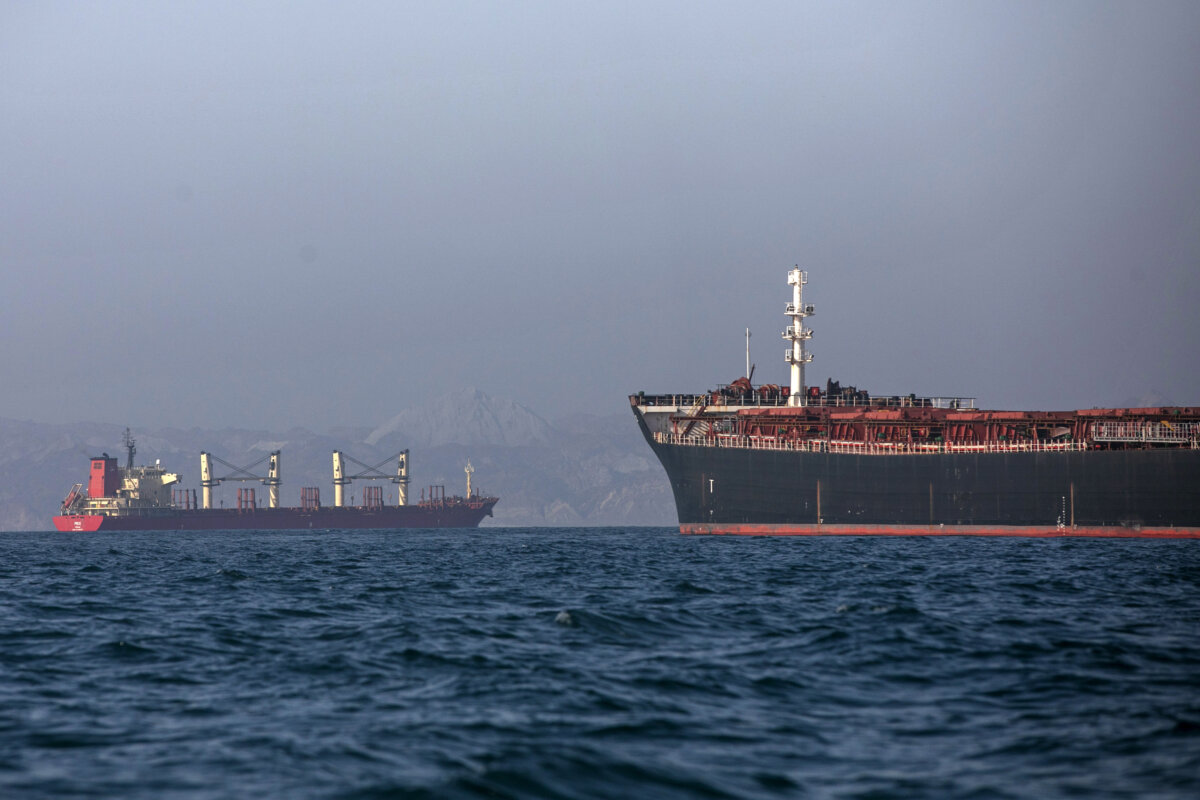
In the meantime, the Strait of Hormuz, which carries about a fifth of the world’s oil on a normal day, has effectively been closed off to commercial traffic since the conflict started. The U.S. military has responded by imposing a blockade on Iranian ports, redirecting 100 ships since the blockade announcement in April.
The Associated Press contributed to this report.
 Friends Read Free
Copy
Facebook
Tweet
Friends Read Free
Copy
Facebook
Tweet