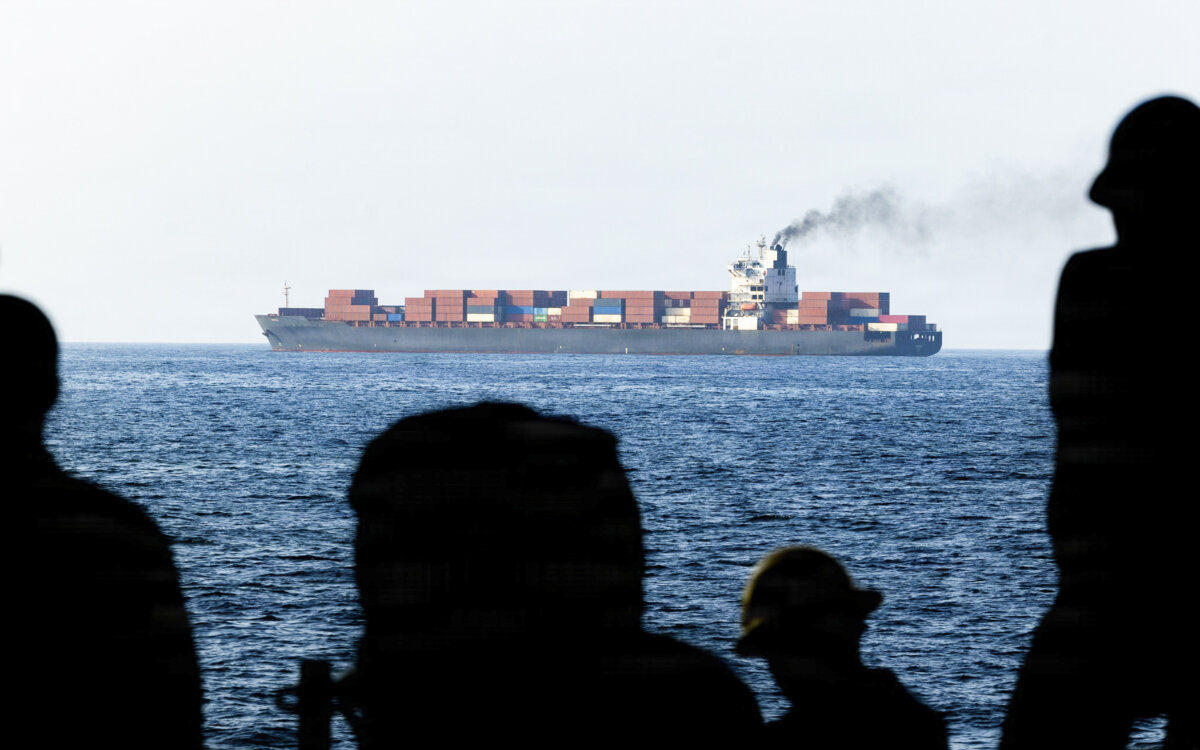

President Donald Trump said on June 10 that he ordered the U.S. military to conduct a secret mission to transport about 100 million barrels of crude oil through the Strait of Hormuz and into the open market.
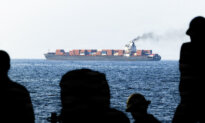
Since the start of the war in Iran—approaching its 15th week—the Strait of Hormuz has been closed because of the conflict. The narrow waterway has been at the center of global energy markets, as it handles 20 percent of the world’s oil supply.
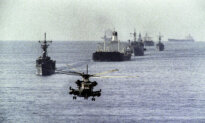
In a Truth Social post, Trump stated that he directed the military last month to complete a “secret mission” to help oil tankers and commercial vessels transit the global chokepoint.
“Today, I am pleased to announce that this effort has resulted in more than 100 MILLION Barrels of Oil making its way through the Strait, and into the Open Market,” Trump said on his social media platform. “More than 200 Commercial Ships have safely traveled through the Strait.”
The mission was successful because the United States controls the strait rather than Iran, the president said.
“Their military is defeated, and their economy is lost,” he wrote. “It’s over for Iran!”
His remarks come shortly after telling reporters that U.S. operations removed “millions of barrels” of crude from Iran. It was not publicly disclosed until he told the media at the Oval Office.
“We’ve been taking out millions of barrels of oil. Nobody knows it,” Trump said. “We’ve been taking out millions of barrels of oil, millions of barrels every night.”
Appearing before a House Committee on Science, Space, and Technology hearing on June 10, Energy Secretary Chris Wright said he was unaware of oil being taken out of Iran. Wright noted that he might not have been fully informed about the situation or that Trump might have been referring to a different operation.
Still, according to the president, this is the reason global oil prices have stabilized in recent weeks.
U.S. oil prices climbed by about 2 percent in the middle of the trading week to about $90 per barrel on the New York Mercantile Exchange. The price of Brent—the international benchmark for oil prices—also rose by 2 percent to more than $93 per barrel in overseas trading.
The price of crude has declined by more than 10 percent over the past month.
“It was very hard for me. I wanted to say it so badly, but I didn’t want to ruin it,” Trump said. “Now that they figured it out, I can tell you.”
Financial markets were on edge during the June 10 session after Trump threatened to attack Iran “very hard,” reigniting concerns that a full-scale conflict would resume.
On Truth Social, he stated that Iran “will have to pay a price” for taking too long to negotiate a peace agreement. Hours later, Trump said the United States is “going to be attacking them and attacking them very hard.”
The Epoch Times reached out to the Pentagon for comment but did not receive a response by publication time.
Global Oil Inventories
Industry observers have noted that the strait’s closure and Gulf producers’ shutting down of more than 11 million barrels per day of output have produced significant oil supply disruptions.
Oil inventories among Organisation for Economic Co-operation and Development nations could fall to their lowest levels since 2003, according to the Energy Information Administration’s Short-Term Energy Outlook released on June 9.
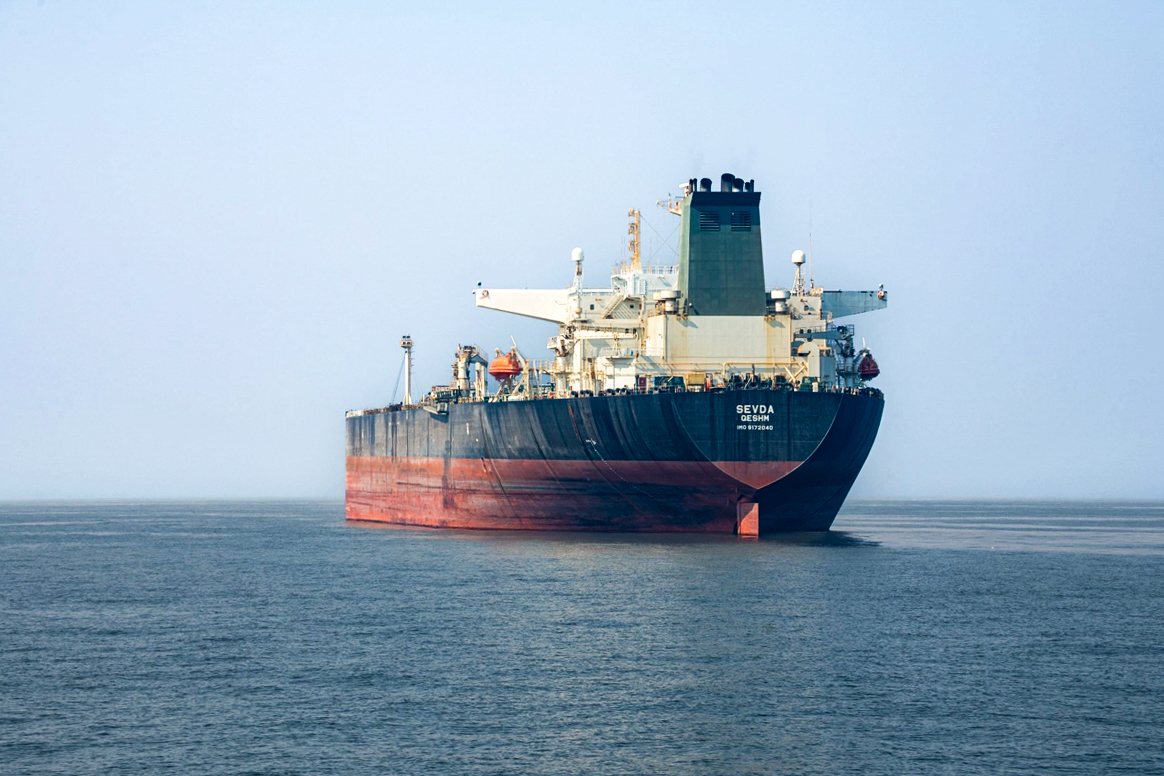
“Global oil markets remain highly volatile as very limited shipping traffic through the Strait of Hormuz has caused oil producers in the Middle East to reduce crude oil production by more than 11 million barrels per day (b/d) in May compared with pre-conflict levels,” the federal agency said in the report.
“This drop in production has resulted in large global inventory draws to meet demand.”
International supplies will decline by an average of 6.3 million barrels per day in the second quarter and by 7.6 million barrels per day in the third quarter, according to the report.
Washington and Tehran have been negotiating a memorandum of understanding that would extend the current ceasefire. Although this could temporarily ease oil prices worldwide, it will not “translate into an immediate surge in oil supply,” says Kristian Kerr, head of macro strategy at LPL Financial.
“Bigger picture, a more meaningful and sustained recovery in supply likely requires something far more comprehensive than an interim MOU,” Kerr said in a note emailed to The Epoch Times.
“The underlying physical backdrop remains tight. Inventories continue to draw at a steady clip and will only keep declining in the event of a prolonged negotiation period.”
 Friends Read Free
Copy
Facebook
Tweet
Friends Read Free
Copy
Facebook
Tweet