
The State Department has updated travel advisories for three South American nations—Chile, Paraguay, and Ecuador—over crime and other ongoing risks to visitors.
Chile is classified with a “Level 2: Exercise increased caution” designation, with crime, unrest, and health being three key risks facing travelers, according to an Aug. 19 advisory update from the department.
“Petty crime is common in Chile. Common crimes include mugging, pickpocketing, and theft. Violent crimes also occur, including assaults, homicide, carjackings, and residential break-ins,” the department said.
In the capital, Santiago, and other cities, large-scale demonstrations can occur with little or no notice. Demonstrations may disrupt transportation, including public buses and Santiago’s metro services, the department said.
Paraguay is classified under “Level 1: Exercise Normal Precautions,” with places such as Alto Parana, Amambay, Canindeyu, Concepcion, and San Pedro susceptible to crime, the State Department said in another Aug. 19 advisory update.
In these areas, criminal groups are highly active, engaged in smuggling drugs, weapons, and other items along the country’s northeastern border with Brazil. Some of these areas have low police presence, the advisory said.
U.S. government employees in the country need special authorization to travel to these locations due to security risks and are prohibited from driving between the regions at night. Employees are also banned from using municipal buses due to risk of assault and robbery.
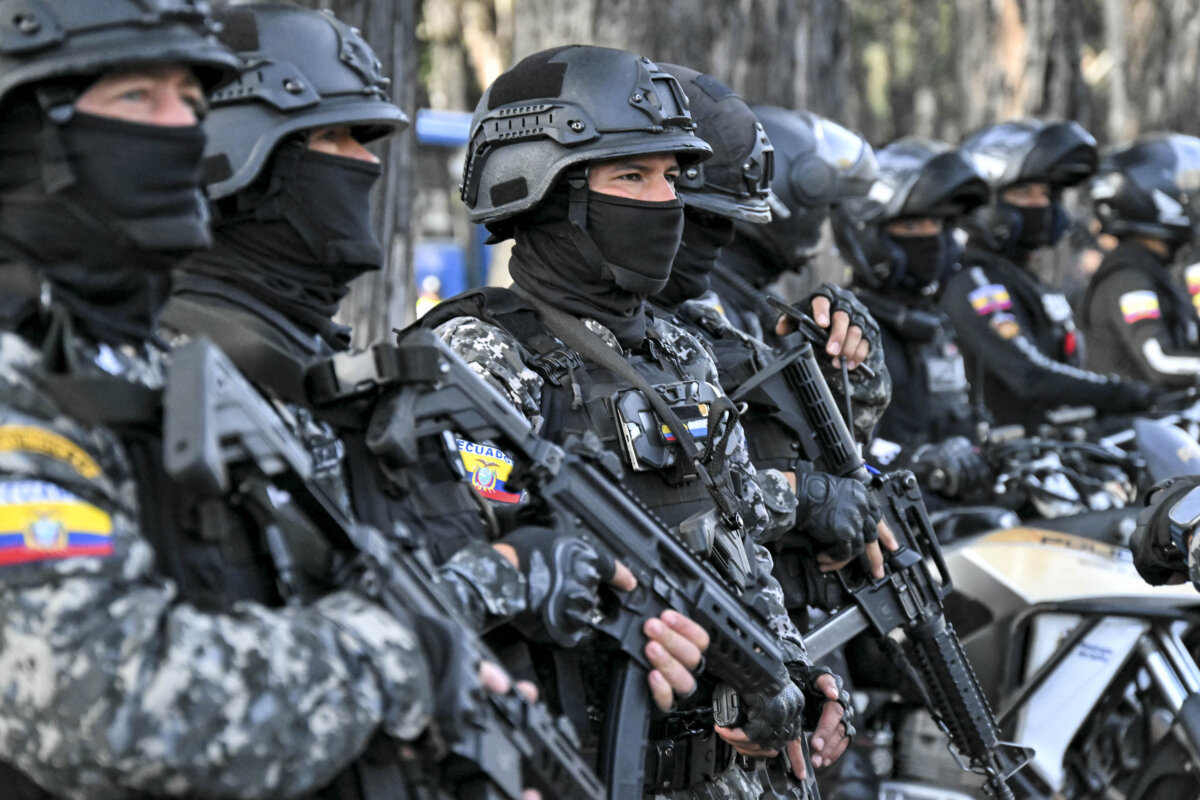
On Aug. 18, the State Department updated the travel advisory for Ecuador, warning about the risk of terrorism, kidnapping, crime, and unrest.
While the country is designated “Level 2: Exercise increased caution,” some of the areas have higher alert levels due to crime and terrorism.
For instance, the department warned against traveling to places such as the Guayaquil, Nueva Prosperina, and Pascuales districts, as well as Quevedo, Quinsaloma, Pueblo Viejo, Huaquillas, Arenillas, Duran, Esmeraldas City, and areas north of the city.
The department advised reconsidering travel to certain locations, including all areas north of Portete de Tarqui Avenue in El Oro province and areas south of Esmeraldas City.
The advisory highlighted that U.S. government employees are prohibited from visiting some of these places.
According to the department, crime is widespread in Ecuador, with violent crime connected to drug trafficking, like murder, assault, and kidnapping, being common; the department added that there have been reports of U.S. citizens and lawful permanent residents becoming victims of kidnapping and extortion.
According to data from the World Bank Group, among the three South American nations, Ecuador had the highest intentional homicide rate in 2023 at 46 per 100,000 people. Paraguay had seven per 100,000, and Chile had six.
In 2024, more than 251,000 Americans visited Chile, according to data from the Chilean government. Americans were the largest group of visitors to Ecuador in 2025, with 515,565 people visiting the country, according to an independent source.
Panama Advisory, Peru Alert
Panama is also designated with a “Level 2: Exercise Increased Caution” classification, according to another Aug. 19 State Department advisory update.
Travelers face the risk of theft and residential break-ins, with tourist areas susceptible to purse snatching and pickpocketing. The U.S. embassy receives occasional reports of break-ins at visitors’ residences.
The Mosquito Gulf, an extremely remote area along the north coast of Panama, has been designated as “Level 4: Do Not Travel” due to crime. The department warned against traveling within 10 miles of the coastline from Alligator Creek to Cocle del Norte, citing drug trafficking and other illegal activities in the region.
Parts of the Darien Region have a Level 4 designation, especially the communities of Lajas Blancas and El Salto, as well as all areas south of Jaque, Manene, and Yaviza. These regions see criminal activity and human trafficking operations, with police presence and emergency response “extremely limited,” the advisory said.
In 2023, Panama attracted more than 2.5 million visitors, according to data from UN Tourism.
In addition to updated travel advisories for the three South American nations and Panama, the U.S. Embassy in Peru issued an alert on Aug. 19, warning visitors about inclement weather that has led to road closures and disrupted airport operations.
Weather conditions have disrupted services at the airports in Arequipa and Cusco, the embassy said, asking travelers with flights in the region to check with their airline for the current flight status.
In addition, the Peruvian government has announced that the Inca Trail, a popular trekking route, has been shut down till Aug. 22.
Meanwhile, a “Worldwide Caution” security alert for American travelers, issued by the State Department on July 22, remains in effect amid tensions in the Middle East.
Iran and its supporting groups may target U.S. interests overseas, with locations linked to the United States and Americans anywhere in the world vulnerable to attacks, including U.S. businesses and institutions, the alert said.
 Friends Read Free
Copy
Facebook
Tweet
Friends Read Free
Copy
Facebook
Tweet