
Iran announced on Aug. 16 that it will offer a bounty of $30,000 to any individual who “kills or captures a U.S. soldier and hands them over to authorities,” according to Iranian state media.
Iranian Army Commander-in-Chief Major General Amir Hatami revealed the bounty on Sunday at a ceremony that was allegedly held to honor journalists.
Hatami suggested he’d double the reward if an Iranian woman killed or captured a U.S. soldier.
The government suggested that it would even purchase the weapon used in the murder and display it in a museum.
In a separate announcement on Sunday, Iran’s armed forces insisted the regime would “continue resistance” against the United States and Israel until it accomplished their “complete defeat.”
The latest updates out of Iran come one day before the Memorandum of Understanding between the United States and Iran was set to expire. However, Trump previously said in early July that the ceasefire was “over” based on Tehran’s ongoing attacks.
That interim deal, revealed on June 17, had included a 60-day negotiation period as officials worked to end the Iran war, reopen the Strait of Hormuz, and restrain Tehran’s nuclear ambitions.
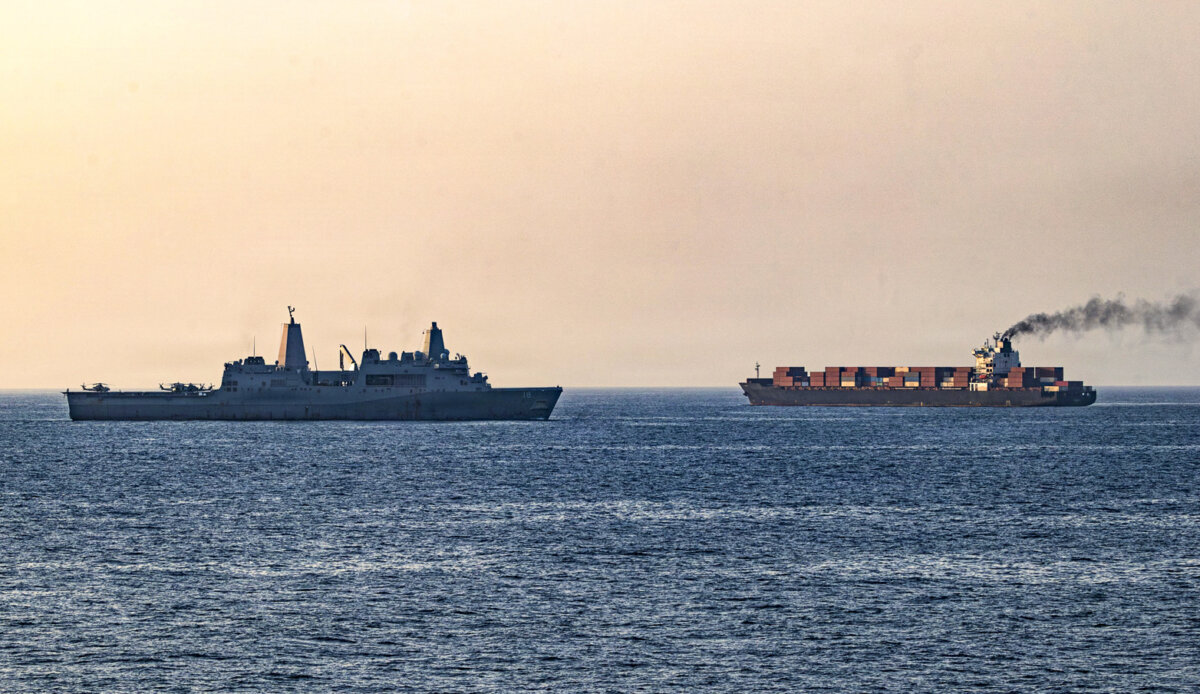
But in the weeks that followed, Iran attacked commercial vessels attempting to navigate the Strait of Hormuz, prompting U.S. Central Command (CENTCOM) forces to hit 80 Iranian targets.
On Aug. 10, Trump added that he wanted the regime to agree to pay for damages in the region.
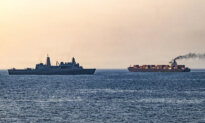
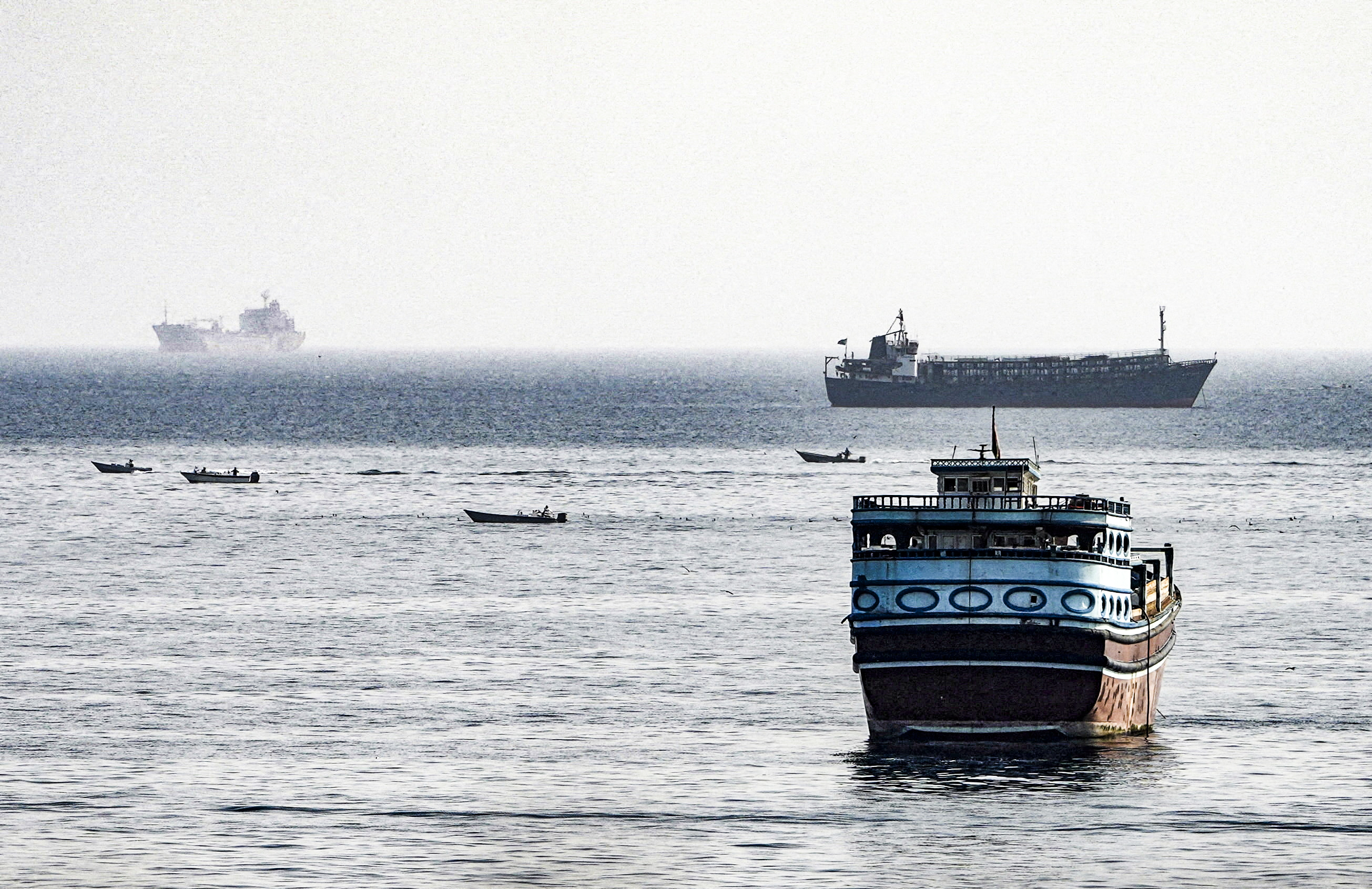 Vessels in the Strait of Hormuz, as seen from Musandam, Oman, on Aug. 3, 2026. (STR/Reuters)
He previously urged the regime to pay reparations to the families of people it killed while in power, including the estimated 52,000 protesters whom the regime is believed to have killed earlier this year.
Uncertainty in the region has continued to slow operations in the Strait of Hormuz—a crucial waterway that was used to transport one-fifth of the world’s tradable oil before the conflict broke out on Feb. 28.
Most recently, the United Arab Emirates (UAE) accused the Iranian regime of attacking a series of Abu Dhabi National Oil Company vessels attempting to pass through the Strait of Hormuz between Aug. 8 and Aug. 15.
“The Ministry of Foreign Affairs (MoFA) underscored that this attack constitutes a flagrant violation of UN Security Council resolution 2817, which affirmed the importance of freedom of navigation, and rejected the targeting of commercial vessels or the obstruction of international maritime routes,” an Aug. 15 statement from the UAE’s Ministry of Foreign Affairs reads.
 Friends Read Free
Copy
Facebook
Tweet
Friends Read Free
Copy
Facebook
Tweet