
A total of 592 cases of silicosis were identified between January 2019 and June 2026 among California workers who were fabricating engineered stone countertops, with 31 people dying from the illness, according to a public health alert.
Of the 592 cases, 65 workers underwent lung transplantation, said the Aug. 12 public health alert report published in the NEJM Evidence journal. Silicosis is a progressive, incurable lung disease that is caused by inhaling crystalline silica.
Engineered stone slabs, made by mixing crushed quartz powder with polyester resins and pigments, contain high levels of crystalline silica, typically more than 90 percent.
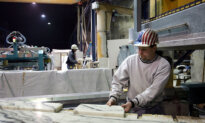
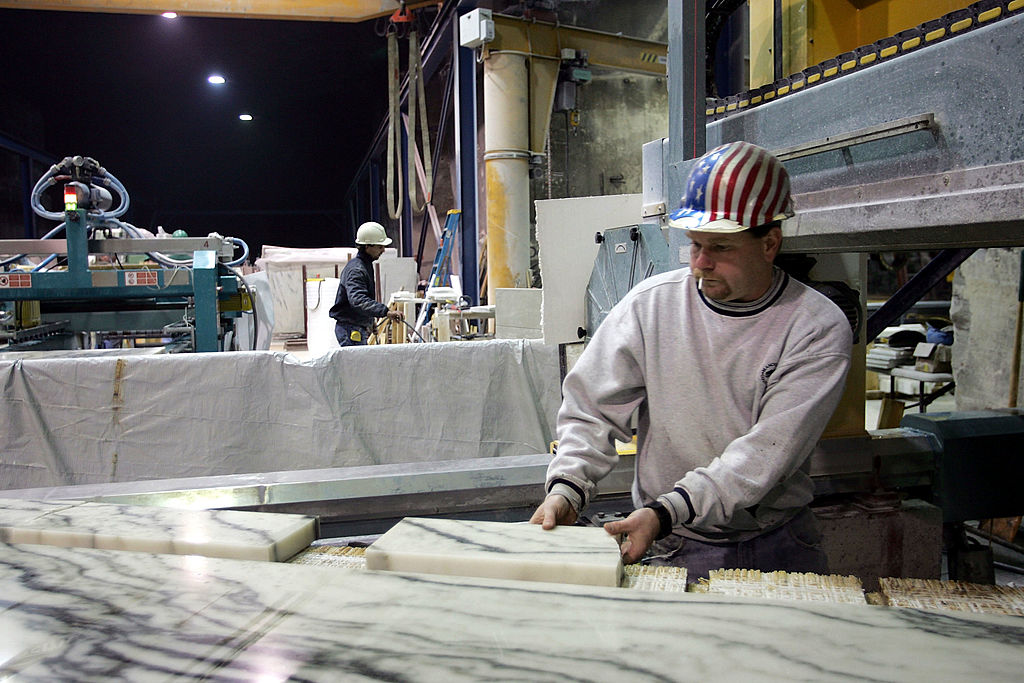
Workers who fabricate engineered stone slabs into countertops can be exposed to hazardous levels of such crystalline silica and other volatile compounds when they cut, grind, and polish the slabs.
The numbers on silicosis cases come from the California Department of Public Health, which in 2019 identified the state’s first known case of silicosis in a countertop fabrication worker.
The 592 cases identified so far are notable for the young age at diagnosis among patients, the rapid progression of the illness, and the frequent co-occurrence of other silica-associated illnesses, including tuberculosis and autoimmune diseases, the report said.
The median age at diagnosis was 46 years, and the median age at death was 52 years. The workers had a median of 22 years of occupational silica dust exposure. Out of the 592 cases, 591 were males.
“Although silicosis is preventable with reduction or elimination of silica dust exposure, the water-based tools and ventilation systems required to control silica dust are costly to install and maintain, and overexposures can occur even with recommended controls in place,” the report said.
According to a Jan. 30 update from the American Lung Association, when silica dust is inhaled, the lungs suffer inflammation and permanent scarring, especially around the airways and air sacs. This makes it difficult for the affected person to breathe.
Roughly 2.3 million workers across the United States are estimated to be exposed to silica in their workplaces, including two million in the construction sector alone.
The most common symptoms of silicosis include difficulty in breathing, long-lasting cough, and chest or back pain, the association said. Other symptoms can include muscle weakness, night sweats, fever, chest pains, fatigue, and inexplicable weight loss.
According to the Aug. 12 report, authorities have taken steps to address the threat posed by silicosis to workers. However, workers remain at risk, and enforcing regulations is a challenge.
For instance, in 2024, the California Division of Occupational Safety and Health inspected only 85 of the more than 1,300 countertop fabrication shops in the state. And among these 85 shops, 95 percent were found to be in violation of safety regulations, the report said.
The report suggested establishing or strengthening silicosis surveillance systems and implementing active screening programs for the disease. This could provide policymakers with information to take actions to prevent silicosis among workers.
Last October, California Gov. Gavin Newsom approved Senate Bill 20, which sought to tackle the threat of silicosis faced by workers.
The bill enhances the safety of workers in the stone fabrication industry by enforcing safety regulations and raising public awareness, according to a September 2025 statement from the office of California state Sen. Caroline Menjivar.
The bill bans the practice of dry cutting stone countertops, classifies silicosis from artificial stone as a serious illness or injury to strengthen enforcement response, and requires the California Department of Public Health to conduct outreach and education activities to relevant employers and workers.
According to a November 2025 health advisory from the California Department of Public Health, silicosis is a reportable disease in California. Health care providers are required to report suspected or identified cases of the illness to local health departments.
“Providers should ask patients about their work and conduct testing for silicosis in countertop workers, including those without symptoms,” the department said.
 Friends Read Free
Copy
Facebook
Tweet
Friends Read Free
Copy
Facebook
Tweet