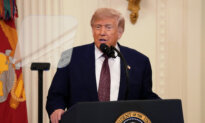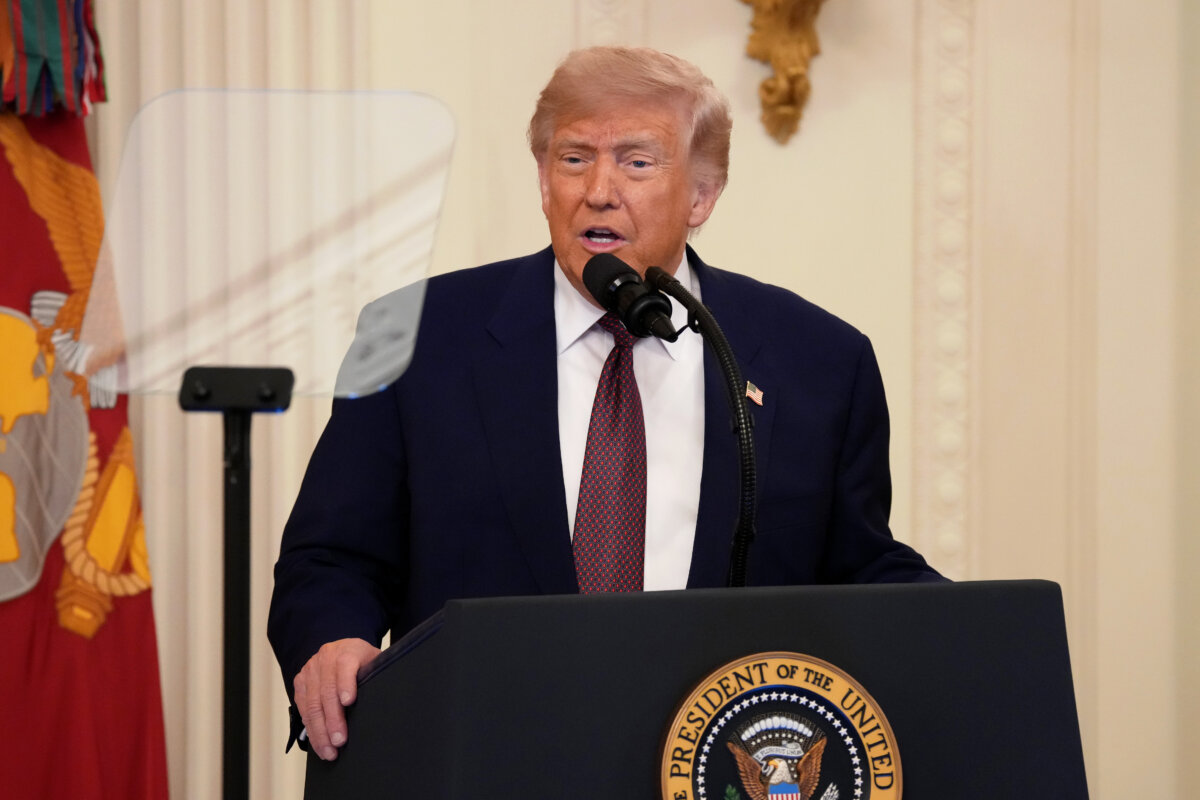

U.S. President Donald Trump said on June 19 that a potential U.S. operation in Cuba could resemble the swift U.S. raid that captured Venezuelan leader Nicolás Maduro in Caracas early this year.
In an interview with Axios, Trump said the timing of any action regarding Cuba remains “flexible” and declined to offer further details.
When asked whether such an operation could resemble the Jan. 3 helicopter raid in Venezuela, Trump said, “It’s possible.”
During the mission, known as “Operation Absolute Resolve,” special forces breached a fortified compound and captured Maduro and his wife. Since then, the Trump administration has established close cooperation with Venezuela’s interim government.
The president said Secretary of State Marco Rubio is involved in the Cuba policy.
“Marco’s doing a great job,” Trump said. “Marco’s parents—it’s such a great story—his parents were from Cuba.”
Trump said the operation in Venezuela was less complex than the military campaign against Iran.
“The Iran operation, in a certain way, is much bigger, much more powerful from the standpoint of weaponry than Venezuela,” Trump said.
He said distance was also a major factor.
“These places are close by,” Trump said. “Whereas if you look at Iran, that’s a very long trip. I flew to that area a few times and unrelated to this, but you’re flying for 18 hours, you’re flying for a long time. Venezuela is relatively close, and Cuba is a hopscotch.”
Trump also pointed to what he sees as a key difference between Venezuela and Cuba.
“Venezuela has oil,” he said. “Cuba doesn’t. Cuba has nice property, and a nice shoreline.”
Trump’s return to the White House in January 2025 has brought back the “maximum pressure” campaign against Cuba, leading to a breakdown in formal relations between the two countries.
Following the U.S. military operation in Venezuela, Washington restricted oil shipments to Cuba. That meant no more cheap Venezuelan oil, and Cuba lost its main economic lifeline. As a result, Cuba has plunged into a severe economic and energy crisis.
In recent months, the Trump administration has intensified its pressure campaign by expanding sanctions on state-owned businesses, government agencies, and senior officials.
On May 20, one of the most significant escalations since the Cold War occurred when former Cuban President Raúl Castro was indicted on murder charges in the United States.
Meanwhile, conditions in Cuba continue to deteriorate, including daily blackouts and severe shortages of food, clean water, and basic medicine. Public frustration has fueled protests across the island.
Trump earlier floated the idea of a “friendly takeover” of the island, which is 90 miles south of Florida.
“We’re going to have Marco get involved with Cuba,” Trump told Axios. “Cuba wants to talk very badly.”
 Friends Read Free
Copy
Facebook
Tweet
Friends Read Free
Copy
Facebook
Tweet