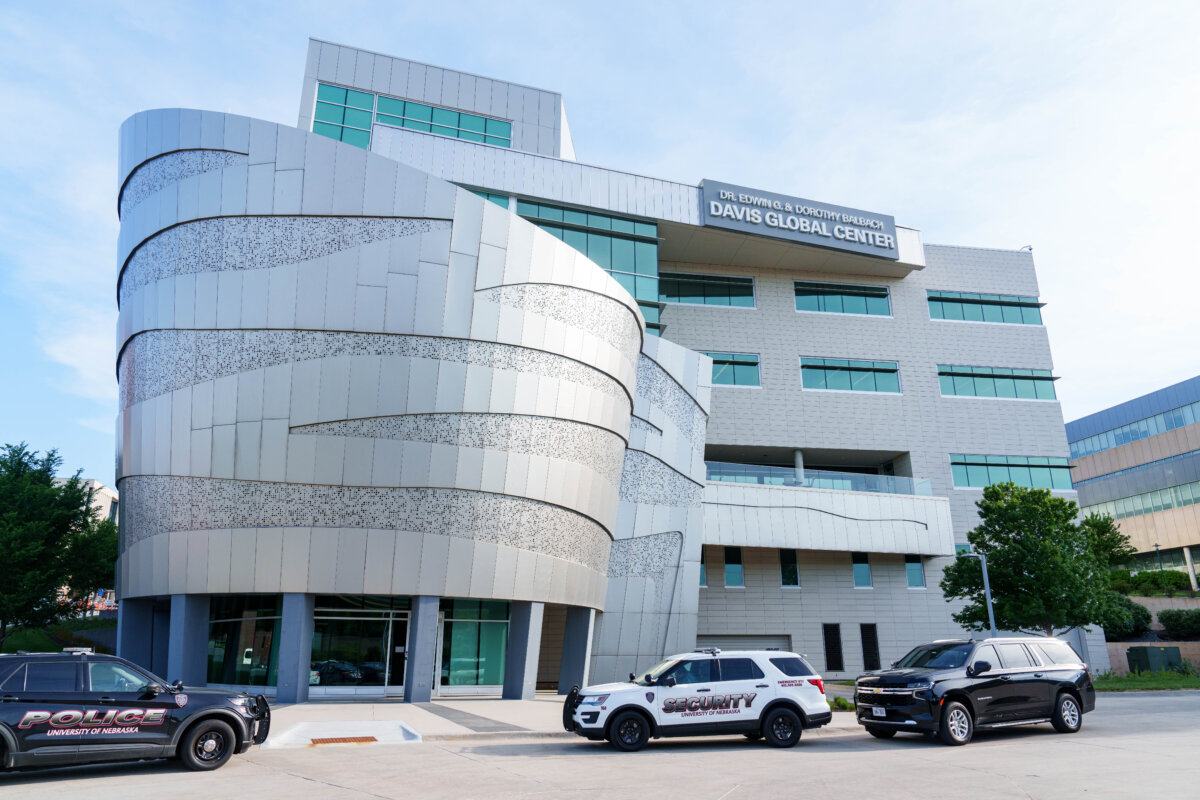

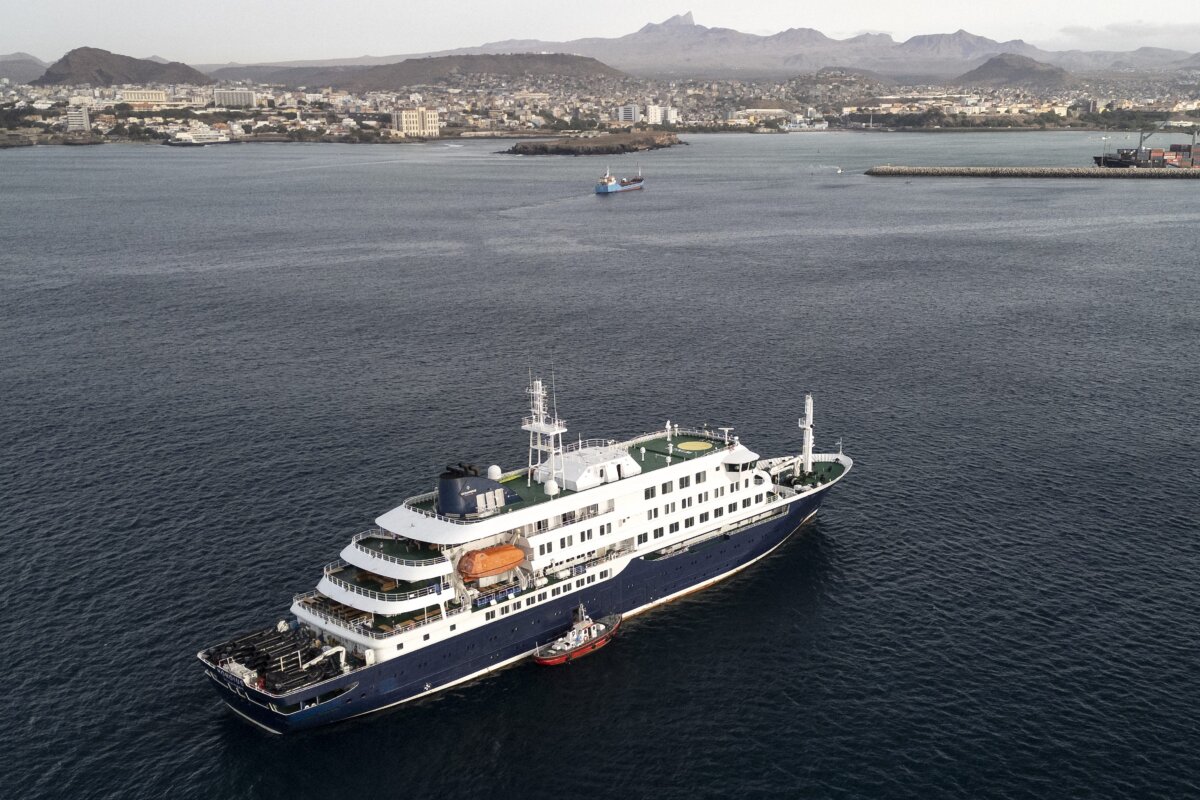
An oncologist traveling on the cruise ship at the center of a hantavirus outbreak has been cleared to leave a special biocontainment unit in Nebraska. Dr. Stephen Kornfeld of Bend, Oregon, was among more than 120 passengers and crew evacuated from the ship and flown to various countries for quarantine.
Kornfeld helped care for fellow passengers who became sick on board and was brought to the University of Nebraska Medical Center in Omaha with 15 other Americans, but he was the only one taken to an isolated biocontainment unit after a nasal swab he took on the ship produced inconclusive results on whether he had the virus.
Dr. David Fitter, the Centers for Disease Control and Prevention’s manager for the hantavirus response, told reporters during a media call on May 13 that the “initial test that we received was from abroad, and it was inconclusive in its results.”
Kornfield has now been medically cleared and joined the others in the quarantine unit, Nebraska Medicine said in a May 13 update.
“One passenger, who arrived from the Canary Islands early Monday morning, was initially admitted to the Nebraska Biocontainment Unit. He has since been medically cleared to move to the National Quarantine Unit,” it said.
The risk to the general public from hantavirus remains low, Fitter said, adding that the CDC had mobilized more than 100 staff members.
“Hantavirus is a known pathogen. While Andes virus has some distinct characteristics, including rare person-to-person transmission, our experts have allowed us to respond effectively while remaining vigilant about its unique features,” Fitter said during a media call on Wednesday. “At this moment, I want to emphasize that the risk to the general public is low.”
When a reporter raised comparisons to the early messaging around COVID-19 being low risk, Fitter drew a sharp distinction.
“This is not a novel virus. This is a known virus, and we’ve seen this in the United States before, and we know how to respond to it.”
In addition to the passengers taken to Nebraska, two other Americans are being monitored at the serious communicable disease unit at Emory University Hospital in Atlanta.
Health authorities say it is the first hantavirus outbreak on a cruise ship. While there is no cure or vaccine for hantavirus, the WHO says early detection and treatment improve survival rates.
The WHO is recommending that passengers and crew from the cruise ship stay in quarantine, either at home or other facilities, for 42 days.
Reuters and The Associated Press contributed to this report.
 Friends Read Free
Copy
Facebook
Tweet
Friends Read Free
Copy
Facebook
Tweet