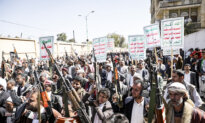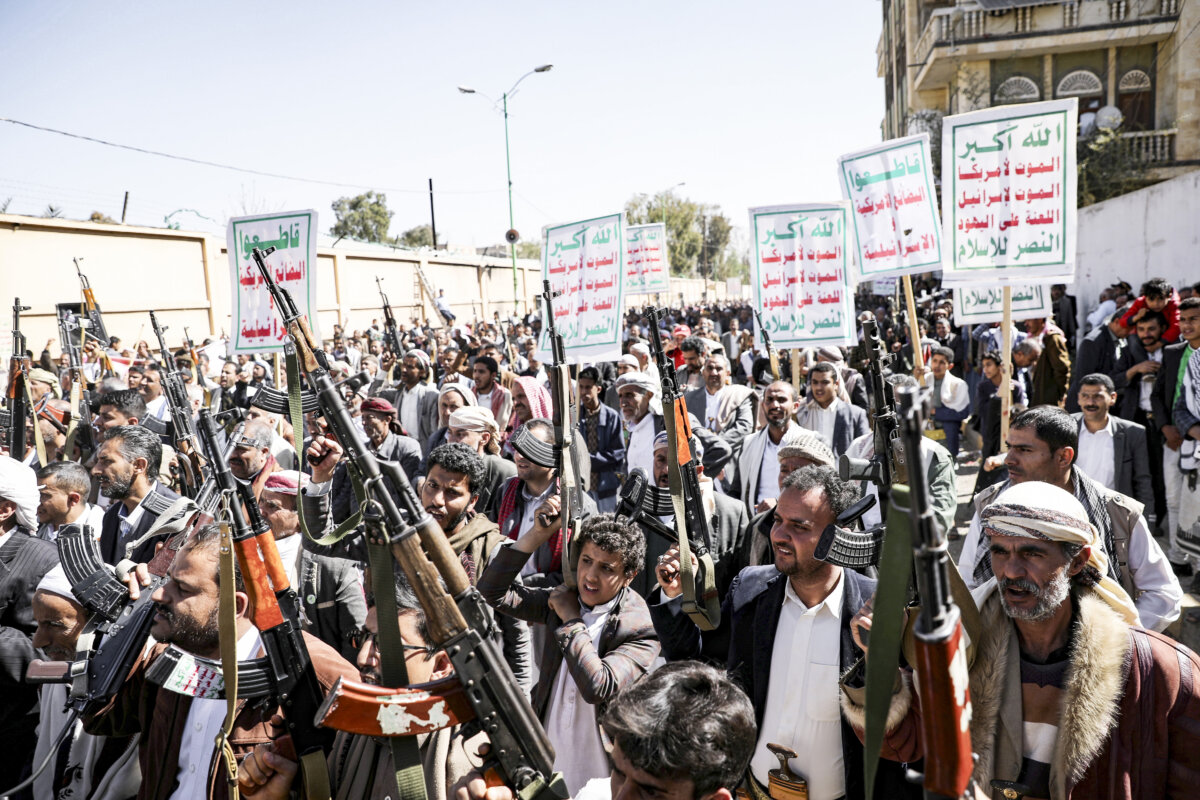

The U.S. Embassy in Saudi Arabia’s capital on Tuesday issued renewed warnings about traveling to the country amid fresh attacks launched by the Yemen-based Houthi terrorist group in recent days.
A notice posted on X by the embassy in Riyadh said that Americans should “reconsider travel to Saudi Arabia due to risk of drone and missile targeting of American interests by Iran and the Iranian-supported Houthis.”
It added that there are additional threats such as armed conflict, terrorism, exit bans, and local laws limiting social media activity.
“Some areas have increased risk … do not travel to the Yemen border due to terrorism,” the embassy wrote, linking to an advisory that was renewed on Monday.
Currently, the advisory for Saudi Arabia is listed at Level 3, which says U.S. citizens should consider not traveling to the country.
It also said U.S. government employees in the country have special travel restrictions.
Employees need special authorization to use any airport; they cannot travel within 20 miles of the Saudi-Yemeni border due to safety issues; and they need special authorization to travel to cities such as Qatif, Taif, and Yanbu, as well as the provinces of Jizan, Asir, and Najran.
American citizens who are not government employees were advised “to take similar precautions,” according to the notice.
Both Iran and the Houthi group, which is backed by Tehran, have launched drone and missile attacks in Saudi Arabia, targeting airports, military bases, diplomatic facilities, energy facilities, and cities, the notice said.
In recent days, the Houthis have struck multiple airports in Saudi Arabia.
“Iran-backed Houthi rebels have threatened to attack Saudi Arabia again,” it added. “Falling debris from intercepted drones and missiles is also a risk.
“U.S. citizens living and working near energy infrastructure and military bases may be at increased risk, especially closer to the border with Yemen.”
“Do not photograph, film, or share information about missile or drone interceptions or impact sites,” the embassy said as Saudi officials “have detained U.S. citizens for taking photos of recent events.”
The advisory comes as Saudi and Yemeni forces have continued to trade strikes, with the Houthis saying on Tuesday that Saudi Arabia was attacking the Yemeni capital Sanaa after a Saudi-led coalition warned civilians to stay away from an oil depot on the city outskirts.
The Houthis have for a week been targeting Saudi airports, including a strike on Riyadh on Saturday that killed 13 people, in retaliation for the kingdom’s backing of government forces against the Houthis in Yemen’s reignited civil war.
The Saudi cabinet, chaired by de facto ruler Crown Prince Mohammed bin Salman, issued a statement saying the Houthis would face consequences for their repeated attacks on the kingdom.
Saturday’s ballistic missile strike on Riyadh airport was the deadliest in Saudi Arabia for a decade, with further attacks grounding flights across the country even as it hosts a major energy conference.
U.S. President Donald Trump also spoke to Bin Salman on Tuesday, he told reporters, adding that the Houthis were “behaving very badly.”
He said he may ask Turkey, a NATO member and ally, to intervene in support of Saudi interests.
Reuters contributed to this report.
 Friends Read Free
Copy
Facebook
Tweet
Friends Read Free
Copy
Facebook
Tweet