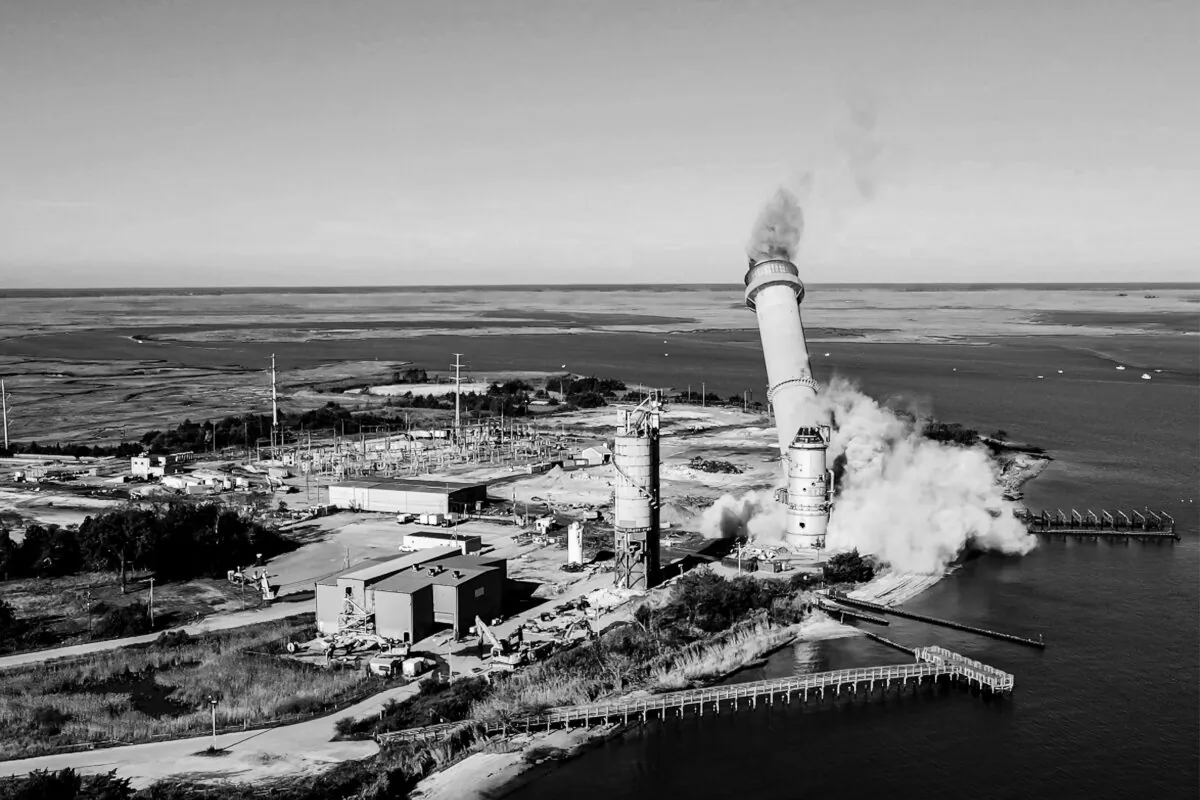

Energy Secretary Chris Wright has vowed that the Department of Energy (DOE) will continue to use its authority under the century-old Federal Power Act to stall the planned retirements of up to 54 fossil fuel power plants by 2028 to ensure that the nation’s electric grid can cost-efficiently handle rapidly expanding demand from data centers and use of artificial intelligence.
“We’re stopping the closure of all these plants way before their retirement date,” he told President Donald Trump and fellow Cabinet members during an Aug. 26 White House meeting.
Wright gave updates on the progress made since Trump declared an energy emergency on his first day in office and signed an April executive order directing the DOE to use its emergency jurisdiction under Section 202(c) of the 1920 Federal Power Act to delay planned electric plant closures until the president deems the energy emergency resolved.
The secretary said that under the previous administration’s Clean Power Plan 2.0 adopted in April 2024, the “plan over the next five years [was] to close 100 gigawatts [GW] of reliable electric generation”—enough electricity for 100 utility plants to power more than 72 million homes.
Meanwhile, Wright said, only 22 GW of new “reliable electricity generation” was set to go online during that same period.
The net loss of 78 GW of “reliable electricity generation”—meaning “dispatchable” electrons fired by coal, natural gas, oil, or nuclear power, and not intermittent renewable energies generated by solar and wind—is unacceptable if the United States is to retain its edge in artificial intelligence over communist China, especially in national defense applications, he said.
The old administration’s plan “was to close more than four times as much electricity generating capacity as they were going to build in that five-year period” between 2024 and 2029, Wright said.
“How do we lead the world in artificial intelligence while shrinking our supply of reliable electricity?” he asked. “How do we re-shore steel and aluminum and automobiles and semiconductors, all those jobs Americans want back in our country?”
Wright said that in some cases, plants reach their end of life when they are decades old and deemed obsolete and cost-prohibitive by utilities and regional transmission operators.
“That’s a small percent of the plant closures,” he said. “Most of those [planned closures] were just political nonsense at the cost to American taxpayers.”
Looming Power Outages
According to a July DOE grid reliability study, U.S. power outages could increase by 100 times by 2030 without added “reliable” generation. The study cites an ever-widening gap between demand and supply.
The study projects that 104 GW will be retired from the grid by 2030 and replaced by 209 GW of new electricity generation but that only 22 GW of that new energy will come from “reliable electricity generation” provided by coal, natural gas, or nuclear.
A February 2025 forecast by the Energy Information Administration documented that about 12.3 GW of electric generation would retire in 2025, with coal accounting for 8.1 GW of that total—nearly double the amount of coal capacity retired in 2024.
Under the Federal Power Act’s Section 202 and Trump’s executive order, the DOE has the authority to temporarily order power plants to operate during wars and emergencies. It has been invoked 17 times since August 2020, according to the DOE.
Shutting Down Shutdowns
Wright, thus far, has only issued two 90-day orders, both in May. One has been extended, and the other is likely to be extended before Sept. 1.
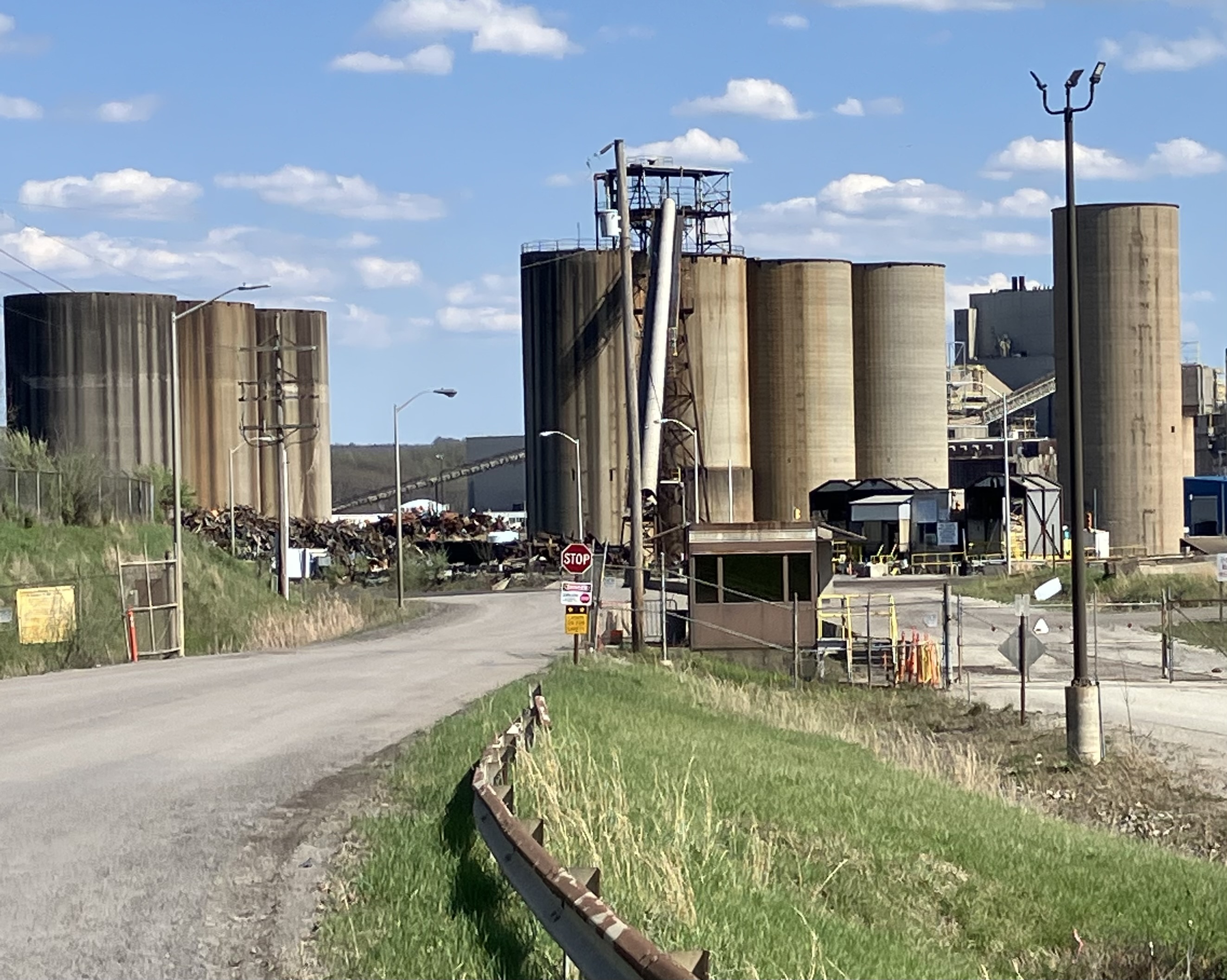
On May 23, he ordered Consumers Energy to keep the 1,420-megawatt, coal-fired J.H. Campbell power plant in Michigan open past its planned May 31 shutdown. On Aug. 20, he extended the order to Nov. 19.
In a May 30 emergency order, Wright directed Constellation Energy to keep operating two units at its Eddystone power plant near Philadelphia for 90 days. The 760-megawatt oil- and gas-powered units—installed in 1967 and 1970—were set to be shuttered on May 31.
Declaring an emergency in parts of the PJM Interconnection’s footprint, the DOE ordered Constellation Energy and PJM to continue operating 760 megawatts of oil- and gas-fired peaking capacity in Pennsylvania that Constellation had planned to deactivate the next day.
That order expires Aug. 28 but is likely to be extended. PJM Interconnection agrees that a potential emergency exists in its 13-state transmission grid.
“The department’s order is a prudent, term-limited step that will retain the covered generators for a 90-day period,” the grid operator said in a May 31 statement. “This will allow DOE, Constellation Energy, and PJM to undertake further analysis regarding the longer-term need and viability of these generators.”
Not so in Michigan, where state Attorney General Dana Nessel has challenged the DOE’s use of emergency powers in what she argues is not an emergency.
Consumers Energy is also questioning the viability of keeping the plant open when other energy sources are available, noting in its second quarter filing with the Securities and Exchange Commission in July that it spent $29 million in the first 38 days of the DOE order to keep the plant online, more than double its initial estimates.
If all 52 power plants slated to retire by the end of 2028 were forced by the DOE to remain open, “the cost to ratepayers could exceed $3.1 billion per year,” according to a Grid Strategies analysis conducted for Earthjustice, Environmental Defense Fund, National Resources Defense Council, and Sierra Club. It states that if the 90 fossil fuel plants set to shutter between 2032 and 2035 remain open, “the cost could reach nearly $6 billion per year for ratepayers.”
Wright told the president and fellow Cabinet members that such dire projections do not reflect how quickly the administration is clearing away regulatory hurdles to grow the grid with coal, natural gas, and nuclear power while steering away from more expensive and less reliable solar and wind generation.
“So we have rapid new construction of power plants in the United States,” he said. “We’re doing everything we can with suppliers who build the equipment for these power plants.
“[The alternatives are] totally nuts economically, totally nuts for national security and, of course, crushing for working Americans.”
 Friends Read Free
Copy
Facebook
Tweet
Friends Read Free
Copy
Facebook
Tweet