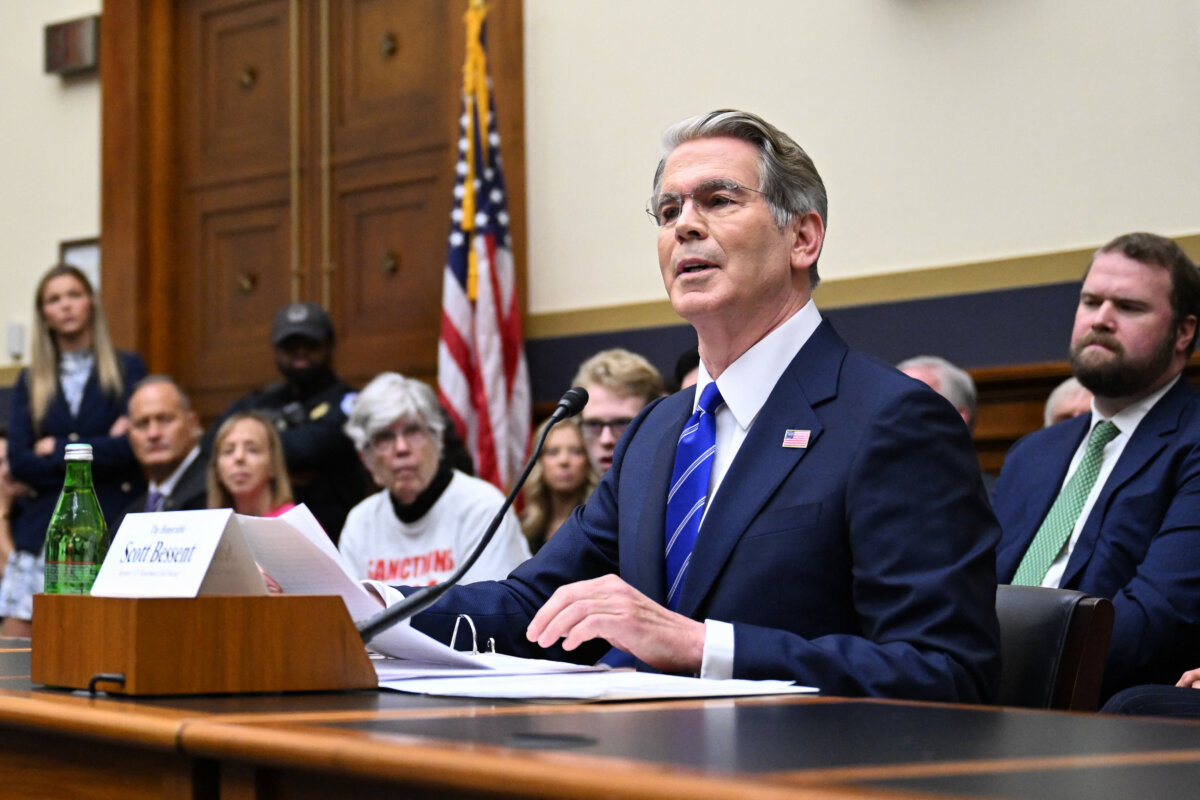

The United States has warned foreign financial institutions that they could face sanctions if they continue doing business with Iran, as Washington steps up its campaign to cut the country off from the U.S. financial system.
The U.S. Treasury Department said in an Oct. 5 alert that such entities “could be targeted at any time without advance notification” and urged them to end those relationships immediately.
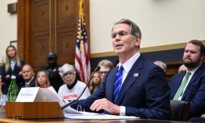
The warning marks a further expansion of Operation Economic Outcast, a sanctions campaign announced by Treasury Secretary Scott Bessent on Aug. 24 that has increased the risk of secondary sanctions for individuals and companies involved in Iran’s digital assets, technology, gold, aviation, and shipping sectors, according to the Treasury.
A central theme of Monday’s alert is what the Treasury describes as Iran’s use of shadow banking networks. According to the department, Iran relies on trusted intermediaries, front companies, and shell companies to disguise financial transactions linked to oil sales and other commodities.
This allows money to move through the international financial system while obscuring its connection to Iran.
The Treasury urged financial institutions to strengthen measures to identify and disrupt such activity. It pointed banks to previous guidance issued by the Financial Crimes Enforcement Network, including alerts on sanctions evasion, front companies, digital assets, and illicit oil smuggling.
In August, the Treasury proposed revoking Banque Misr UAE’s access to U.S. financial institutions. Last month, the United States sanctioned a Turkey-based bank and two of its subsidiaries, and designated one of Russia’s largest banks, VTB Bank.
Pressure Expands to More Industries
The U.S. government imposed additional sanctions on Tehran on Oct. 1 targeting Iran’s automotive and rail industries. The Treasury said the measures built on earlier sanctions targeting individuals and companies involved in Iran’s shipping, aviation, technology, gold, and digital asset sectors.
According to the Treasury, Iran has become increasingly dependent on industries such as automotive manufacturing and rail transport after a U.S. military blockade prevented it from exporting oil.
Earlier in September, the Treasury sanctioned 27 Iranian airline operators accused of transporting military personnel and weapons, and eight foreign companies it said had supported Iran’s aviation sector.
Iran Rejects the Measures
Iranian officials have repeatedly dismissed the sanctions campaign, arguing it will not change Tehran’s position.
Addressing the U.N. General Assembly on Sept. 23, Iranian leader Masoud Pezeshkian said sanctions will only increase resistance of the Iranian people.
“We will never bow our head or bend at the knee,” he said.
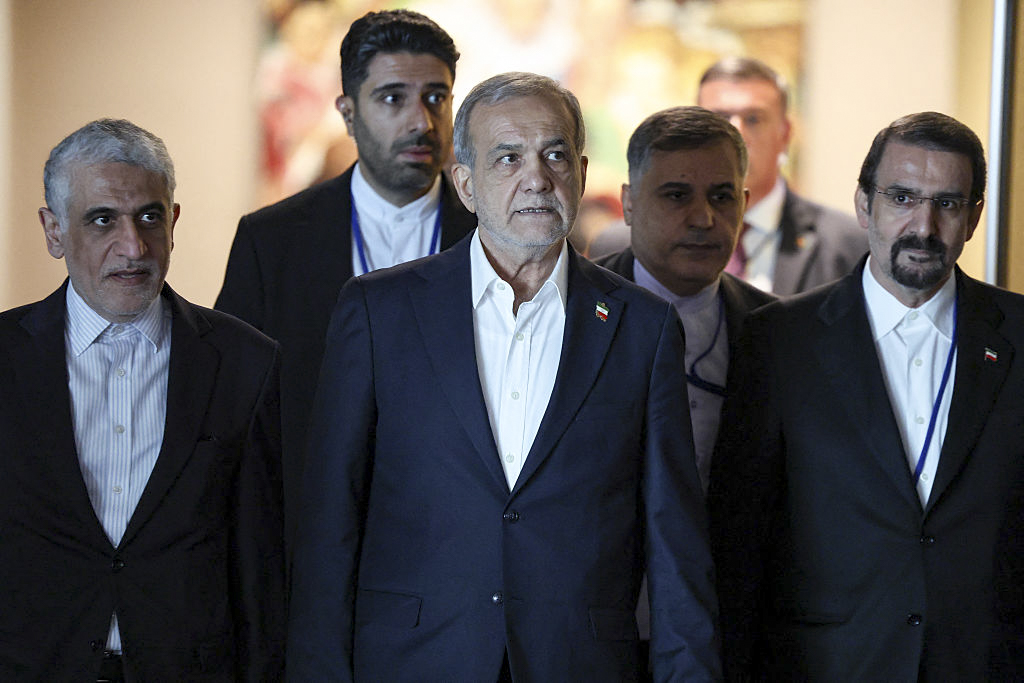 Iranian leader Masoud Pezeshkian (C) on his way to a meeting on the sidelines of the U.N. General Assembly at the U.N. headquarters in New York City on Sept. 24, 2025. (Ludovic Marin/AFP via Getty Images)
In a Sept. 8 post on X, he said the United States had imposed sanctions on Iran for nearly five decades before going to war with the country on Israel’s behalf. He said Washington had failed to achieve its objectives through sanctions or war.
In Iran’s parliament, speaker Mohammad Bagher Ghalibaf said on Sunday that the Strait of Hormuz, a key waterway that connects oil-producing countries in the Gulf with broader markets, will not be opened until the conditions of a memorandum that was signed by the United States and Iran over the summer are met, according to the semi-official IRNA.
U.S. Central Command said on Oct. 5 that U.S. forces had redirected 130 ships to ensure compliance with the ongoing U.S. naval blockade against Iran.
Jack Phillips contributed to this report.
 Friends Read Free
Copy
Facebook
Tweet
Friends Read Free
Copy
Facebook
Tweet