
The United States has pledged to contribute $1.8 billion toward the United Nations’ humanitarian aid pooled funds, the U.S. State Department said on May 14.
This will add to the $2 billion announced in December 2025, bringing total U.S. support for humanitarian funds administered by the U.N. Office for the Coordination of Humanitarian Affairs (OCHA) to $3.8 billion.
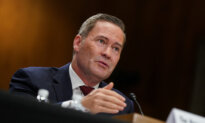
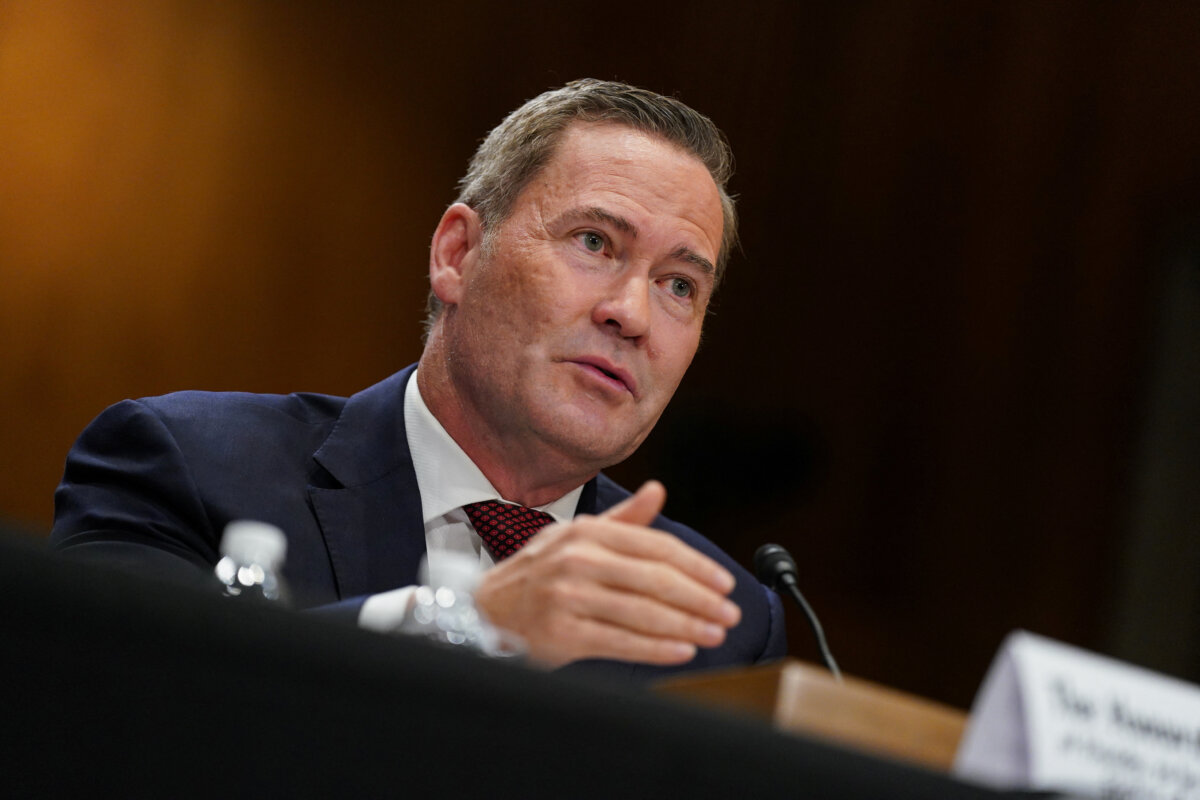
Mike Waltz, the U.S. ambassador to the U.N., said at a press conference that the latest funding would help to “save more lives around the world” and support efforts to “drive forward the reforms” of the institution.
“This isn’t the end to our efforts; in fact, it’s just the latest step. We still have a lot of work to do, again, to be completely candid to address the bloat that often undermines the United Nations’ mission,” he said.
The $2 billion funding to OCHA-managed pooled funds provided “life-saving assistance to 21.1 million people more quickly, more efficiently, and with greater focus on those facing the most acute humanitarian needs in less than four months,” according to the U.S. State Department.
The department said the funding helped support humanitarian programs across 21 countries, among them Bangladesh, Burma (also known as Myanmar), Congo, El Salvador, Sudan, Syria, Ukraine, and Venezuela.
“The United States remains the largest humanitarian donor in the world, and we call on other governments and the private sector to increase their contributions to OCHA-managed pooled funds as part of a more efficient and more accountable U.N.,” it stated.
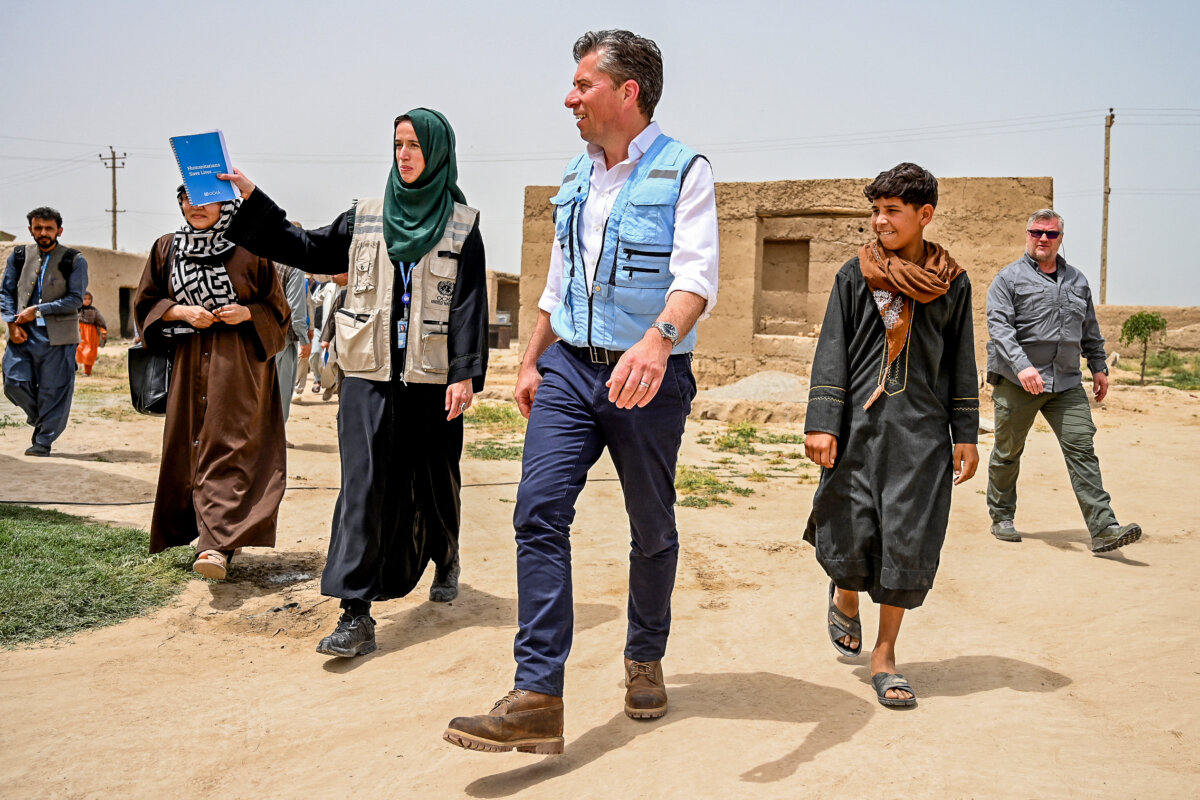
U.N. humanitarian chief Tom Fletcher, who was also present at the May 14 press conference, emphasized the critical need for more funding, saying that humanitarian agencies are underresourced and that the latest U.S. funding will help save millions of lives.
“As you’ve heard me say many times, we are facing rising needs. Over 300 million people need our support, and we’re facing declining global funding,” he said. “We are, as a result, overstretched, underresourced, and literally under attack.”
The Trump administration has cut billions in U.S. foreign aid, prompting U.N. agencies to slash spending, aid projects, and jobs. Other donors such as the UK, France, Germany, and Japan have also reduced aid allocations.
In December 2025, the United States signed an agreement with the U.N. that included $2 billion in funding and efforts to implement what it called “vital reforms” within the institution. The State Department said in a December statement that the U.N. has “increasingly failed to live up to its promise.”
Fletcher said on Thursday that the first $2 billion tranche enabled aid agencies to deliver life-saving support to 14.4 million people during the first four months of 2026.
“Among the assistance already delivered, more than six million people received food aid, while 10.4 million people gained access to safe water. The funding is also supporting more than 690 health facilities and direct assistance to over 779,000 households,” the U.N. said in a May 14 update. “In addition, around 300,000 girls and 266,000 boys are receiving support for severe malnutrition, while funding has also been directed towards protection services for women and girls, including survivors of sexual violence.”
According to the department, annual contributions by the United States have increased in recent years, reaching $8 billion to $10 billion annually in voluntary contributions for humanitarian assistance.
Many U.N. bodies abandoned their mission by “espousing radical social ideologies, acting to undermine American interests and values, and undermining peace, sovereignty, and shared prosperity,” it said.
The new agreement channels U.S. funding into consolidated, flexible fund vehicles administered by OCHA, according to the department. The U.N. has described the agreement as part of a “Humanitarian Reset.”
“Flexible funding vehicles will allow the Department of State to administer humanitarian funding more efficiently, materially reducing administrative burdens on the Department, and allowing diplomats to spend less time on bureaucratic grant management and more of their time on policy oversight, accountability, and impact analysis,” it stated.
Sam Dorman and The Associated Press contributed to this report.
 Friends Read Free
Copy
Facebook
Tweet
Friends Read Free
Copy
Facebook
Tweet