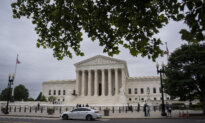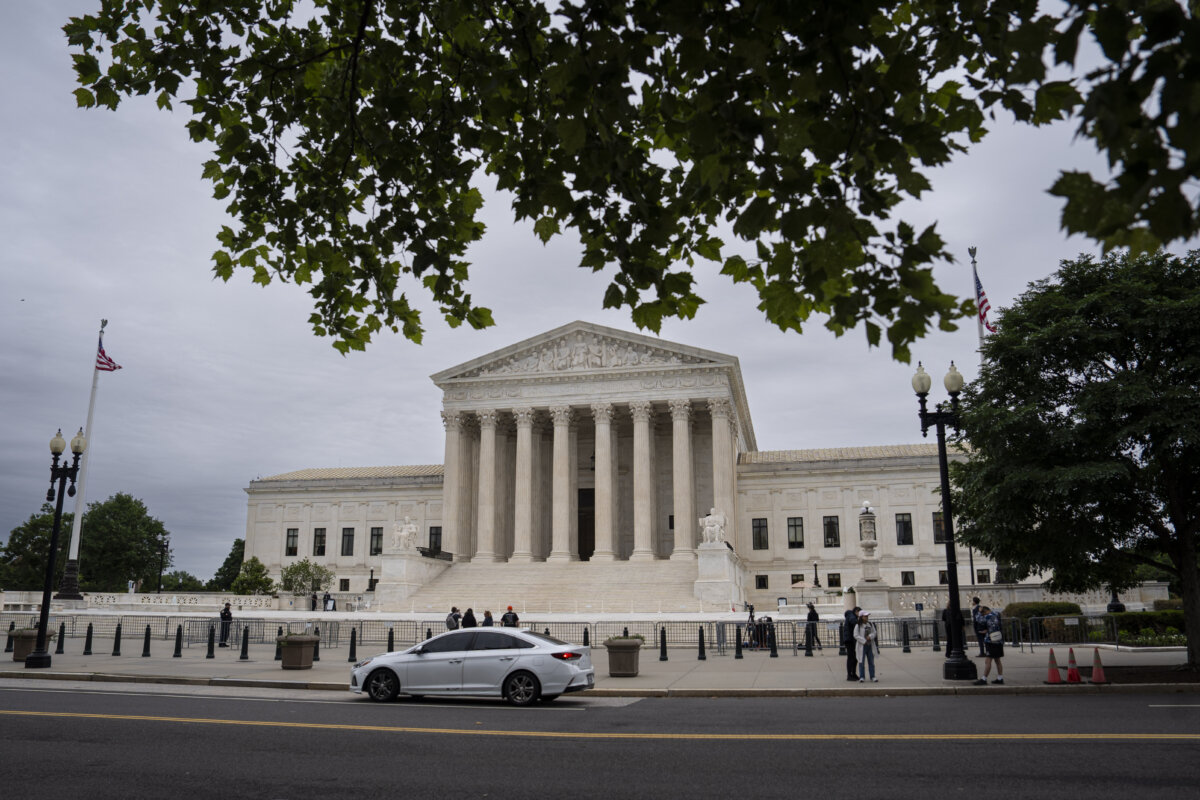

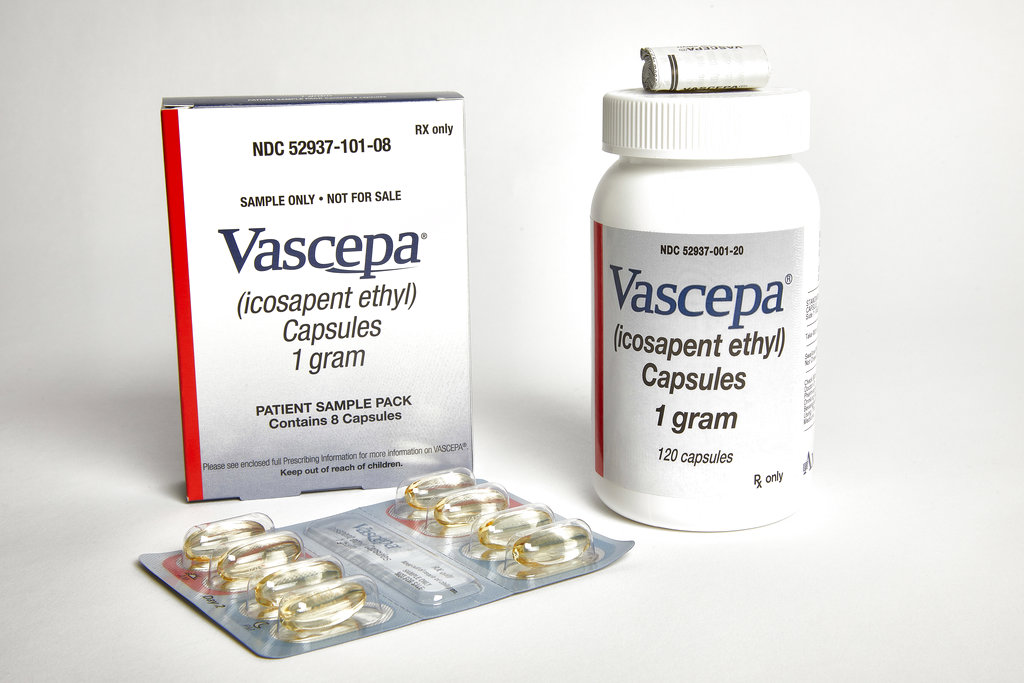
The U.S. Supreme Court on June 4 ruled that drugmaker Hikma Pharmaceuticals’ generic version of Amarin Pharma’s cardiovascular medication Vascepa did not infringe Amarin’s patents, in a case that centered on the use of “skinny labels” for generic drugs.
Pharmaceuticals can be protected by patents covering both the drug’s active ingredient and specific methods of using it. “Skinny labels,” meant to encourage generic competition, are intended to allow generic drugmakers to avoid patent lawsuits if the label of their generic omits infringing uses of the brand-name drug it replicates.
Amarin’s Vascepa was first approved by the U.S. Food and Drug Administration in 2012 to treat severe hypertriglyceridemia, a condition characterized by high levels of triglycerides (a type of fat) in the blood.
The drug later received another approval in 2019 to expand its label to include reducing the risk of cardiovascular events in patients who already take cholesterol-lowering drugs, an indication for which Amarin subsequently obtained method-of-use patents.
In 2020, the FDA approved Hikma’s generic version with a skinny label that covered only the non-patented indication, omitting Vascepa’s patented use for reducing cardiovascular risk in certain patients.
Amarin filed suit against Hikma later that year, alleging that the drugmaker “willfully introduced” its generic product in a manner that infringed Amarin’s patent rights through statements made on Hikma’s skinny label, patient information leaflet, website, and press releases.
A U.S. district court in Delaware initially dismissed the case for failure to state a claim, but a federal appeals court later reversed the decision, finding it plausible that a physician could read Hikma’s statements as an encouragement to infringe Amarin’s patents.
The Supreme Court overturned the lower court ruling in a 9–0 decision on June 4. Writing for the court, Justice Ketanji Brown Jackson said that Amarin has failed to state a claim for active inducement patent infringement against Hikma.
“The central question is whether Amarin plausibly alleged that Hikma actively encouraged infringing use, not merely whether doctors could plausibly read the alleged statements as instructions to infringe,” the justice wrote.
Jackson also said that it was “normal industry practice” for generic drugmakers to describe their products as generic equivalents of the brand-name drugs.
“Hikma’s label retained information about a clinical study, but that is because by statute Hikma’s label must be identical to Amarin’s except for the carved-out use,” the justice said.
In a statement, Hikma’s general counsel, Sam Park, praised the decision, saying it would help ensure Americans’ access to “safe, high-quality, and affordable medicines.”
“We welcome the United States Supreme Court’s decision, which allows us to continue providing millions of American patients with generic medicines that improve health and save lives,” Park said.
Following the ruling, Amarin said in a statement to multiple news outlets that it was “deeply disappointed” by the court’s decision and will be evaluating its next steps.
Reuters contributed to this report.
 Friends Read Free
Copy
Facebook
Tweet
Friends Read Free
Copy
Facebook
Tweet