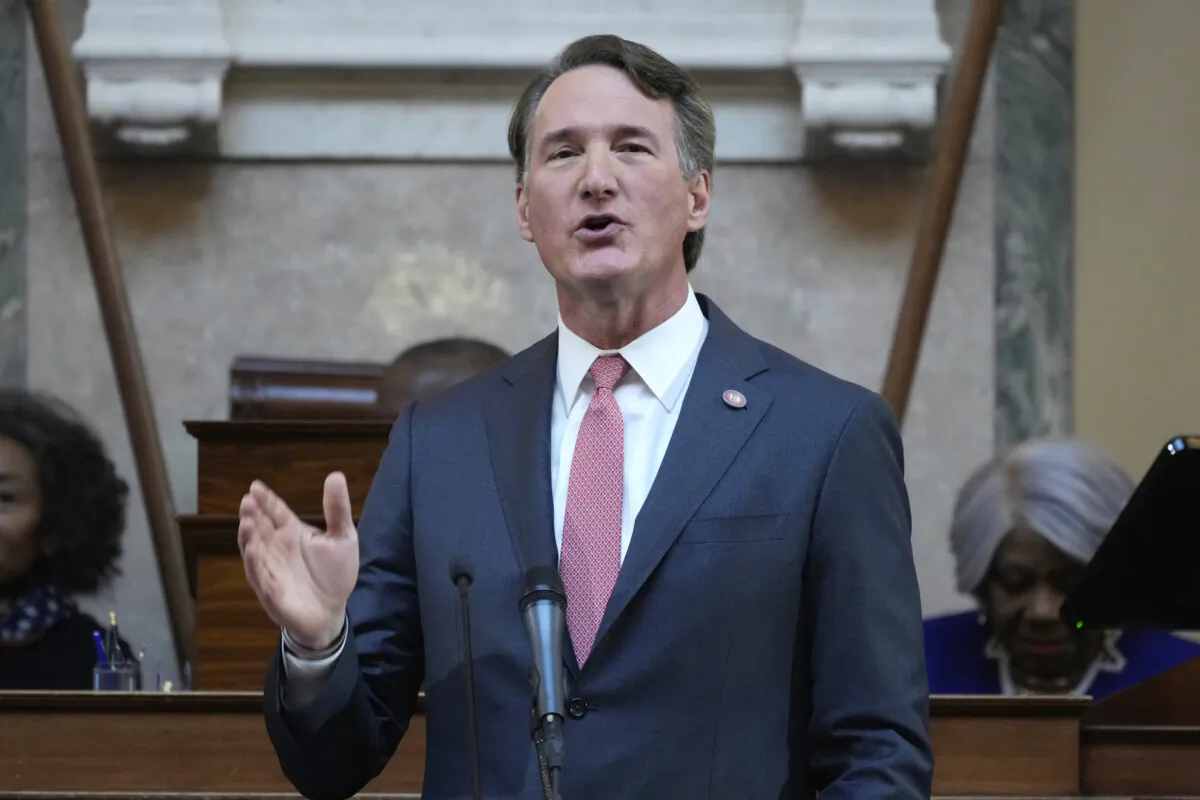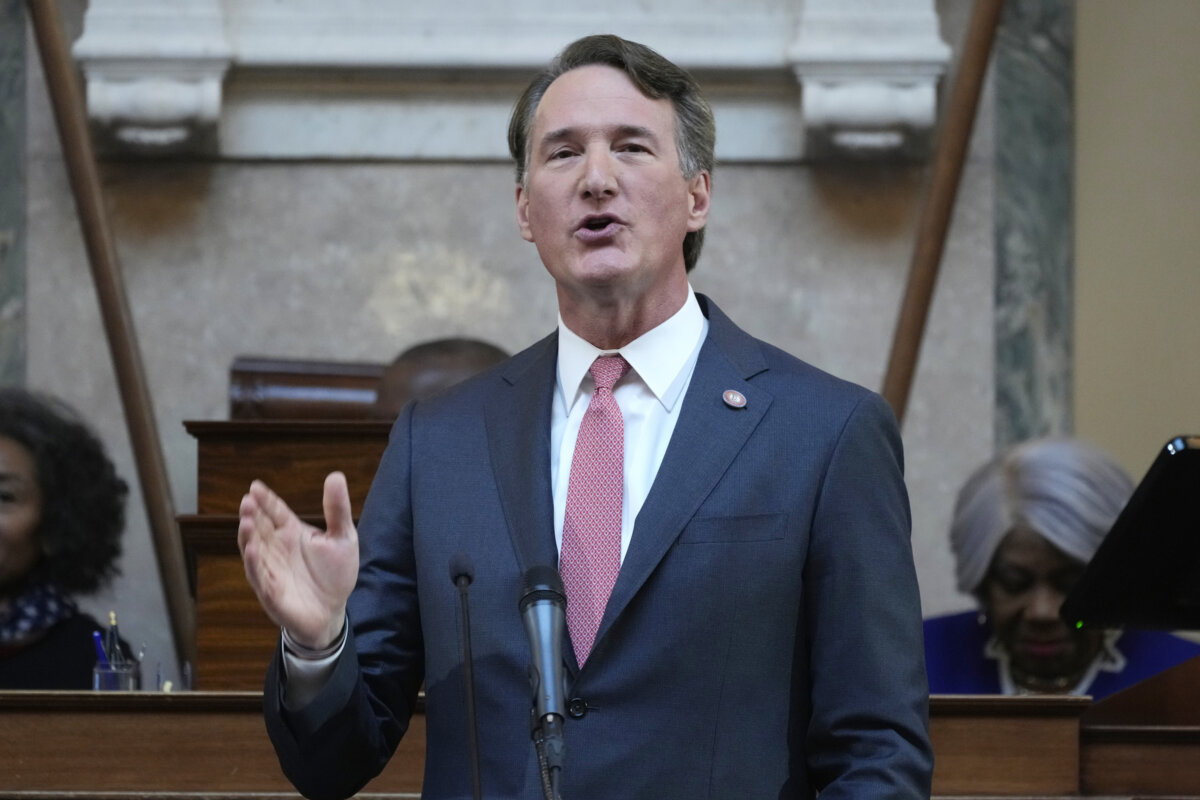

Gov. Glenn Youngkin declared a state of emergency in Virginia on Oct. 23 to provide relief for residents at risk of losing federal food benefits next month.
The ongoing government shutdown will cause low-income residents in the state to lose Supplemental Nutrition Assistance Program (SNAP) benefits starting Nov. 1 if lawmakers are unable to reach an agreement to pass a budget bill and reopen the government.
Over 850,000 residents in the state could lose benefits, according to the governor, a Republican, who blamed Democrats for the ongoing government shutdown.
“This is an extraordinary action and is only necessary because of the shamelessness of congressional Democrats,” Youngkin said in a statement.
The declaration allows Youngkin to spend state emergency funds to protect the “health, welfare, and safety of Virginians,” according to the governor.
Virginia’s poverty rate is about 10 percent, according to the latest census. The national rate is 12.4 percent.
The federal nutrition program provides monthly payments to eligible low-income households, allowing them to buy food. The average monthly payment is about $332 per household, with most living at or below the poverty level. Households with children receive an average of $574 per month, according to the U.S. Department of Agriculture.
Four out of five households that receive SNAP payments include either a child, an elderly person, or someone with a disability, the USDA reported.
Other states have also taken emergency action over the looming loss of SNAP funds.
California announced Wednesday that the state was fast-tracking up to $80 million in state funds and deploying the National Guard and state volunteers to support food banks during the shutdown. About 5.5 million Californians are expected to lose SNAP benefits in November.
“This is serious, this is urgent—and requires immediate action,” Gov. Gavin Newsom said in a statement.
Colorado Gov. Jared Polis said on Oct. 22 that he has requested that state lawmakers consider using up to $10 million of the state’s general fund to support food banks and pantries.
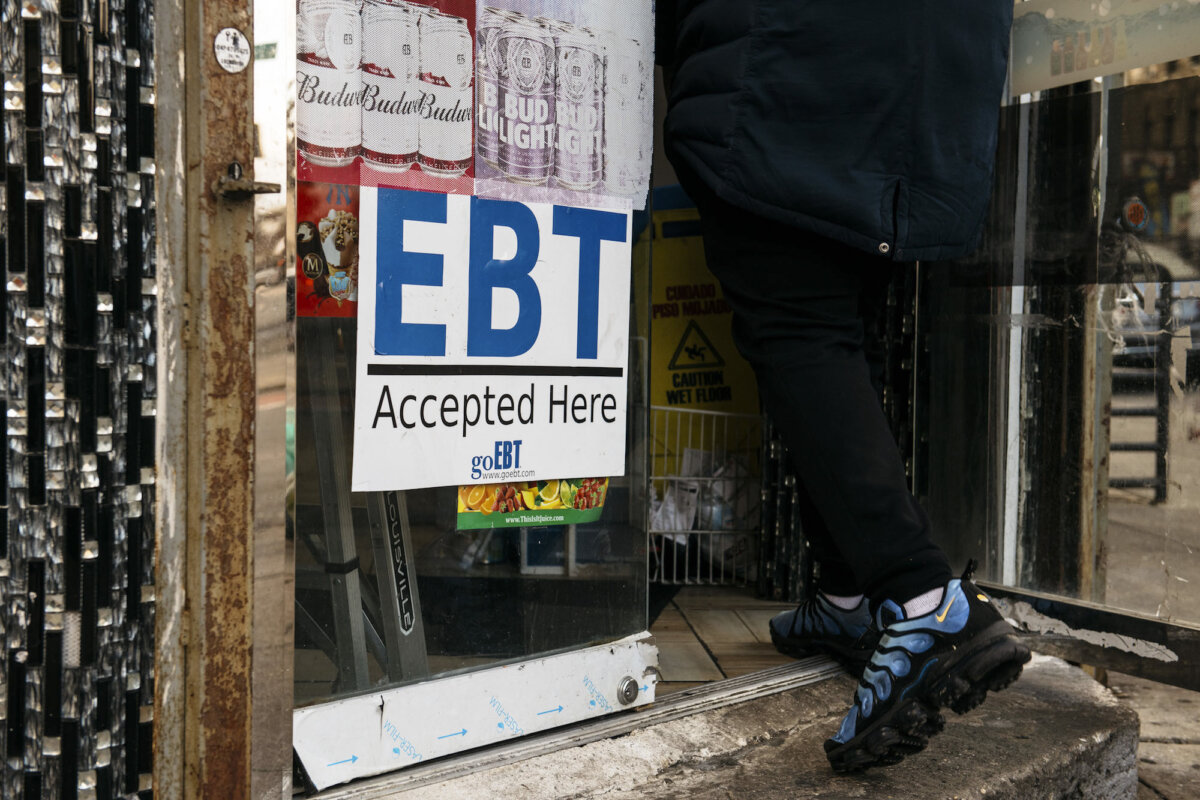
Multiple states have also warned SNAP holders they need to prepare to lose benefits next month.
In Washington on Thursday, the Senate failed to pass a bill to pay U.S. troops and active federal workers during the shutdown. The Republican-led “Shutdown Fairness Act” failed on a cloture vote of 54–45, falling short of the 60 votes needed to advance.
The SNAP program is set to change Nov. 1. Under the One Big Beautiful Bill Act passed in July, recipient work requirements will apply to adults 18 to 65, unless they are unable to work due to a physical or mental limitation. Other changes to exemptions will also apply.
 Friends Read Free
Copy
Facebook
Tweet
Friends Read Free
Copy
Facebook
Tweet