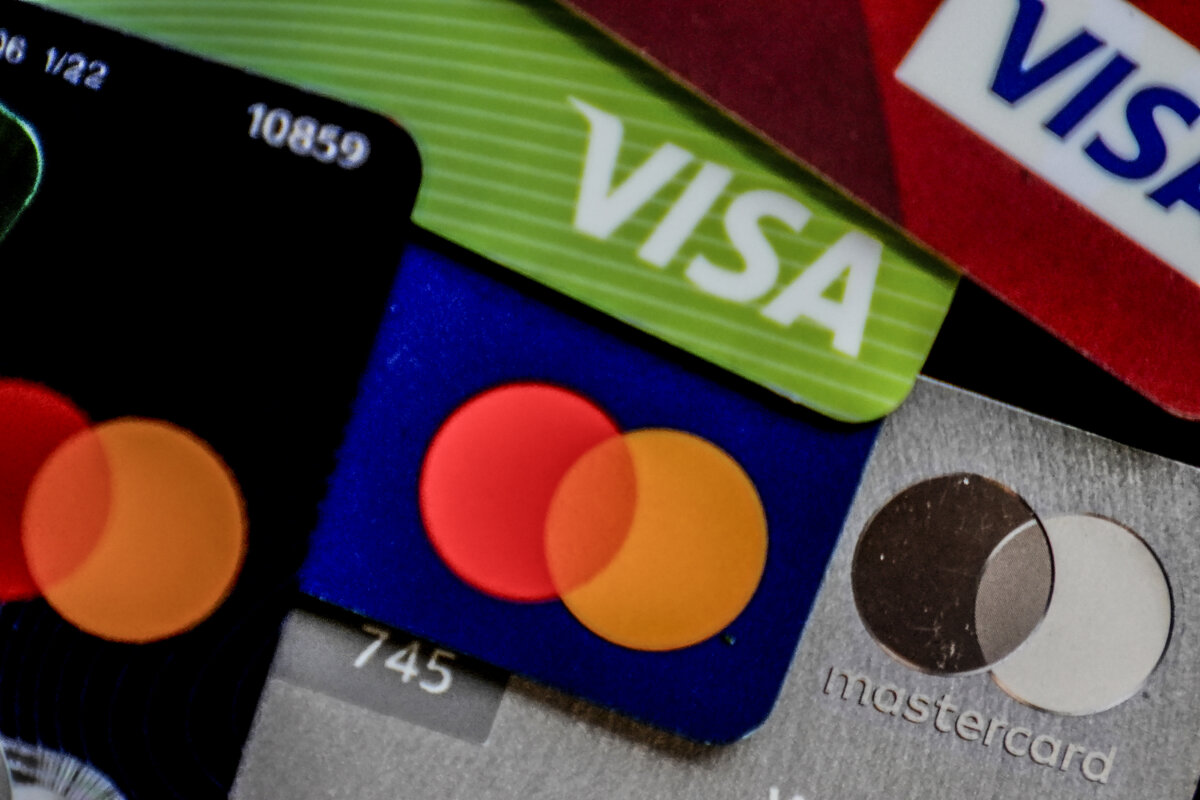

Visa and Mastercard have agreed to pay $167.5 million to settle allegations that their network rules caused consumers to pay higher fees when withdrawing cash from certain independently operated ATMs.
The proposed settlement could provide payments to people who paid an unreimbursed surcharge to withdraw cash from an independent ATM in the United States between Oct. 24, 2007, and Aug. 14, 2026, according to the court-authorized settlement website.
Independent ATMs are machines that are not owned by a bank or another financial institution. They are commonly found at businesses such as convenience stores, restaurants, and bars.
To qualify, consumers generally must have used an ATM or PIN-debit card to withdraw money from a deposit account and paid a surcharge that was not fully reimbursed by their bank.
The settlement does not cover credit card transactions, cash advances, or prepaid card transactions.
Separate statewide classes have also been established for California, Illinois, Massachusetts, and Michigan.
The long-running lawsuit, Burke v. Visa Inc., alleges that Visa and Mastercard violated federal and state antitrust laws through rules governing fees charged by independent ATM operators.
“[Independent ATM] operators were not allowed to ‘discount’ or charge cardholders a lower access fee if transactions could be processed on competing networks that cost less than the Visa or Mastercard networks,” the settlement website states.
As a result, the lawsuit alleges, consumers paid more to use independent ATMs than they otherwise would have.
Visa and Mastercard deny any wrongdoing but agreed to settle the claims. Visa will contribute about $88.8 million to the settlement fund, while Mastercard will contribute about $78.7 million.
The amount each claimant could receive has not yet been determined. Payments will depend on the number of valid claims submitted and the amount remaining after approved expenses, including attorneys’ fees, administrative costs, and any payments to class representatives.
Consumers do not need to provide supporting documents when initially filing a claim. However, the claims administrator may later request bank statements or other records to verify eligibility.
Eligible consumers must submit a valid claim by Feb. 10, 2027. Claims can be filed through the official settlement website.
Payments are expected to be distributed electronically, with options including PayPal or a virtual debit card. Claimants can also request a paper check.
No payments will be issued unless the court grants final approval to the settlement and any appeals are resolved.
Consumers who wish to object to the settlement or exclude themselves from it must do so by Dec. 11, 2026.
A final fairness hearing is scheduled for Feb. 17, 2027.
 Friends Read Free
Copy
Facebook
Tweet
Friends Read Free
Copy
Facebook
Tweet