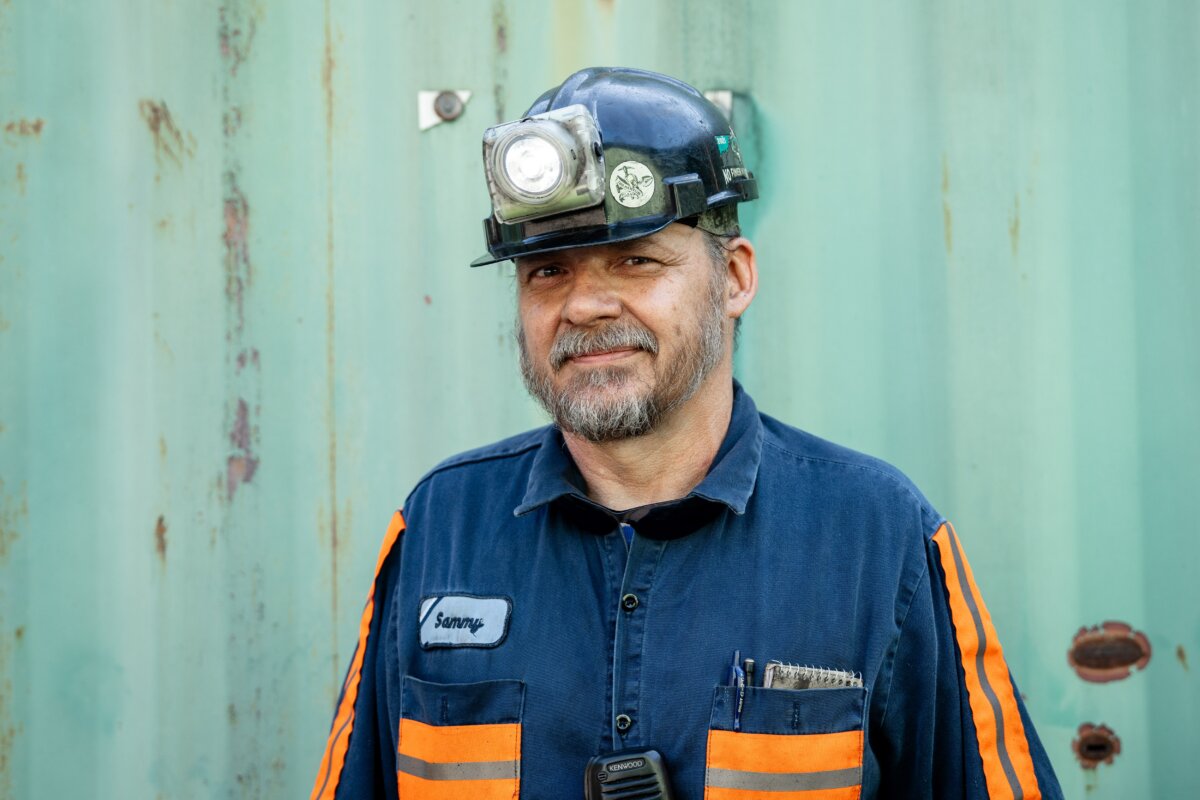
HOLDEN, W.Va.—One by one, Sammy Stafford lost three half-brothers to drug overdoses over the past eight years.
His is one of many families devastated by addiction in West Virginia, the epicenter of a nationwide fentanyl crisis.
Since 2019, synthetic opioids, mainly fentanyl, have killed more than 350,000 Americans, according to the Centers for Disease Control and Prevention. While the state has seen a drop in the rate of unintentional overdose deaths, West Virginia leads the country in deaths per capita.
At 54, Stafford has worked for 27 years in the coal mining industry, toiling 12 hours a day, six days a week for years, though now his schedule is more reasonable.
By the time he hit 52, Stafford had outlived three siblings, he told The Epoch Times.
“They all were coal miners. Had good jobs. Had good lives. Had good wives,” the third-generation coal miner said.
But that didn’t save them, he said.
His brothers had addictive personalities, leading them to smoke marijuana and start taking Xanax and painkillers, he said. Ultimately, a deadly combination of drugs laced with fentanyl took their lives, he said.
His mother quit using drugs, but they killed her anyway, he said. They damaged her heart, and she later died of congestive heart failure.
At 14, he went to live with his father, a preacher who had split from his mother.
Stafford believes the change in environment and faith saved him from going down the same path as his brothers.
His stepmother encouraged him in school, helping him with reading, writing, and math. He attended a Baptist church and learned to play the guitar.
“A lot of coal miners are religious,” he noted.
Stafford said coal mining is a stressful job, driving many to substance abuse. Working underground in mines 24 feet wide by six feet high isn’t easy, he said.
He got hooked on cigarettes for a while in his teens and 20s, but kicked the habit after getting married and starting a family.
Low-income housing and poverty are common where he lives, in the heart of coal country along the southern half of the state.
“That’s the way life is in this area,” Stafford said.
But he doesn’t believe being poor makes people use drugs.
“I don’t believe anybody forces you to get into it,” he said.
Dr. Stephen Loyd, director of West Virginia’s Office of Drug Control Policy, said he isn’t surprised when he hears about multiple family members dying from fentanyl-related overdoses. That’s because 60 percent of addiction involves inherited genetics, he said.
“This is not a shock at all,” he said. “It is absolutely going to run in families, and a lot of those families are raised in the same environment.”
Loyd, once addicted to prescription painkillers himself, is an expert on the subject. He was an inspiration for the “Dopesick” character played by Michael Keaton in the Hulu series, which was based on an award-winning nonfiction book about the role of prescription painkillers in triggering a wave of addiction in rural Appalachia decades ago.
In the TV series, Keaton plays a doctor in a mining community who becomes addicted to prescription drugs. In real life, Loyd served as an expert witness in the case that led to Tennessee’s first conviction of a “pill mill” doctor in 2005.
He testified against opioid manufacturers and distributors in trials that resulted in massive settlements nationwide.
Trauma and social opportunities that make drugs available are two other major factors in addiction, he added. Beyond that, there are instances where people get hurt and are prescribed opioids and become addicted to them.
“It’s devastating, and these families are being ripped apart from it. And a lot of times, the trauma is generational,” he said.
Many people—including Loyd before he understood addiction—view it as a moral failure.
“I was short-sighted,” he said. “I didn’t really look at it until it affected me.”
 Friends Read Free
Copy
Facebook
Tweet
Friends Read Free
Copy
Facebook
Tweet