
The World Health Organization (WHO) on Aug. 11 defended its immunization guidelines after President Donald Trump issued an order to change the childhood vaccination schedule to space out the shots.
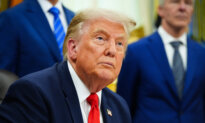
On Aug. 10, Trump signed an order to recommend administering the measles, mumps, and rubella (MMR) vaccine in three shots during separate visits. The combined MMR shot is commonly given to children, and some states mandate the vaccine for attendance at day care, schools, and summer camps.
Tarik Jasarevic, a spokesperson for the United Nations’ health body, referred to the Trump administration’s changes during a press briefing on Tuesday, saying that WHO’s vaccine recommendations are “based on years of research across the world on how the immune system develops, when a person is most susceptible for a disease and how to keep protection strong.”
“This is the advice we give to all countries, and we hope that all countries will use this best scientific evidence that we have,” Jasarevic said, adding, “we have to always stress that the science does evolve to make their immunization programs for their citizens.”
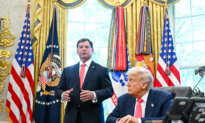
During Monday’s signing event, Trump also called for only 11 key vaccines, and argued that spreading out the shots was critical for a child’s health. Children should receive their shots in one year with five separate visits, he added. Previously, the Department of Health and Human Services had recommended 17 vaccines, which was revised down to 11 by the agency earlier this year.
Kush Desai, a Trump spokesperson, told media outlets on Aug. 10 that the president is “one of countless parents who have voiced questions and concerns about the combined MMR vaccine” and said that with the change, parents are provided “more options on timing and frequency for their children” and that this would increase vaccine uptake.
In January, the U.S. Centers for Disease Control and Prevention recommended vaccines for measles, mumps, rubella, polio, pertussis (whooping cough), tetanus, diphtheria, Haemophilus influenzae type B (Hib), pneumococcal disease, human papillomavirus (HPV), and varicella (chickenpox).
When the vaccine total was revised, several groups, including the American College of Physicians, sharply criticized the Trump administration’s decision.
“Abandoning the U.S. evidence-based process is a dangerous and potentially deadly decision for Americans,” said Jason M. Goldman, MD, the head of the American College of Physicians, in a Jan. 5 statement. “The evidence is clear that vaccines prevent deaths, hospitalizations, and spread of disease.”
In explaining the decision for Monday’s order, which comes as students across the United States will soon be returning to classrooms, Trump wrote that the administration is committed to ensuring that Americans can receive “the best scientifically supported medical advice in the world, as well as to protecting religious liberty and parental authority.”
“I am taking further action to reaffirm that it is the policy of the United States that the core childhood vaccine recommendations should be aligned with scientific evidence and best practices from peer, developed countries while preserving access to vaccines currently available to Americans,” he said.
The White House did not immediately respond to a request for comment on Aug. 11.
 Friends Read Free
Copy
Facebook
Tweet
Friends Read Free
Copy
Facebook
Tweet