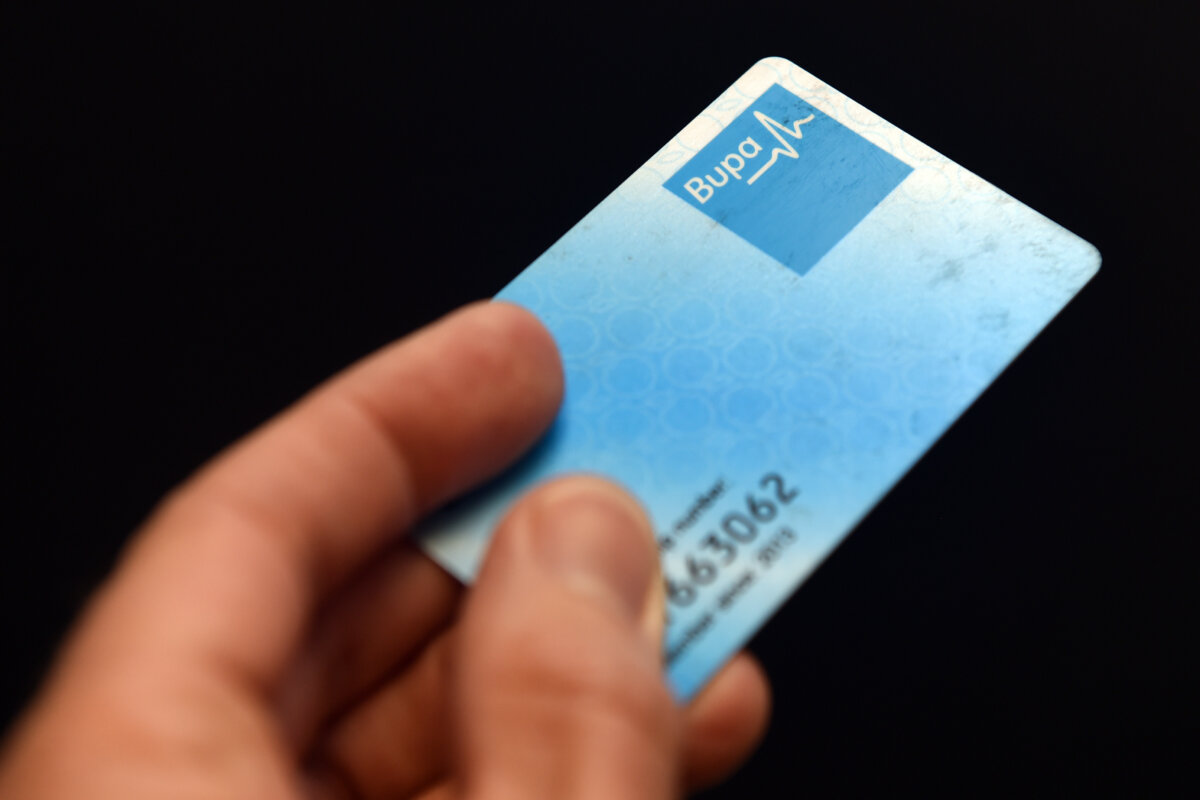

A federal budget measure that removes extra private health insurance rebates for older Australians is expected to drive 44,000 seniors out of the system, according to government modelling revealed during a budget Estimates hearing.
The change, announced in the latest federal budget, will remove age-based rebate uplifts from April 2027 and move to a system where private health insurance rebates are determined solely by income.
“We think that the figure that we modelled is 0.4 percent, which is 44,000, would come off the private health insurance, and that’s based on the year 2028-29,” Cecilia Street, a deputy secretary at the Department of Health, Disability and Ageing, told the Community Affairs Legislation Committee on June 3.
Under the current arrangements, older Australians receive rebates that are up to eight percentage points higher than those available to younger people on the same income. The government argues the new approach will make the rebate system fairer and better targeted.
Officials told committee members that the change would affect around 3.1 million Australians aged over 65 and increase annual insurance costs by an average of between $226 and $255 for many older policyholders.
Pensioner Impact Questioned
Shadow Health Minister Anne Ruston repeatedly pressed Health Department officials on how the policy would affect pensioners and other retirees living on fixed incomes.
Referring to research from National Seniors Australia, Ruston said more than half of those likely to be affected were believed to be pensioners and questioned whether the government had adequately assessed the consequences.
“Do you actually understand the impact on the most vulnerable people in our community of this move, and what was the basis for your decision that in your impact analysis that you didn’t think that older Australians were going to drop their private health insurance,” she asked.
Finance Minister Katy Gallagher defended the policy, arguing it was a budget measure designed to help fund growing demand for aged care services.
“The money that would be generated through this is being completely offset and spent in aged care and additional $3 billion investment in aged care,” she told the committee.
Gallagher noted that the government has been criticised for spending too much while also being expected to meet rising service demands.
“We’re trying to find ways to manage some of these big shifts in demand for services and find room within the budget,” she said.
The minister also rejected suggestions that older Australians would lose access to rebates altogether.
“There’s been some misreporting of this decision that has raised concerns that people no longer get a rebate,” she said.
“The change is on the additional rebate. Everyone will get the same rebate, dependent on their income. We think that is a fair approach.”
Types of Private Health Cover Held by Older Australians
The hearing also examined the types of private health insurance products held by older Australians.
Health, Disability and Ageing Assistant Secretary Nicholas Johnson said among Australians aged over 65, 42.2 percent hold gold-level cover and 41.2 percent hold silver cover, while only small proportions hold bronze or basic policies. A further 12.2 percent have general treatment-only cover.
Ruston argued the rebate change could encourage older Australians to downgrade their policies from gold to lower levels of cover.
The shadow minister also said the measure failed to assess the price responsiveness of older Australians to the policy, many of whom are on fixed incomes.
“The government’s assumption is that older Australians will maintain the cover based on the fact that they’re too frightened, what happens to them if they don’t have it?” she asked.
In response, officials acknowledged that older Australians are more likely than younger people to hold higher-value insurance products, but maintained that most would retain their cover despite the reduction in rebates.
They also said older policyholders receive significant value from private health insurance because Australia’s community-rating system means benefits generally increase with age, making them less likely to leave the system in response to an eight-percentage-point reduction in rebates.
 Friends Read Free
Copy
Facebook
Tweet
Friends Read Free
Copy
Facebook
Tweet