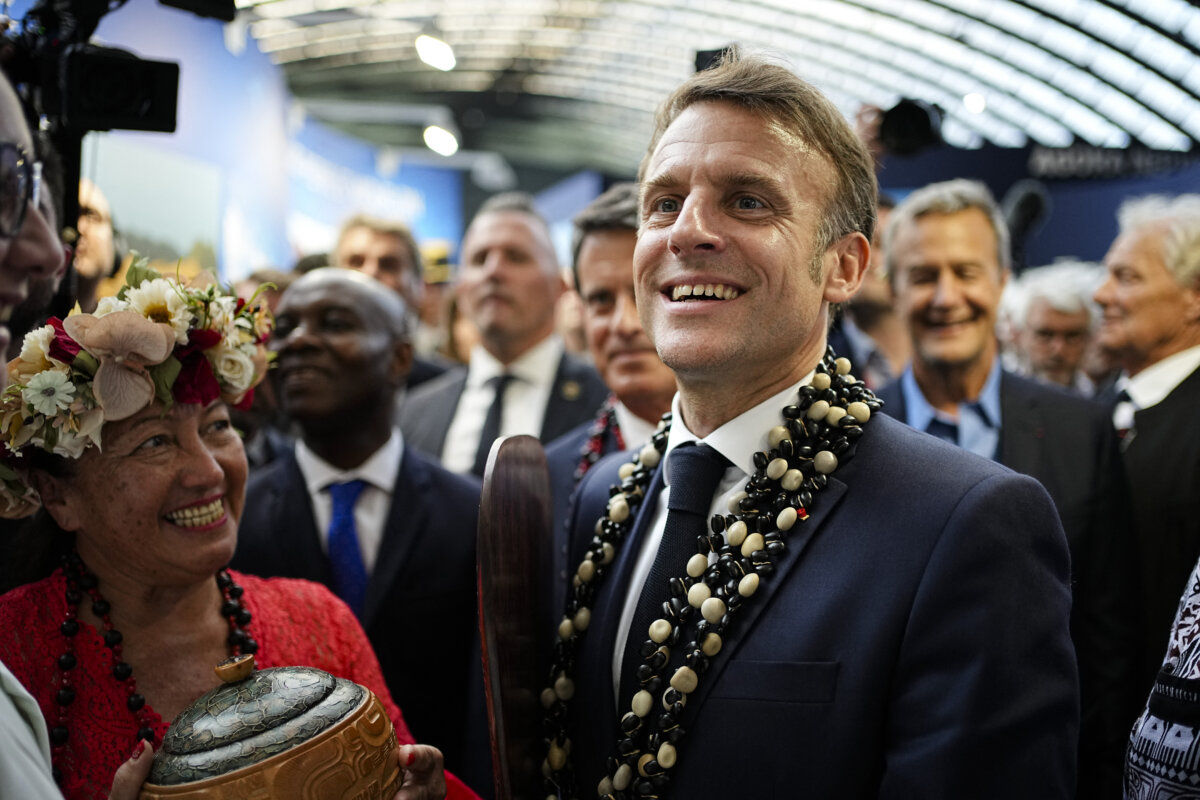

World leaders gathered in Nice, France, this week for the 2025 U.N. Ocean Conference, aiming to advance and accelerate efforts to preserve marine environments.
Host and French President Emmanuel Macron told countries gathered on the French Riviera that binding international agreements could help restore peace to the world’s seas.
Here are seven key takeaways from the conference.
High Seas Treaty Inches Closer to Reality
The event, the third of its kind, took place from June 9 to June 13 and is at the forefront of the United Nations’ effort to transform many coastlines and seas into large protected zones.
On June 9, Macron said the long-delayed High Seas Treaty, also known as the Biodiversity Beyond National Jurisdiction Agreement, has received support from 50 nations.
Once the 60 countries required to ratify the treaty have committed, it will enter into force 120 days later, likely in early 2026, Macron said.
First discussed in 2015 and signed by dozens of countries in 2023, the treaty provides a legal framework for establishing marine protected areas (MPAs) where human activities are restricted to protect biodiversity in international waters.
The United States and China have not yet ratified the agreement.
The British government said on June 9 that it will introduce legislation on the High Seas Treaty by the end of the year.
The European Union ratified the treaty ahead of the conference in May, along with six of its member states: Cyprus, Finland, Hungary, Latvia, Portugal, and Slovenia. France and Spain ratified the treaty earlier in 2025.
New Marine Protected Areas Announced
The conference also served as a platform for countries to expand MPAs.
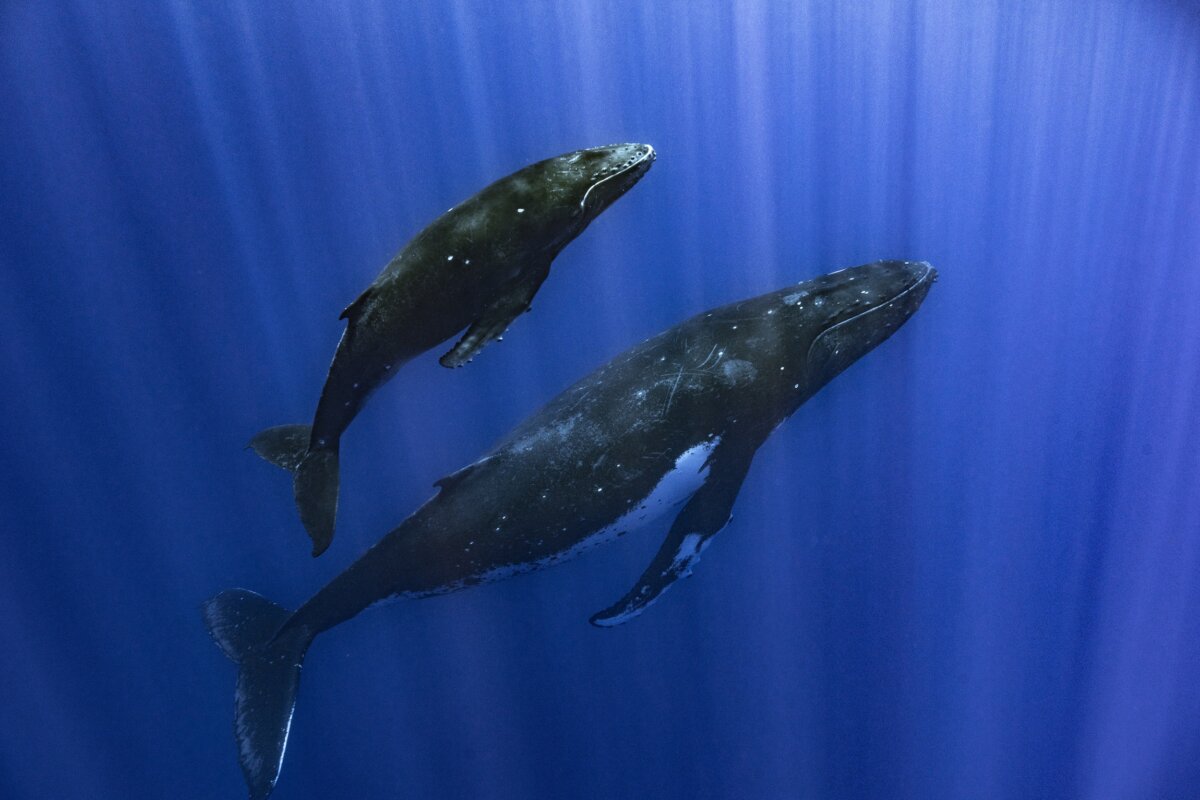
French Polynesia announced the world’s largest marine protected area, an area about twice the size of continental France, where all activity is prohibited.
Portugal also said it would raise the protected share of its seas to at least 27 percent, up from 19 percent, with the creation of three new MPAs, including the remote Gorringe Ridge.
Announcing the MPAs, Portugal Environment Minister Maria da Graca Carvalho said: “In terms of marine protection, we are the most advanced country in the world with our characteristics combining continental and insular territory. Certainly the leader in Europe.”
According to a U.N. guide on “Enabling Effective And Equitable Marine Protected Areas,” steering human behavior through “combinations of state, market and civil society approaches” is needed to “achieve strategic objectives.”
Sustainable Development Goals
The 2025 U.N. Ocean Conference emphasized the implementation of Sustainable Development Goals (SDGs), specifically SDG 14, which will “conserve and sustainably use the oceans, seas and marine resources for sustainable development.”
The 2030 Agenda for Sustainable Development, adopted by all U.N. member states in 2015, provides a “shared blueprint for peace and prosperity for people and the planet, now and into the future.”
The 17 SDGs focus on goals such as ending hunger and gender equality to enable people to “achieve their full human potential,” the agenda states.
The U.N. claims that between $3 trillion and $4.5 trillion must be mobilized to meet all SDG goals by 2030.
The U.N. also said that the conference was key to advancing progress on the Kunming-Montreal Global Biodiversity Framework, which has a target of protecting 30 percent of the ocean by 2030.
The framework states that the “rights of nature and rights of Mother Earth” are an integral part of the plan’s “successful implementation.”
EU Chief Warns the ‘Ocean Will Turn Against Us’
During the conference, leaders led with speeches warning of grave consequences if no action is taken.
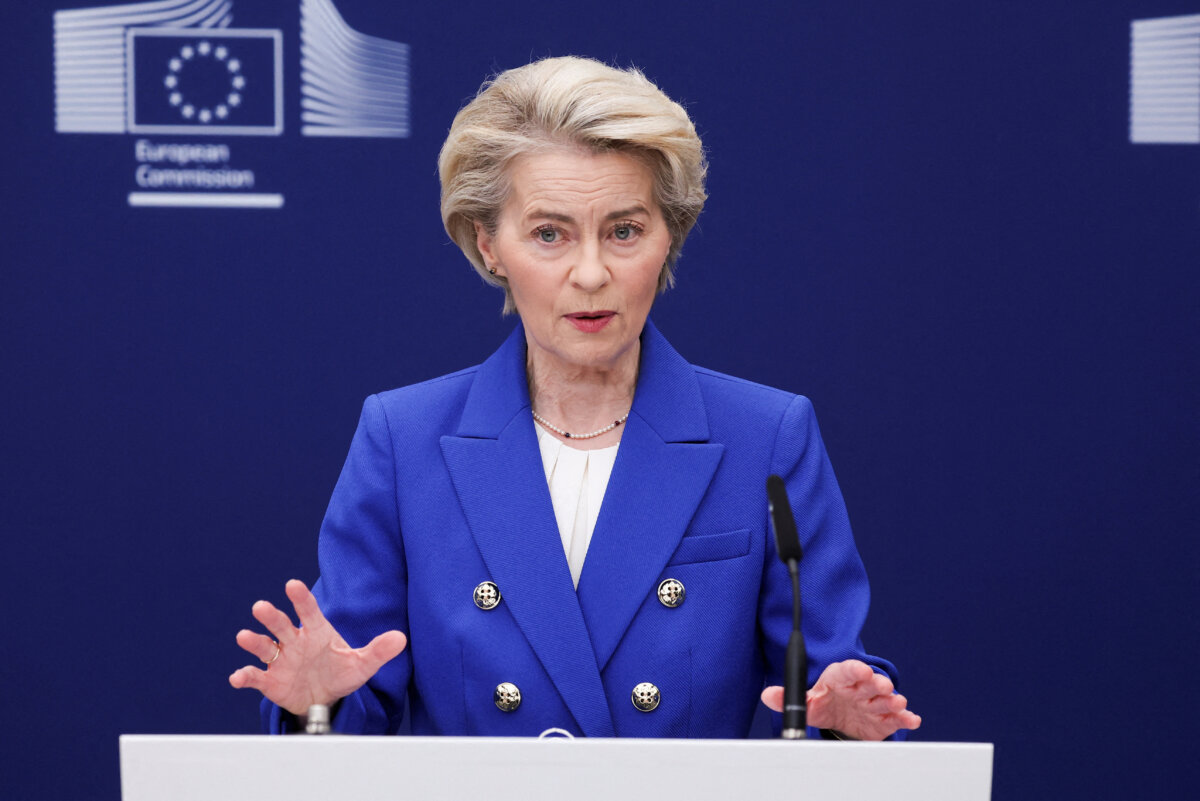
EU Commission President Ursula von der Leyen said: “The ocean is our ally, and it is our greatest friend when it comes to preserving the health of our planet and of Mother Nature that we live in. If we neglect the ocean, if we treat it without respect, it will turn against us. And the vast ocean forces that helped our civilization to grow will start to threaten us.”
U.N. Secretary-General António Guterres warned that the climate was affecting the ocean.
“The fight against climate change must extend to the seas,” he said. “For decades, the ocean has been absorbing carbon emissions and taking the heat of a warming planet. That comes at great cost.”
Delivering the keynote address, Macron said, “The fight for the ocean is at the heart of the years-long battles we’ve been waging, for biodiversity, for climate, for our environment and for our health.”
Deep-Sea Mining, China
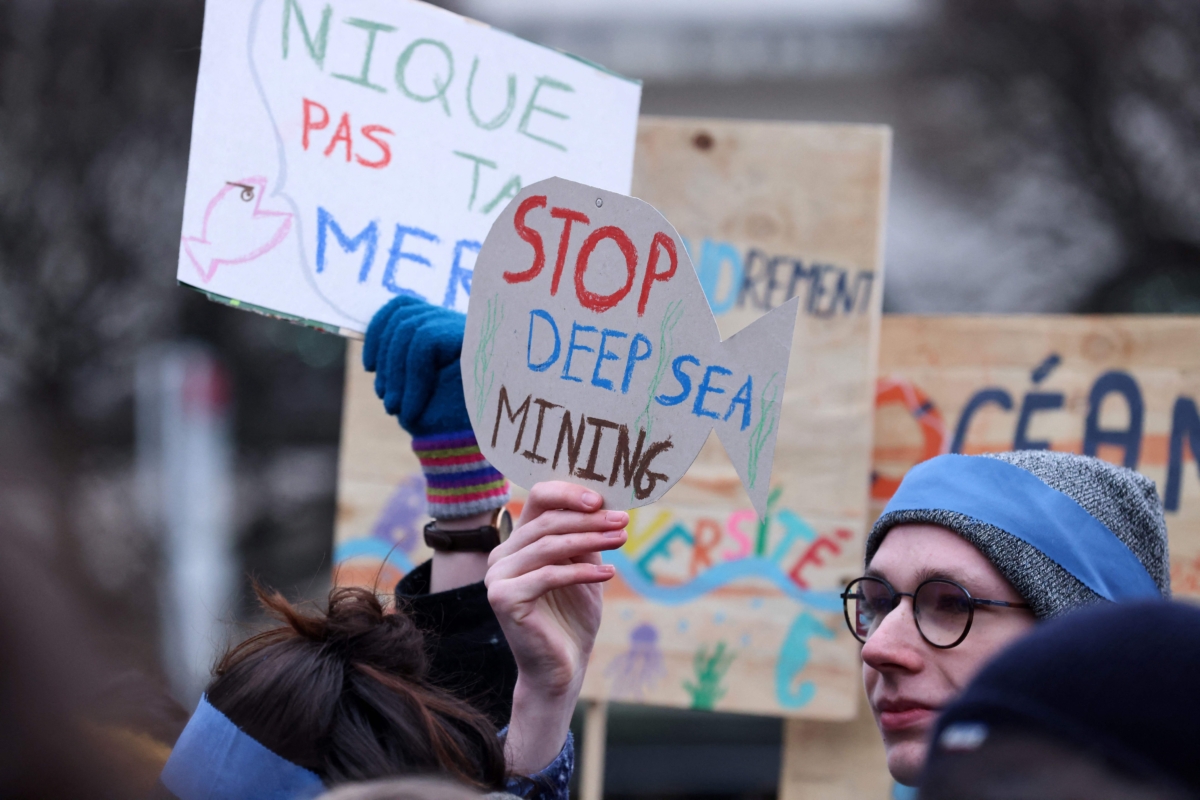
Macron also called for an international moratorium on deep-sea mining.
Rare earth mineral mining occurs mostly on land, but attention is now turning to the ocean floor.
U.S. President Donald Trump signed an executive order in April aimed at boosting the deep-sea mining industry in a race against the Chinese communist regime.
“It is the policy of the United States to advance United States leadership in seabed mineral development by strengthening partnerships with allies and industry to counter China’s growing influence over seabed mineral resources,” Trump stated.
During the conference, there was little public discussion of China’s global fishing flotilla and its industrial-scale efforts to harvest fish, squid, shrimp, and other shellfish from the world’s oceans.
“We must practice true multilateralism and safeguard the UN-centred international system,” China’s deputy leader, Han Zheng, said in a statement at the conference.
Zheng said that over the next three years, Beijing will carry out more than 100 projects to “help developing countries, especially small island developing states” implement SDGs.
EU Announces Ocean Pact
The European Commission used the conference to present the European Ocean Pact, a policy that consolidates all EU ocean initiatives.
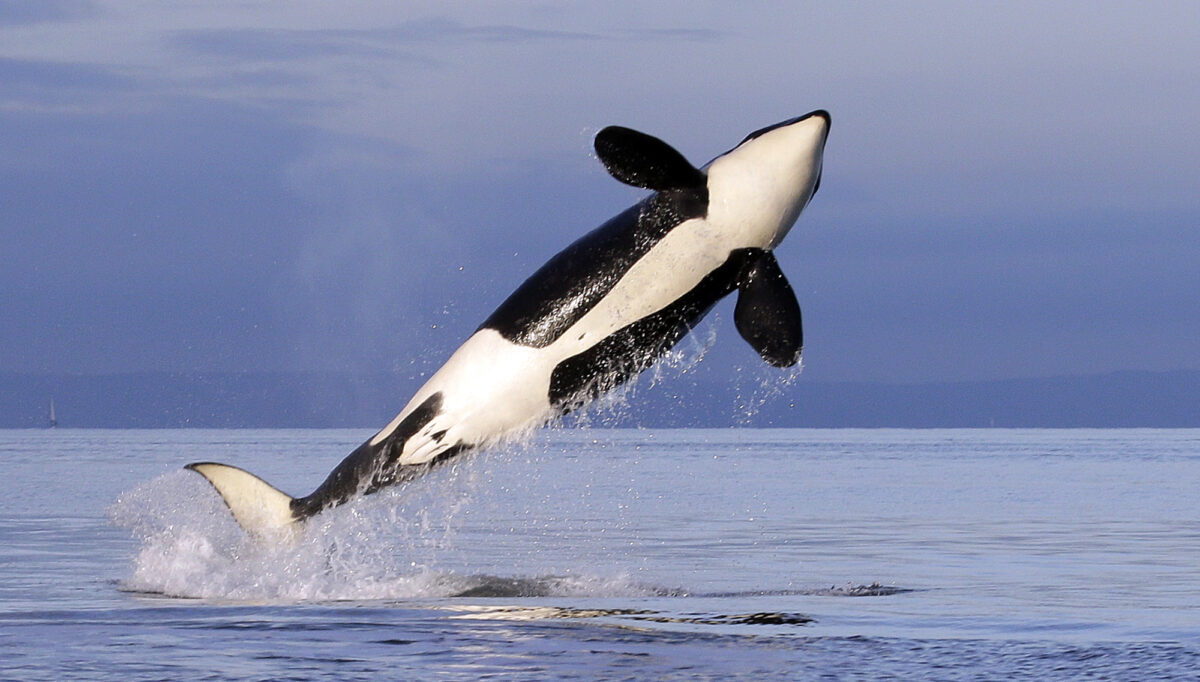
The pact aims to restore marine habitats, enhance the competitiveness of the maritime industry, and support a sustainable “blue economy,” according to the commission.
The pact will streamline the pact’s goals to ensure that “existing targets linked to the ocean are identifiable under one roof” and implemented coherently, EU Oceans Commissioner Costas Kadis said in a June 5 statement.
Not Good Enough, Say Environmentalists
Six major environmental NGOs, BirdLife Europe, ClientEarth, Oceana, Seas At Risk, Surfrider Foundation Europe, and the WWF, criticized the EU’s Ocean Pact for lacking teeth.
In a joint statement, the NGOs said, “While the Pact acknowledges the importance of ocean protection, it lacks concrete measures to tackle the most harmful activities in European waters, including overfishing, pollution, and destructive activities, in our protected areas.”
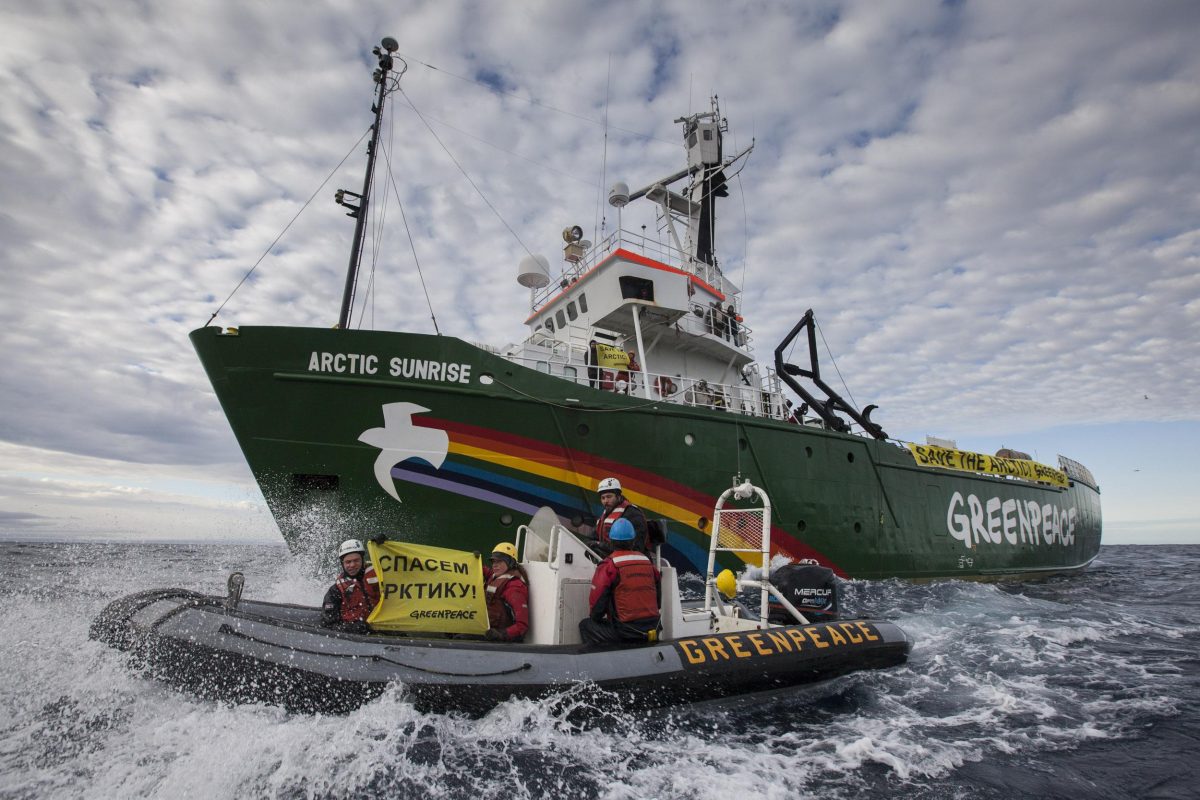
Greenpeace said that the overall progress made at the conference felt hollow.
Megan Randles, the organization’s global political lead for oceans, said: “We’ve heard lots of fine words here in Nice, but these need to turn into tangible action. Countries must be brave, stand up for global cooperation and make history by stopping deep sea mining this year.”
Reuters and Darren Taylor contributed to this report.
 Friends Read Free
Copy
Facebook
Tweet
Friends Read Free
Copy
Facebook
Tweet