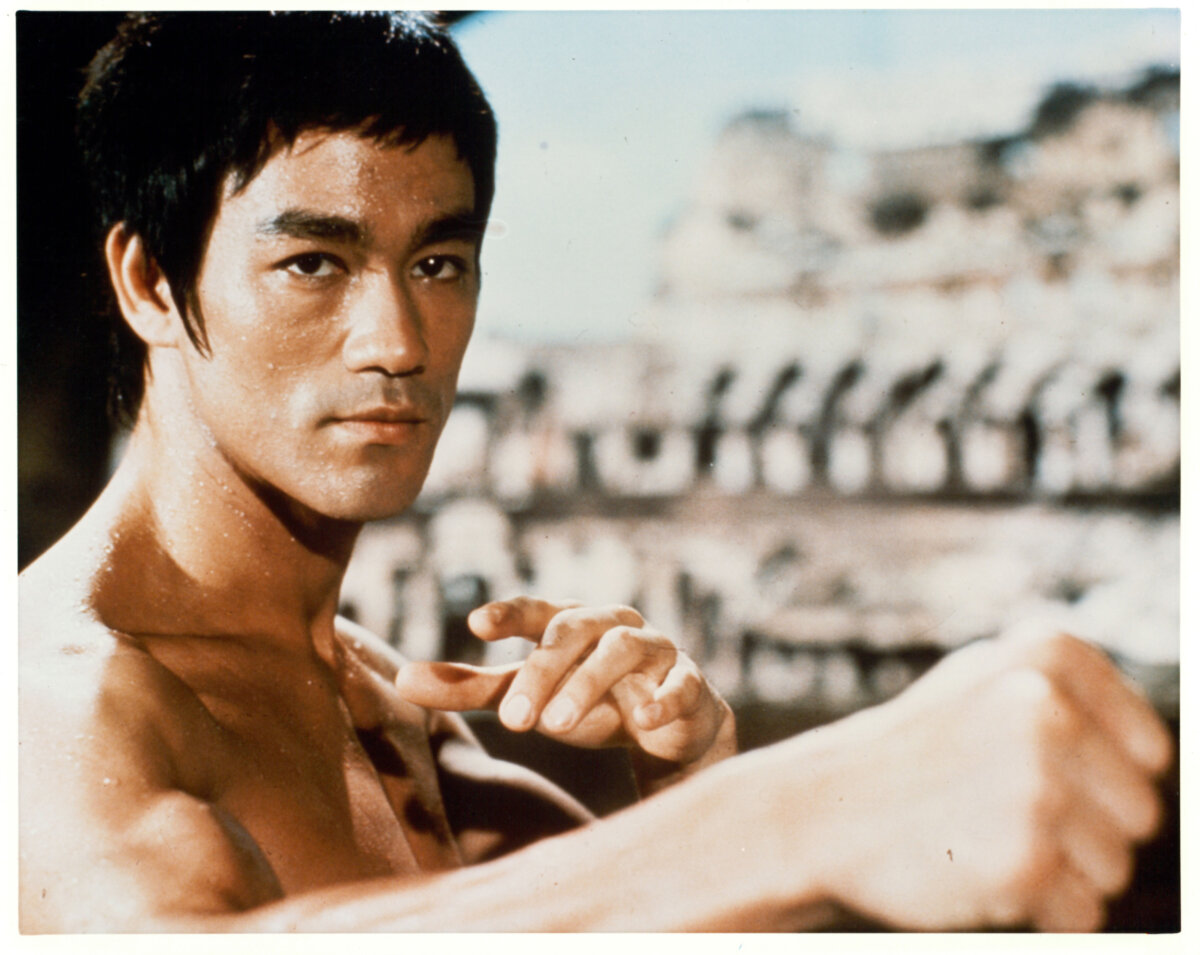
In the humid, sweat-slicked kwoons of 1960s Hong Kong, Bruce Lee forged Jeet Kune Do, his own stripped-back martial philosophy. It was agile, explosive, and utterly radical. No stiff traditions. No ceremonial fluff. Just movement like water, precision like poetry. It pulsed with freedom.
And Bruce wanted to share it.
Not just with the Chinese, who had spent centuries shaping martial arts into a fusion of combat and character—but with the West, bold, brash, and, as it turned out, more interested in punching people than pondering Lao Tzu.
Martial Arts Are a Sacred Code
The traditional masters were aghast.
“Keep it here,” they warned. “The West will gut its spirit.”
Because to them, martial arts was a sacred code. It wasn’t mere kicks and punches. It was a quiet path to transcendence. A way of shaping a person’s soul as much as their body.
They feared, rightly, that if exported too freely, martial arts would become a hollow husk that was flashy, lucrative, and completely devoid of the cultivation that made it meaningful.
Lee, in all his luminous rebellion, thought otherwise. He saw a universal truth, something that transcended borders and languages. But where he saw opportunity, the old masters saw theft.
And unfortunately for everyone, they weren’t wrong.
At its core, martial arts in ancient Asia was a kind of spiritual metallurgy. Taoist balance, Buddhist stillness, Confucian duty—all teachings to temper the ego and sharpen the mind.
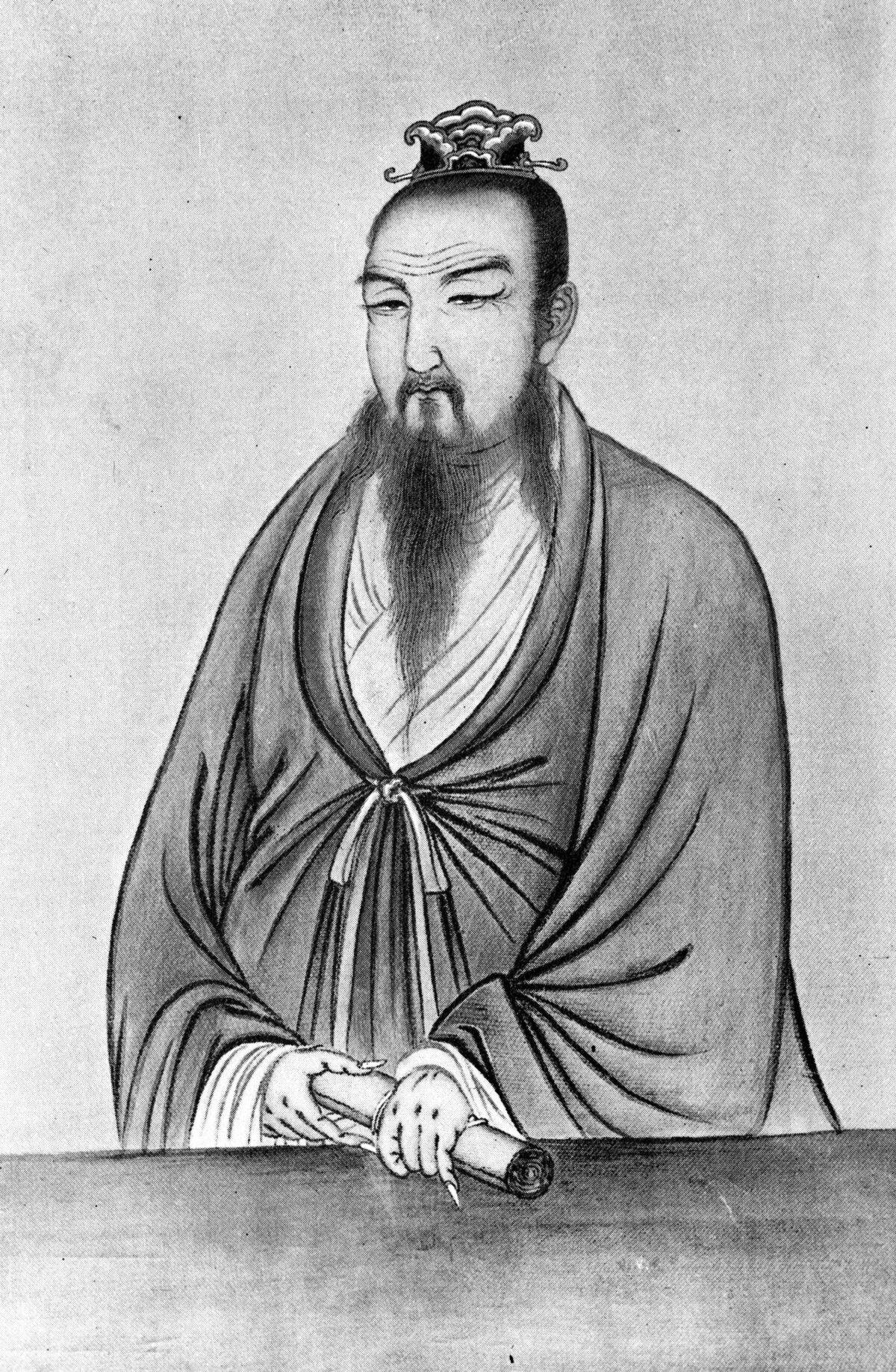
Fighting was never the point. Transcendence was. The real black belt was in your moral fibre and not in the training halls.
Bruce knew this. His Jeet Kune Do was a philosophy of self-mastery. He was a one-man rebuttal to the idea that power had to be loud.
But he was also stepping onto a stage where louder meant better. Where the crowd wanted carnage over cultivation.
And if you need a historical footnote to explain what martial arts used to mean, consider the curious case of Han Xin.
The Lesson From General Han Xin
A brilliant general from the Han Dynasty, Han Xin was once just a lanky young man with a sword and a plan. In a crowded market, a local thug stopped him and issued a classic alpha-male challenge, “Kill me,” he sneered, “Or crawl under my legs.”
Now, most aspiring warlords might have gone for the kill. But Han Xin didn’t. He dropped to his knees, crawled between the man’s legs, endured the laughter, and walked away, unbloodied, ego bruised but intact. Years later, he led armies.
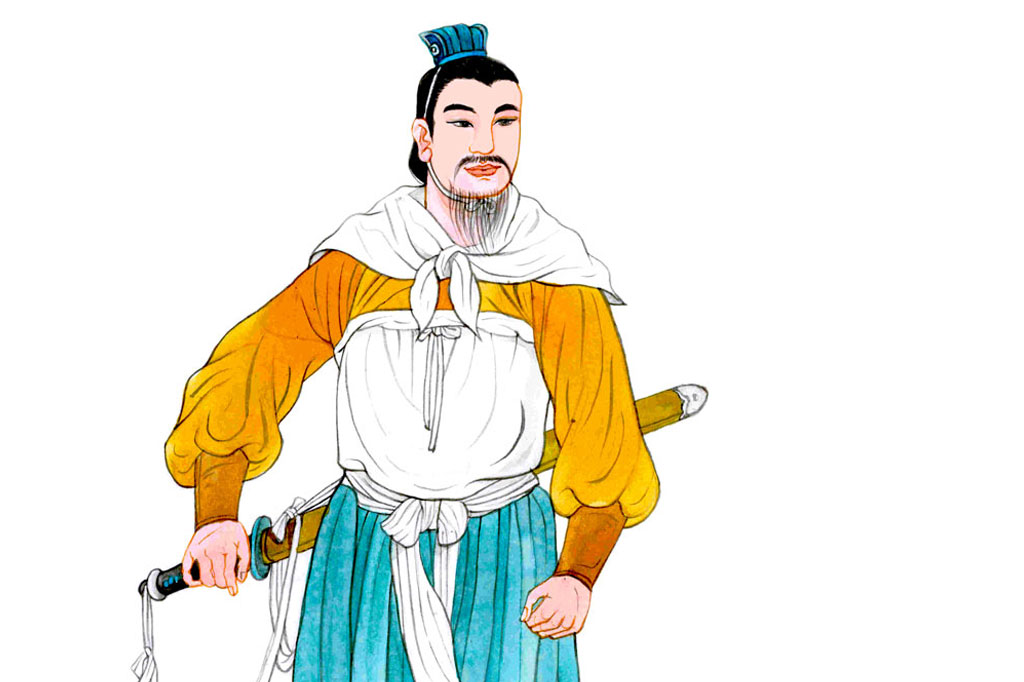
History remembers the crawl as a moment of supreme character. Proof that true strength lies not in striking, but in not needing to.
Which is not a concept likely to trend on UFC TikTok.
Bruce Lee in Hollywood
Fast forward to Bruce Lee’s arrival in Hollywood, and things begin to unravel.
His films, “Fist of Fury” and “Enter the Dragon,” electrified audiences. They were dynamic, dazzling, and left a trail of newly opened kwoons in their wake. Martial arts had officially gone global.
But the version that spread was a cinematic remix, bone-crunching kicks, slow-motion jump cuts, and more yelling than Zen.
The soul? Lost somewhere in a backlot.
Martial arts in the West became about belts, bragging rights, and box office.
Mixed Martial Arts (MMA), the modern lovechild of every fighting tradition, turned sacred practice into blood sport. Philosophical restraint gave way to cage matches with pay-per-view billing. The kwoon became a business. A place where you could train hard, sweat buckets, and emerge spiritually unchanged.
Han Xin’s crawl, if told at all, would be interpreted as weakness. A failure to dominate. A “beta move.” In other words, the precise opposite of what martial arts was supposed to teach.
And the sharpest cut? Bruce Lee himself.
He wanted to teach the whole thing, mind, body, and soul. But the West wanted a star, not a sage. His lightning-fast fists sold tickets, not truths.
The deeper message, the one about character and cultivation, was quietly lost in translation. Somewhere between the clanging nunchakus and neon dragon posters, his philosophy was reduced to a fight scene.
The traditionalists hadn’t just been cautious. They’d been prophetic.
So where does that leave us?
Can the West Redeem the Essence of Martial Arts?
Can martial arts ever be more than a weapon again? Not a show of dominance, but a quiet, lifelong discipline for becoming less of a jerk?
The answer, like any good kung fu film, isn’t tidy. But there are glimmers of hope.
Some teachers still speak of virtue and breath control. Some students still meditate before sparring. The kwoon, in a few corners, remains a forge for the soul rather than a flex for the ego.
Han Xin’s lesson still sings across the centuries; true warriors master themselves. And Bruce Lee’s dream, though bruised and exploited, still shimmers faintly asking us to look past the punches and find the purpose.
Because if martial arts are to mean anything again, it must become more than spectacle.
It must become a “way.”