When Taylor Swift named a new song after Ophelia, fans worldwide began poring over Shakespeare’s Hamlet—a reminder that while society grows angrier and more divided, the Bard’s words can still cut through and connect people.
It is this enduring resonance—even after more than 400 years—explored at the 2025 Shakespeare Symposium at Sydney’s Campion College on Sept. 6 and 7.
Swift and Ophelia
The artwork for Swift’s latest album, The Life of a Showgirl, seems to lack context—the singer appears underwater except for her face.
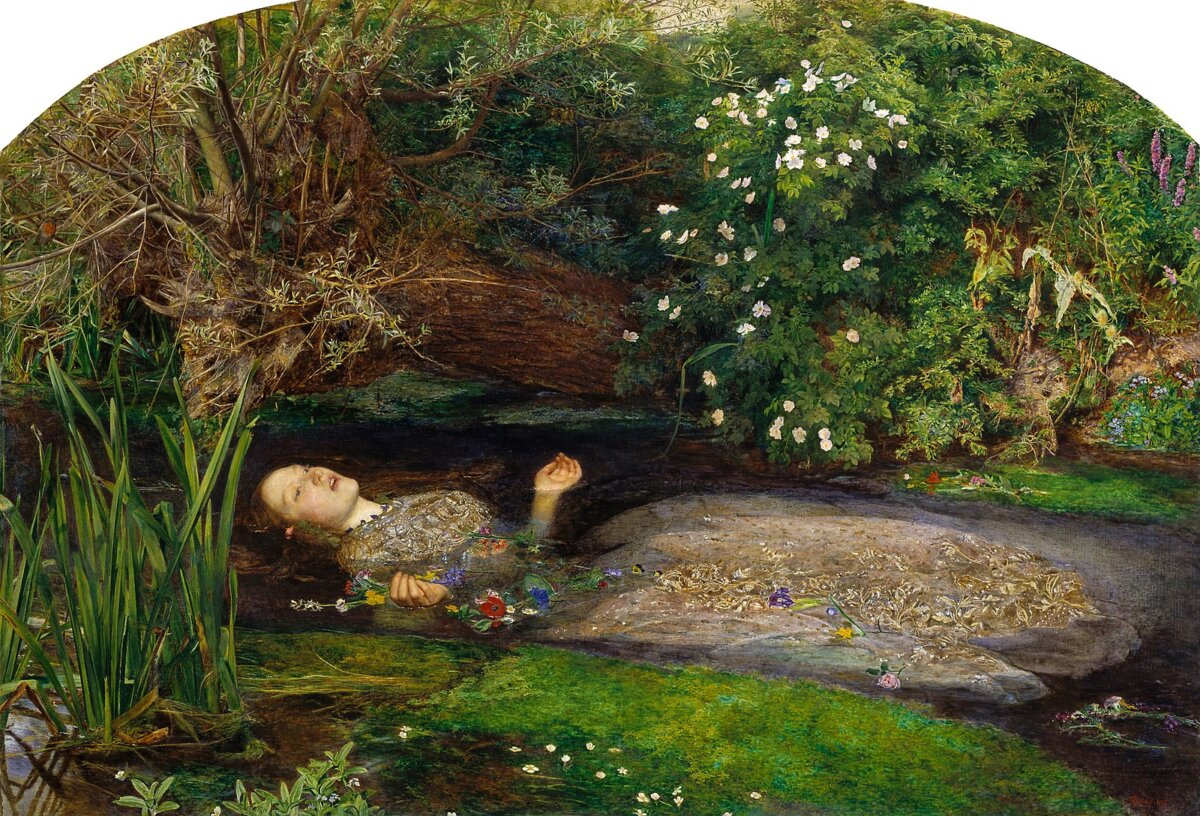
The reference could be lost until the album is flipped over and the very first track is revealed—The Fall of Ophelia—just one of many Shakespearean references the musician has made in her 20-year career.
In Hamlet, Ophelia’s fate is tragic. In the end, she sings while floating, until the water pulls her to her death.
Suddenly, online forums lit up with fans discussing Shakespeare, with some even committing to reading the ever-famous tragedy, Hamlet, for the first time.
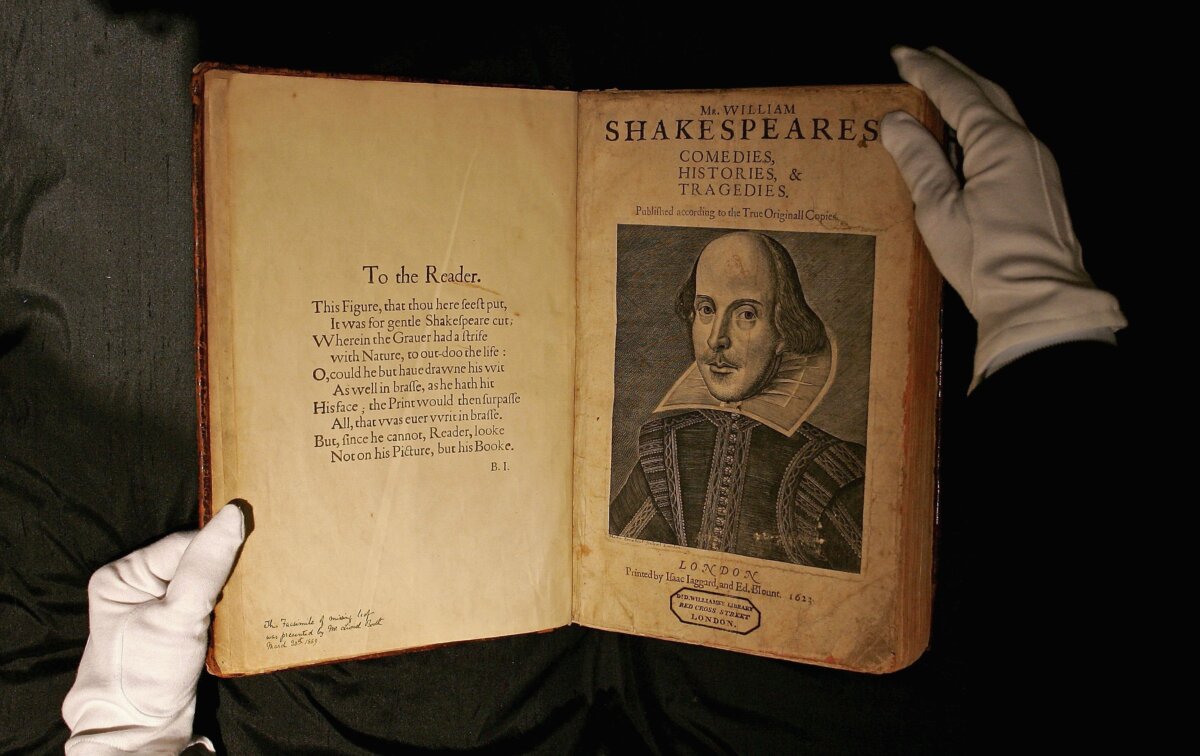
In totality, the nods to Shakespeare throughout Western culture are too numerous to list.
“He doesn’t lay down arguments and defend conclusions,” says Jeremy Bell, director of the Centre for the Study of Western Tradition at Campion.
“His plays are about human life and its totality about politics, religion, love, happiness, unhappiness, everything that matters to people—and they do in their own way, present serious reflection on what it’s all about, what the meaning of life is, what the nature of the universe is,” he told The Epoch Times.
Another area where Shakespeare could be useful for today’s youths is Romeo and Juliet’s study of love—an area Bell will be presenting and also mentioned in one of Swift’s earliest tunes, Love Story.
“It’s a play about love, love at first sight, the power of that passion, and the dangers of it,” Bell said.
“You have it all. You have the actual experience of infatuation, in the sense of, ‘This is the greatest thing ever.’
“How you can square this exciting, anarchic passion of youth with a settled life with someone for years and years and have children, while exploring what that all means.”

Shakespeare Could Heal Our Divisions
But for those less into pop culture, Shakespeare can offer a solution to one of the biggest challenges facing democratic societies today, Marxist-inspired ideas that aim to splinter society and create “us and them” relationships between different groups.
Examples of these manufactured divisions are prevalent across education material, media reporting, and public discourse, whether that’s left versus right, Labor versus Liberal, Israel versus Palestine, bosses versus workers, landlords versus tenants, and even Boomers versus Millennials.
Bell says there’s something the Bard’s bespoke brand of wisdom can actually help with.
“Shakespeare seems to have had, one might say, a unique ability to enter into amazingly different ways of looking at things and presenting them in his characters without himself stepping into them,” he said.
“And yes, by reading Shakespeare, by really getting into him, you can not only come to appreciate that in his plays, but you can come to see what it would be like to be able to enter sympathetically into a point of view that you nonetheless don’t agree with—and also help you work out your own thinking more clearly.”
“Examining the different possibilities more dispassionately can, frankly, make you more charitable towards other people.”
Not Being Trapped by the Words We Use
And this all boils down, as well, to learning to “think.”
“We talk about things nowadays in the West like human rights, rule of law, democracy and rule of the people,” Bell said.
“Now we learn those phrases and we repeat them and we say how important they are, before any of us actually give any serious thought to what they even mean.”
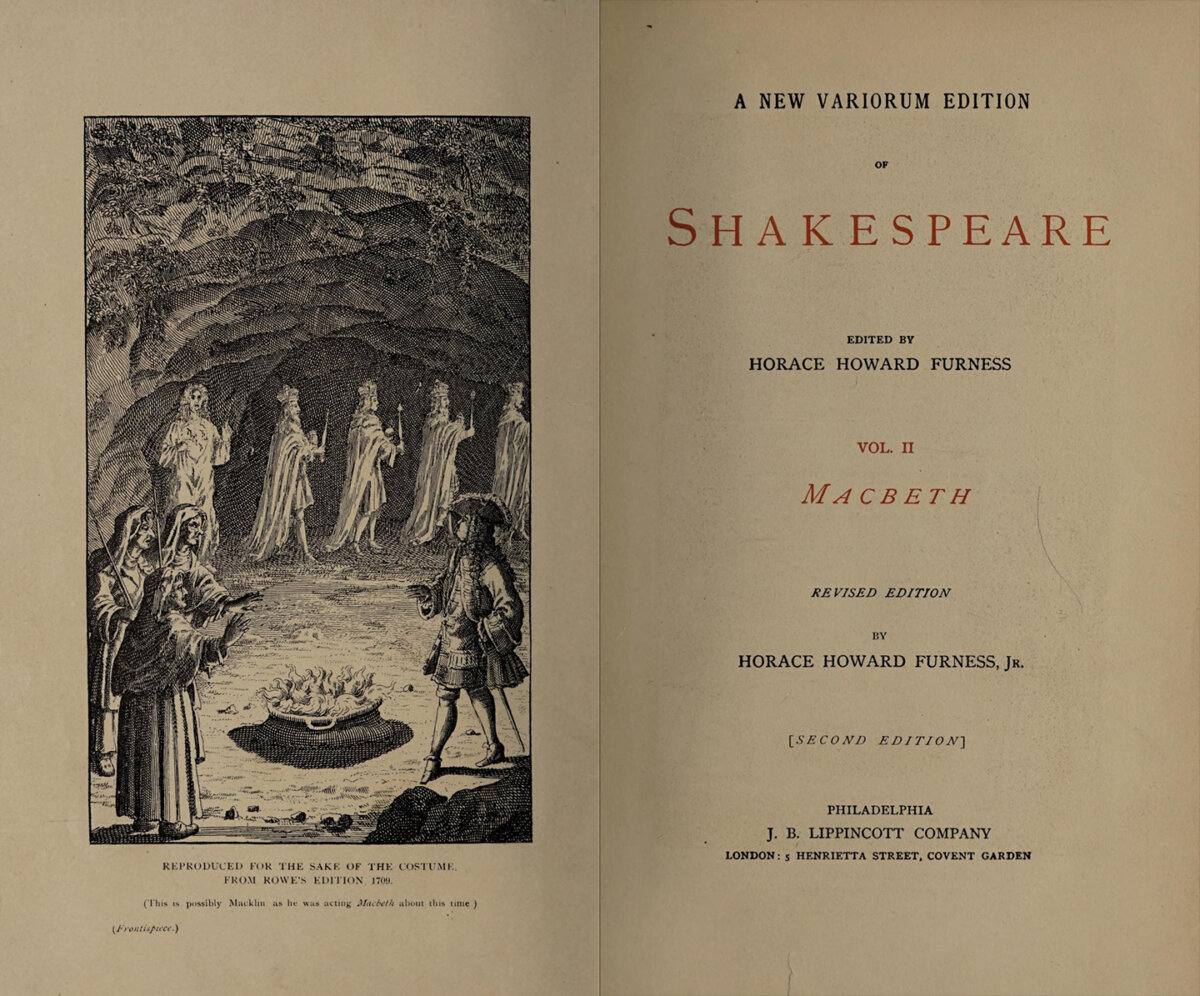
Bell quoted a famous line out of Macbeth, who described life as a tale, “Told by an idiot, full of sound and fury. Signifying nothing.”
“Again, something that seems significant seems meaningful and actually doesn’t have any meaning at all.
“There is plenty in Shakespeare, just on the surface that invites the thought, ‘Well, okay, what did Shakespeare think about language and about the problem of language and not being trapped by language?'”
Details of the symposium can be found here.