Is art the solution to the loneliness pandemic that plagues society in the 24-7 age of digital connectedness?
According to recent data, 17 percent—or one in six—Australians report feeling lonely, just one percent less than during the height of the COVID pandemic when many were actually physically isolated.
The rate of loneliness almost seems to run parallel with the computer age, with rates being fairly similar when comparing the early 2000s but steadily growing as the world becomes digitised and as social media platforms proliferate.
In fact, a 2025 Cambridge University study found the more attached people got to the internet, the more lonely life could feel.
“Loneliness may lead individuals to spend more time on the internet and increase the likelihood of experiencing internet-use disorders,” the study says.
“The widespread use of the internet has been linked to the emergence of specific internet behaviors including gambling, video gaming, buying/shopping, pornography viewing and other sexual behaviors, and social networking among others.”
On an extreme of the scale, experts and politicians are now concerned about the use of over-use of “companion AI bots.”
In light of this tech tsunami, what is the path forward to help humanity back to a place of sociability and compassion?
Learning to See Through Other People’s Perspectives
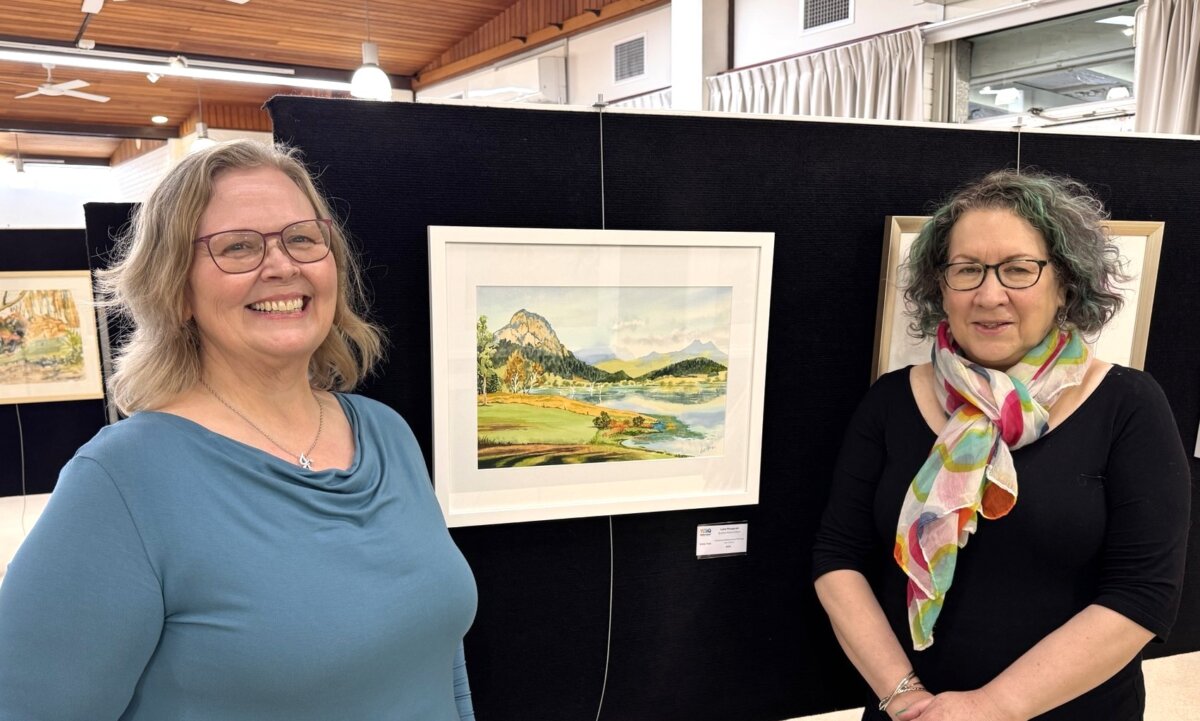
Jacqui Williams, a native of Cleveland, Ohio now living in Brisbane, Australia has spent most of her life working in data systems, programming, AI, and regulation.
After 20 years in the field with roles in government and multinationals like Accenture and Avanade, Williams decided to take a break and focus on the Watercolour Society of Queensland as its new president.
“Honestly, to me, there’s a lot of ways that you can disconnect from your humanity,” Williams told The Epoch Times.
“I think a lot of problems in my field with people that I work with, I know there’s loneliness for a lot of people who work in programming because they’ve got a very digitally centred life, and their perception of themselves is somehow ‘separate’ or ‘elite.'”
In her experience those in her field had difficulties translating their ideas into value for customers due to a lack of communication.
“People can’t speak to each other. They can’t share the ideas that they want,” Williams said.
“Like I worked for government here for a long while, and we worked on a project and there were assumptions made about the clients.
“Because we have things like two monitors and super fast systems, we never conceived that the actual experience of people using the programmes [where they would have only] a 12-inch monitor in an office where 17 people shared a computer.”
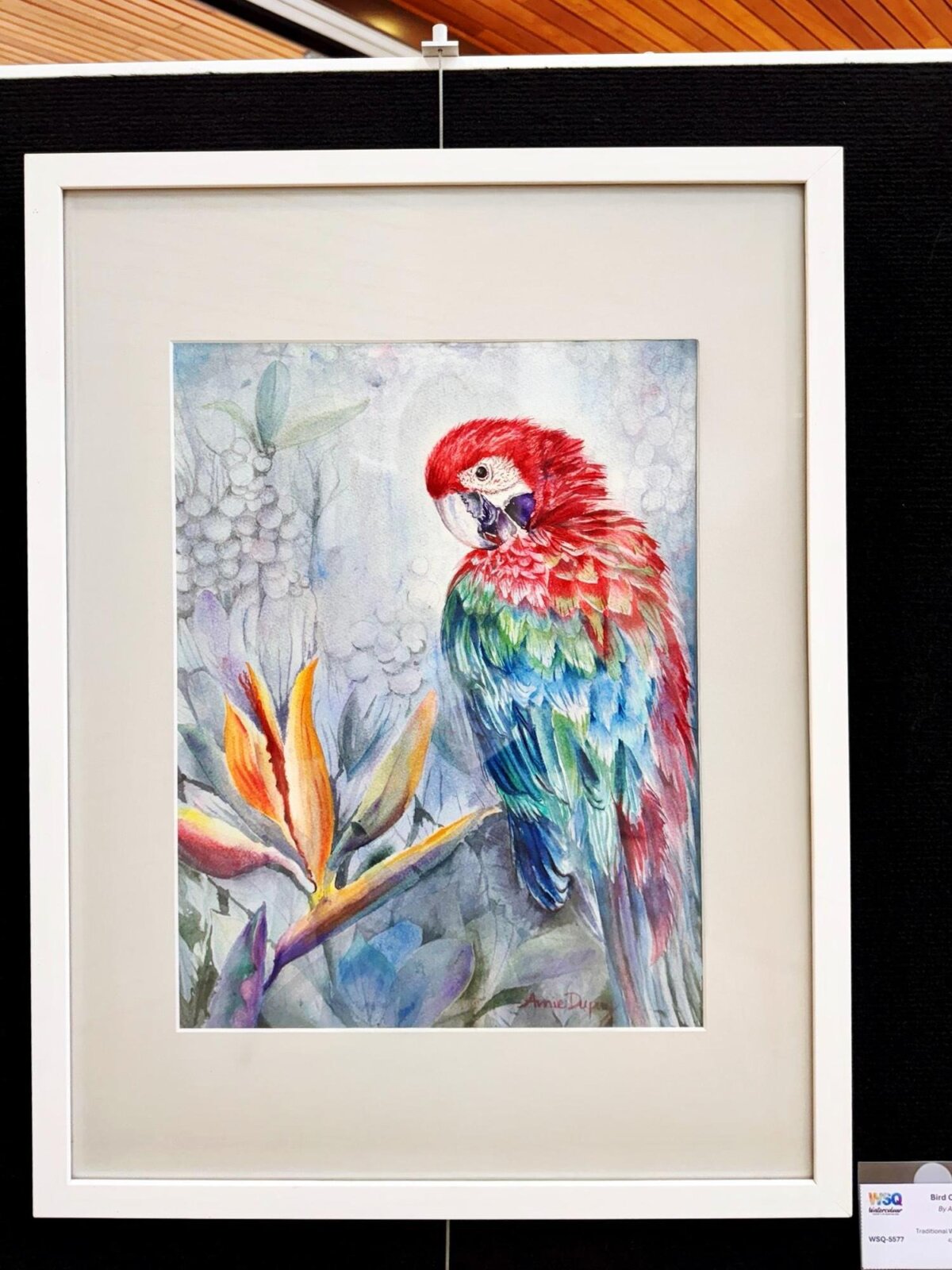
Williams says that experiencing artwork created by another person compels the viewer to see the world through their eyes.
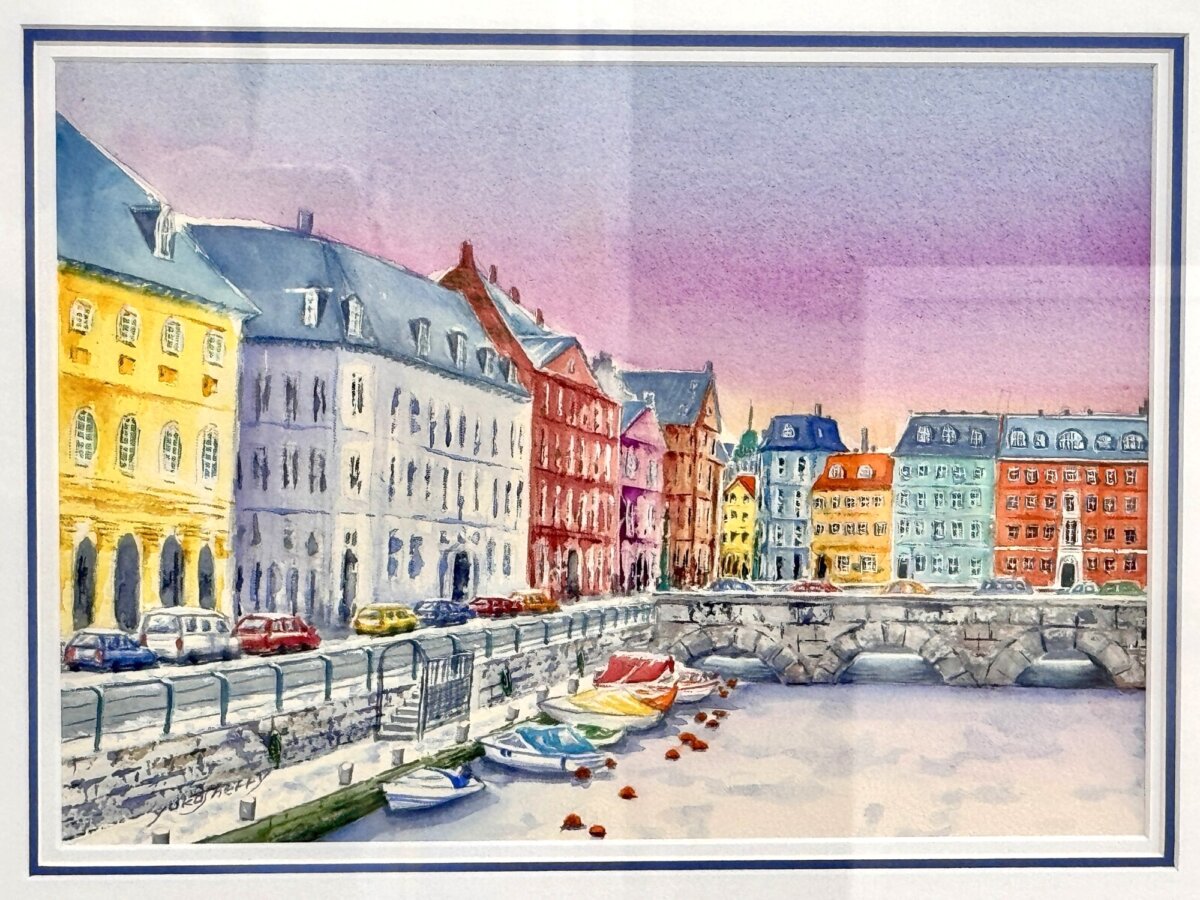
“It brings you back, you are literally forced to see something through another person’s perspective,” she said. “It’s like reading, you know, they always say that reading broadens your perspectives.
“It gives you an opportunity to view the world through the eyes, the mind and the imagination of someone completely different, and you can see the ways that you might be alike or the ways that you’re not alike, but I think that’s an important part of existing as you travel through life, experiencing other people’s stories.”
Her views align with a 2021 study in the UK that found 82 percent of people perceived arts engagement to be linked with social connectedness at least some of the time, making it a powerful tool for public health.
Williams says that her work in her community, rooted in her own positive experiences in a community art centre in Ohio, helps people bond, and share emotional support.
The Way Watercolour Can Change Your Outlook
While Williams says even practicing the art can help foster a more patient and empathetic outlook.
The subtle—and sometimes not so subtle—variations in paint can be a challenge for artists.
“One of the things I love about it is it’s really a collaborative media—you are constantly having to monitor how wet is the paper? How wet is the brush? How much water is in the paint? How much pigment is in the paint? How is the paper going to react to it? How will it absorb too much?” Williams said.
“And when it dries, you’re like, ‘Did I use paint there?’ When you put it down [and it dries], you might think, ‘That’s the most horrendous red that’s ever existed, I’ve just ruined my painting.’
“Or when it dries, you’re like, ‘That’s quite pink.’ It’s really going to need something a little bolder.
“It’s one of the best mediums, where you kind of have to give yourself up to it a bit.”
More information on the group can be found here.