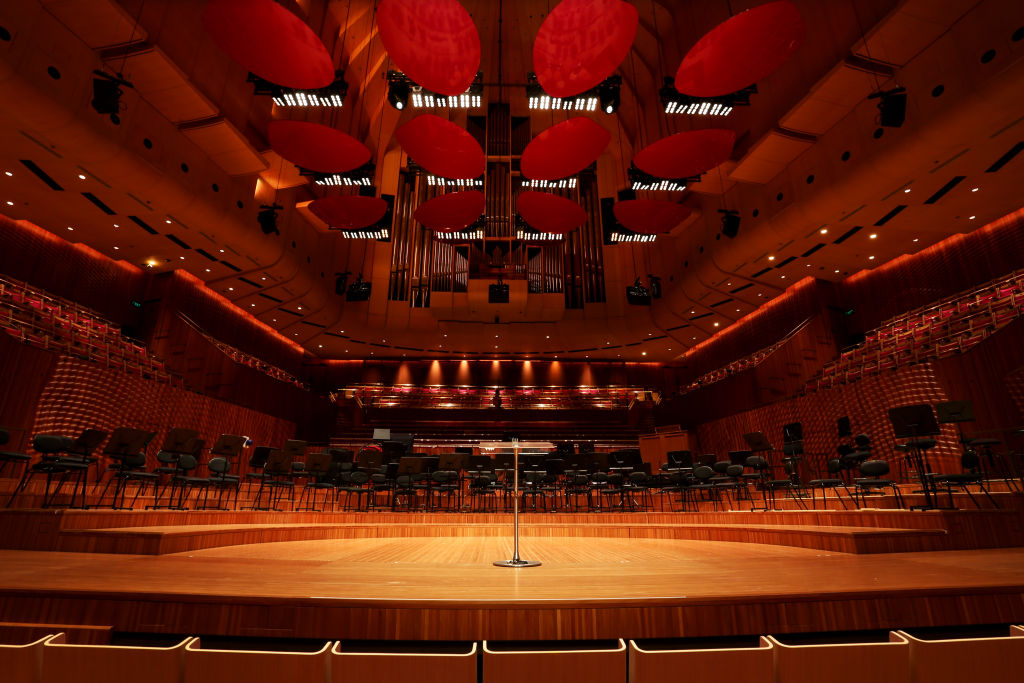
In a sector where most performers turn instinctively to government grants, one young opera singer is choosing the harder road, convinced that true artistic freedom can’t be underwritten by shifting political winds.
Henry Pinder’s newly established Brisbane Lyric Opera (BLO) is a daring venture in a sector struggling to stay afloat.
Yet Pinder remains driven—shaped by the pandemic years and their fallout—by the instability of taxpayer-funded arts models, a desire to give local artists a reliable home, and a conviction that classical works should be free of modern trends or political messaging.
And after running his first successful show on Oct. 31, Pinder has even higher hopes.
Struggling to Find His Place
Pinder, 32, first joined the Vienna Boy’s Choir when he was 11 until his voice broke at the age of 13. In 2020, Pinder had just gotten married and was ready to study a Masters at the Royal Academy of London, but it was the pandemic that dashed this dream all too quickly.
He tried finding alternative work—even labouring—and later enjoyed stints with the Slovak National Theatre in Bratislava, and Opera Australia.
But with a young baby born, Pinder had to find a longer-term path … or forge one.
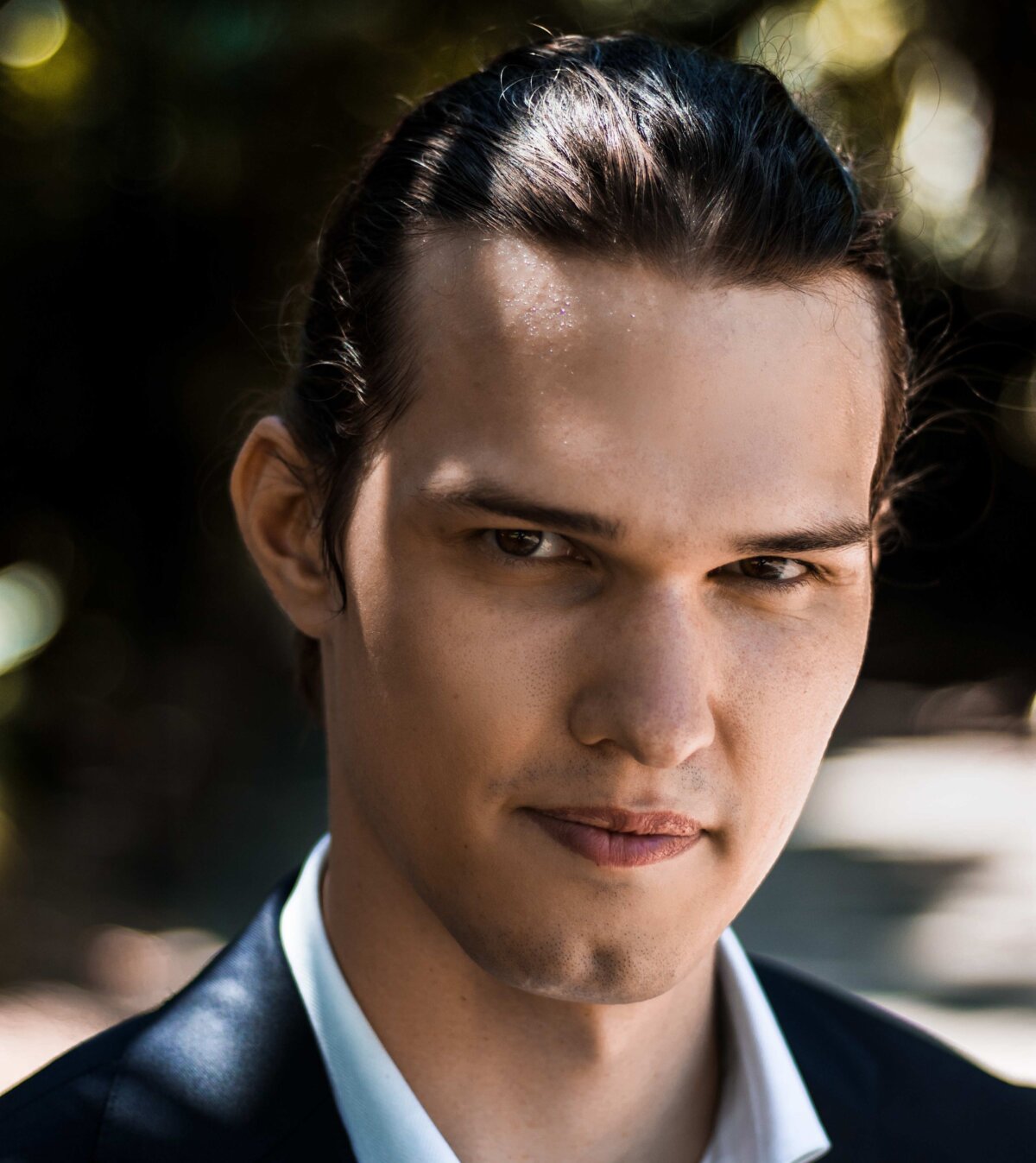
“I came back here and kind of thought, well, ‘What am I going to do now?” he told The Epoch Times.
“I could go back to Opera Australia and try to scrounge work off them, or just teach and forget about performing, which wasn’t very appealing to me. And the thing is, it’s not really viable to be a performing musician in Brisbane, at least a classical musician, because there’s just not enough work,” Pinder said.
Hoping to be Free of Strings
This gradually led to the genesis of the BLO, however, Pinder had to weigh up how to insulate the fledgling company from the problems that have engulfed other performing arts groups.
For example, during the lockdown years, the industry took a massive downturn, not only due to COVID-19 restrictions, but also the drying up of taxpayer-backed funding.
“In March 2020, with the entire country in lockdown, Australia’s arts and cultural sectors ground to a halt. Venues were closed, performances, gigs and exhibitions were cancelled, and hundreds of thousands of Australia’s artists and arts workers had their careers and livelihoods thrown into crisis,” according to the ArtsPay Foundation (pdf).
“Of course, the arts was not the only sector hit hard by COVID. But a combination of years of policy neglect, reductions in Commonwealth government funding, coupled with a lack of access for many arts workers to JobKeeper or JobSeeker, meant the sector was hit harder than many others.”
Pinder said there were also concerns about the conditions attached to government funding.
“They do four-year funding rounds, but then [when] four years is up, you don’t know where your next paycheck is coming from,” he said.
“And the other thing is there’s strings attached to the money we don’t necessarily want to deal with, particularly things to do with Aboriginal outreach.”
In 2023, the Australian government launched its National Cultural Policy (pdf) for the arts, entertainment and cultural sector.
Its first pillar is the “First Nations First” initiative, which calls for the inclusion of Aboriginal stories in the country’s arts scene.
The government likens “First Nations arts and culture” to being the “voice to the people.”
Yet Pinder says he has also been to productions that contain heavy anti-Christian messaging as a way to appeal to supposed modern sensibilities.
“It’s the feedback that I get from patrons that: ‘We don’t want to go to a show and be lectured to about whatever issue,'” he says.
“And you know, sometimes art is political, that’s fine, but present the politics on stage and allow people to make up their own mind about what you’ve presented.”
It’s a point Australian musicologist Peter Tregear is happy to weigh in on.
The University of Melbourne academic says all art is linked to politics, even classical music, but notes the problems emerge when the pendulum swings too far one way.
“I do agree that what fundamentally makes for good or bad art, is a matter above—or at least indifferent to—any overt political messaging it might contain,” he told The Epoch Times.
“In our era of ‘identity politics,’ however, that can also lead to situations where the particular racial, sexual, cultural identity of who is making the artwork can also seem to become a matter of more importance than the quality of the artwork itself.”
Creating a Future
Meanwhile, Pinder’s long term goals are to build a future for the local classical community.
“So it’s really my own frustration on two levels, that Australia punches far above its weight in terms of the calibre of our musicians internationally … you go anywhere and there are Australians, either on stage or backstage doing amazing jobs,” he said.
But the stage is quieter at home.
“I want to be able to offer at least some of those people the opportunity to stay here and then allow Australian audiences to be the beneficiaries of their talents and and education, rather than overseas audiences.”
And to achieve that, Pinder has one more ambitious goal up his sleeve.
“One of my ambitions is to build our own theatre, and the timeline for that is also very ambitious: we want to have it done by the end of the Olympics in 2032,” he says.