An Indigenous group is taking legal action in an attempt to veto plans for the proposed development of a $3.7 billion (US$2.3 billion) 63,000-seat Olympic stadium in Victoria Park, Brisbane.
The inner-city park stretches over a 64-hectare expanse, taking in parts of Spring Hill and Herston.
The location has been earmarked as a prime location for an Olympic hub as Brisbane gears up to host the 2032 games.
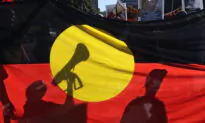
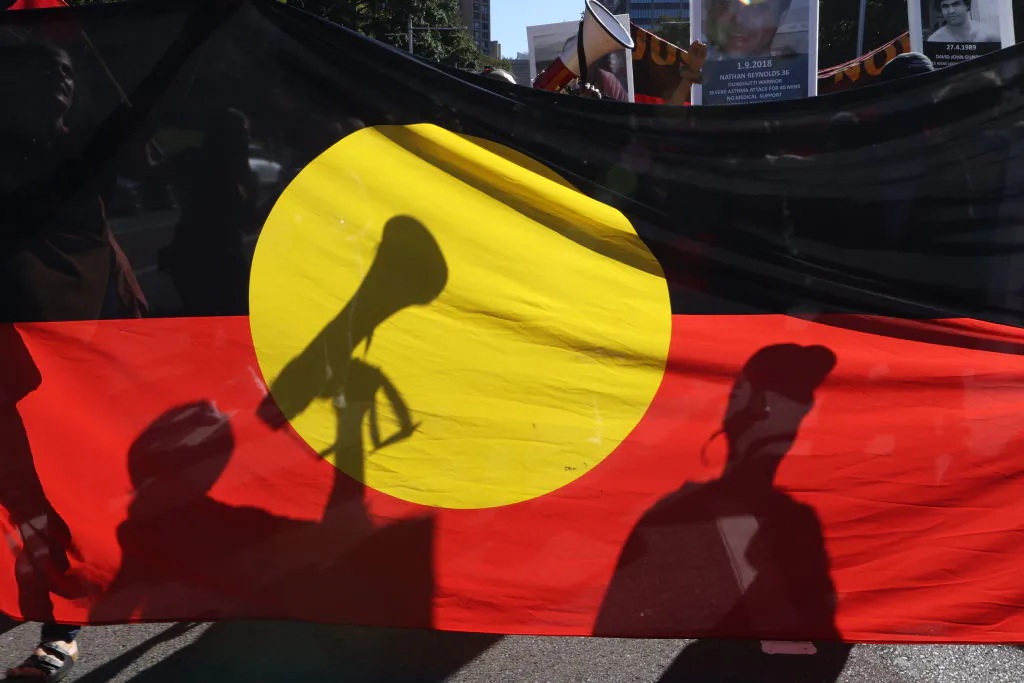
But Indigenous advocates are attempting to hold up the development, with claims the parkland is significant to the Aboriginal community.
Representatives from the Yagara Magandjin Aboriginal Corporation, which has lodged the action, say the planned stadium location will overlap an area of archaeological history, possible Indigenous remains and ancient trees.
Yagara Magandjin Aboriginal Corporation’s Uncle Steven said future opportunities to explore the buried past would not be possible should construction go ahead.
“Once it’s lost, it’s gone forever,” the Yagara elder told AAP.
“This is about trying to protect the cultural heritage for future generations, for our First Nations children, for non-First Nations children—it’s the history of Queensland.”
The Corporation has lodged an application with the federal government hoping the Commonwealth can step in over the top of Queensland’s Liberal National Party (LNP) government.
The LNP’s Planning (Social Impact and Community Benefit) and Other Legislation Amendment Bill 2025 was passed on June 26.
Changes within the bill give the Games Independent Infrastructure and Coordination Authority (GIICA) power to bypass 15 different planning laws, including building, environment, and heritage restrictions. Council regulations can also be overridden if they are deemed to impede regional projects.
A spokesperson told The Epoch Times that the LNP government was delivering generational infrastructure.
“The [Premier David] Crisafulli government’s new laws underpin the delivery of Games infrastructure on time, on budget, and with a clear legacy for communities beyond 2032,” they said.
“The new laws provide a bespoke process that recognises Aboriginal and Torres Strait Islander cultural heritage matters, incorporating engagement and consultation with relevant parties and preparation of a cultural heritage management plan.”
The stadium is expected to be completed by 2030.
 Friends Read Free
Copy
Facebook
Tweet
Friends Read Free
Copy
Facebook
Tweet